Are you planning a trek in the “Soul of Africa”? While the views from the summit of Mount Kilimanjaro are legendary, planning a hiking trip in Tanzania involves more than just packing a pair of boots. From permit fees to choosing the right season, and understanding the unique cultural aspects, this guide covers everything you need to know to move from “searching” to “summiting” your dream Tanzanian peak in 2026.
Tanzania, a land synonymous with epic safaris, offers an equally thrilling world for hikers. Beyond the iconic Big Five, its majestic mountains, lush rainforests, and ancient volcanic landscapes beckon adventurers from across the globe. This guide provides a detailed roadmap to ensure your Tanzanian hiking expedition is safe, memorable, and perfectly planned.
Quick Facts for Your 2026 Trek
| Category | Information |
| Peak Season | June to October (Dry & Clear) |
| Top Peak | Mt. Kilimanjaro ($5,895m$) |
| Best Wildlife Trek | Mt. Meru (Arusha National Park) |
| Most Challenging | Ol Doinyo Lengai (Active Volcano) |
| Visa Requirement | Most nationalities require an e-Visa |
1. Mount Kilimanjaro The Roof of Africa
Tanzania is a premier hiking destination because of its incredible diversity. Depending on your fitness level, time constraints, and desired challenge, you have three world-class mountain options, plus a wealth of other trekking opportunities in the Usambara and Udzungwa Mountains.
Kilimanjaro is the world’s highest free-standing mountain and Africa’s tallest peak. It requires no technical climbing skills but
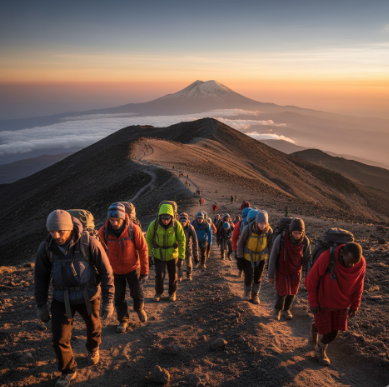
demands significant physical and mental endurance, making it a “walkable” bucket-list challenge for many.
Popular Routes:
Machame Route: Often called the “Whiskey Route,” it’s scenic and challenging, typically taking 6-7 days.
Lemosho Route: Widely considered the most beautiful and best for acclimatization, usually 7-8 days.
Marangu Route: The “Coca-Cola Route,” offering hut accommodation but less effective for acclimatization, typically 5-6 days.
Duration: Typically 6–9 days, depending on the chosen route and your acclimatization schedule.
2. Mount Meru The Acclimatization Gem
Located in the heart of Arusha National Park, Mount Meru is Tanzania’s second-highest peak. This is the perfect 3–4 day trek, highly recommended for acclimatization before Kilimanjaro. Meru offers an incredible opportunity for wildlife spotting (giraffes, zebras, buffalo) at its base, accompanied by an armed ranger for safety. The views of Kilimanjaro at sunrise from Meru’s summit are spectacular.
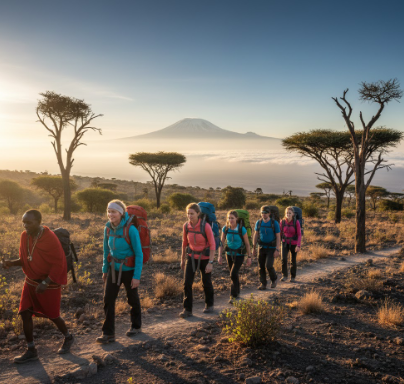
3. Ol Doinyo Lengai : The Mountain of God
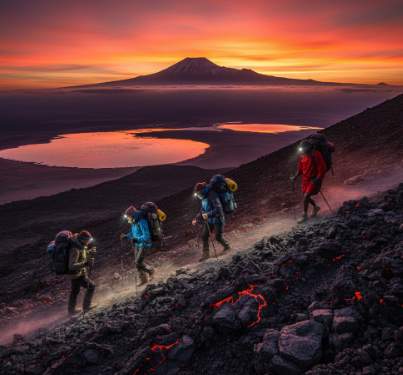
The active volcano, revered by the Maasai as the “Mountain of God,” is a truly unique experience. Located near Lake Natron in the Great Rift Valley, it is extremely steep, gaining $1,600m$ in elevation in just $5km$. This is for experienced hikers seeking a “lava-fueled” adrenaline rush and surreal landscapes. Climbs typically start at midnight to reach the summit for sunrise.
When to Visit: The 2026 Weather Window for Hiking Tanzania
Timing is everything for a successful and enjoyable trek. You definitely don’t want to be on a slippery volcanic slope or a muddy forest trail during the height of the rainy season.
Dry Seasons (Best):
June–October: The long dry season. Ideal for all treks with clear skies and moderate temperatures, but also peak tourist season.
December–March: The short dry season. Generally good weather, especially excellent for Kilimanjaro, with fewer crowds than the June-Oct period.
Wet Seasons (Avoid for major treks):
April–May: The “long rains.” Trails become slippery, muddy, and more challenging. Clouds often obscure the peaks, and wildlife viewing can be difficult.
November: The “short rains.” Lighter and less predictable, some smaller treks are still possible, but major climbs can be hampered.
Cultural Etiquette: Embracing the "Mountain Spirit"
Your porters, guides, and cooks are the heart of your journey. In 2026, sustainable and responsible tourism is more important than ever. Engaging respectfully with your crew and local communities enhances everyone’s experience.
“Pole Pole” (Slowly Slowly): This Swahili phrase will become your mantra on high-altitude treks. Embrace the pace for better acclimatization.
Tipping Etiquette: Learn the local tipping “Kitu Kidogo” (something small) customs. Your operator will provide guidelines, but generally, tips are given to the head guide at the end of the trek, who then distributes them.
Leave No Trace: Ensure everything you carry in, you carry out. Respect wildlife, stay on marked trails, and minimize your environmental impact.
Photography: Always ask for permission before taking photos of local people.
Frequently Asked Questions (FAQ)
Do I need a visa to hike in Tanzania? Yes, most travelers require a tourist visa, which can be applied for online via the official Tanzanian Immigration portal. It’s recommended to apply well in advance of your trip.
Can I hike the Usambara Mountains without a guide? While some small trails are accessible, a local guide is highly recommended to navigate the “hidden gems” and vibrant villages safely. They also provide invaluable cultural insights and support the local economy.
How fit do I need to be for Kilimanjaro? You don’t need to be an athlete, but good cardiovascular fitness and mental resilience are key. Regular long walks, jogging, and strength training in the months leading up to your trek are highly beneficial.
Plan Your 2026 Adventure: Your Tanzanian Summit Awaits!
Ready to stand on top of Africa, trek through ancient rainforests, or witness the otherworldly beauty of an active volcano? Whether it’s the majestic Kilimanjaro, the wildlife-rich slopes of Meru, or the challenging ascent of Ol Doinyo Lengai, your adventure starts with detailed planning and the first step.
Contact us today at +255 754 967 544 for personalised hiking and safari packages.


