Exploring the Historical Wonders of Songo Mnara Island, Kilwa
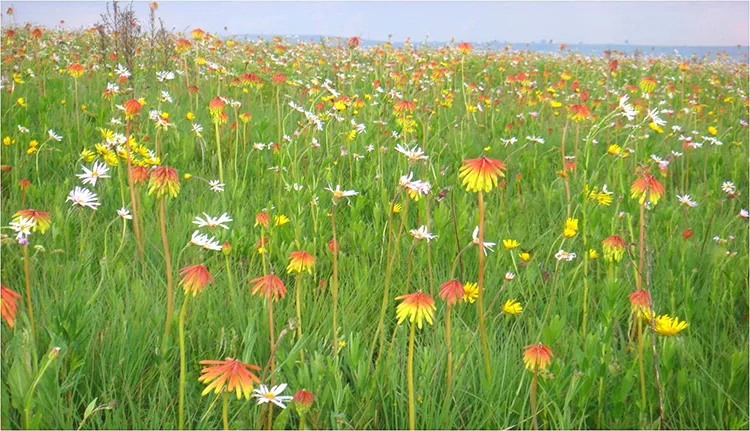
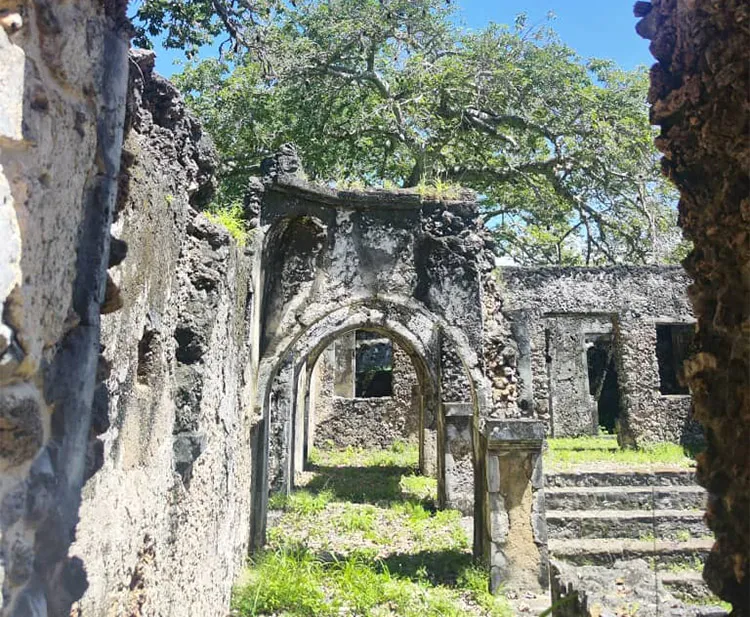
Nestled along the Tanzanian coast, Songo Mnara Island is a hidden gem of historical intrigue and natural beauty. Once a flourishing Swahili settlement, this UNESCO World Heritage Site offers a glimpse into a rich past through its ancient ruins and architectural wonders. Explore this captivating island and uncover the secrets of its storied history amidst breathtaking surroundings. Historical Significance and Reasons to Explore Songo Mnara Island holds immense historical significance as part of the Swahili Coast, which was a melting pot of cultures and trade. The ruins of Songo Mnara, along with those of Kilwa Kisiwani, serve as testament to the vibrant exchange of goods and ideas that occurred in this region from the 13th to the 16th centuries. This period marked the height of the island’s prosperity, driven by its strategic location along vital trade routes connecting Africa with Arabia, India, and China. The island’s archaeological remains reveal remarkable architectural achievements, including the Great Mosque, which showcases the intricate coral stonework typical of Swahili architecture. The palace Husuni Kubwa, with its grand scale and design, further reflects the sophisticated societal structure that once thrived here. These historical sites not only highlight the rich cultural tapestry woven from African and Arab influences but also illustrate the importance of trade in shaping the region’s past. Exploring Songo Mnara offers visitors a unique opportunity to walk through history, witnessing the remnants of an ancient civilization that played a pivotal role in the economic and cultural exchanges of the Indian Ocean world. The combination of breathtaking landscapes, rich history, and archaeological significance makes Songo Mnara Island a compelling destination for history enthusiasts, travelers, and anyone eager to learn about the dynamic heritage of East Africa. Architectural Marvels Songo Mnara Island is a treasure trove of architectural marvels that reflect the ingenuity and artistry of the Swahili civilization. The island is adorned with several significant ruins that provide insight into the social, economic, and religious life of its former inhabitants. One of the most striking structures is the Great Mosque, renowned for its impressive coral stone construction and beautifully designed arches. This mosque stands as a testament to the architectural techniques of the Swahili people, who skillfully utilized local materials to create durable and aesthetically pleasing structures. The mosque’s design also highlights Islamic influences, showcasing the cultural exchange that occurred in the region. Another notable site is Husuni Kubwa, the largest known structure on the island, believed to be a royal palace or a significant administrative building. Its expansive layout and strategic positioning suggest it was a focal point of political power and community life. The intricate layout of Husuni Kubwa, with its various rooms and communal areas, hints at the sophisticated lifestyle of the island’s elite. In addition to these grand structures, the island features numerous smaller mosques, public squares, and residential buildings, all constructed with the same attention to detail and respect for local materials. The ruins of the Gereza, a stone fortress originally built by the Portuguese, add another layer of historical significance, illustrating the complexities of colonial interactions in the area. The architectural wonders of Songo Mnara not only showcase the skilled craftsmanship of the Swahili people but also serve as a visual narrative of the island’s vibrant history. As visitors explore these ancient ruins, they are transported back in time, gaining a deeper appreciation for the artistic and cultural legacy that continues to resonate in this captivating landscape. Natural Beauty and Environment Songo Mnara Island is not only rich in history but also boasts breathtaking natural beauty that enchants visitors upon arrival. Surrounded by the turquoise waters of the Indian Ocean, the island offers stunning vistas that invite exploration and relaxation. The pristine beaches, with their soft white sand, serve as a perfect backdrop for unwinding and soaking up the sun. The island’s coastal environment is characterized by lush vegetation, including palm trees, indigenous shrubs, and vibrant flowers. This rich biodiversity provides a habitat for various bird species and marine life, making it an ideal destination for nature lovers and birdwatchers. As you stroll along the beaches, you may catch sight of colorful birds flitting among the trees or observe playful dolphins in the azure waters. The coral reefs surrounding Songo Mnara are another highlight of the island’s natural beauty. These underwater ecosystems are teeming with life, from vibrant coral formations to a variety of tropical fish. Snorkeling or diving in these waters offers an exhilarating experience, allowing visitors to discover the rich marine biodiversity that thrives just offshore. Furthermore, the tranquility found on Songo Mnara enhances its allure. Unlike some more tourist-heavy destinations, this secluded island provides a serene escape where one can connect with nature and reflect on the historical significance that permeates the landscape. Whether it’s enjoying a sunset over the ocean or exploring the lush interior, Songo Mnara’s natural beauty is an integral part of its charm, making it a must-visit for those seeking both adventure and tranquility. Visiting Songo Mnara Embarking on a journey to Songo Mnara Island promises an unforgettable experience rich in history and natural beauty. Accessible by boat from Kilwa Kisiwani or Kilwa Masoko, the island is well-connected yet maintains a sense of seclusion, offering travelers a unique escape. Getting There: To reach Songo Mnara, visitors typically first fly into Dar es Salaam and then travel south to Kilwa, where boat transfers are available. Various local operators offer tours and transportation services, making it convenient to plan your visit. Best Time to Visit: The ideal time to explore Songo Mnara is during the dry seasons, from June to October and in January. During these months, the weather is generally pleasant, with sunny days perfect for outdoor activities and archaeological explorations. Avoiding the rainy season will ensure a more comfortable experience while exploring the island’s ruins and natural surroundings. What to Expect: Upon arriving on the island, visitors are greeted by a calm atmosphere and picturesque landscapes. Guided tours can enhance your experience, allowing you to gain in-depth insights into the