Our Blog

Our Blog

Exploring the Historical Wonders of Songo Mnara Island, Kilwa

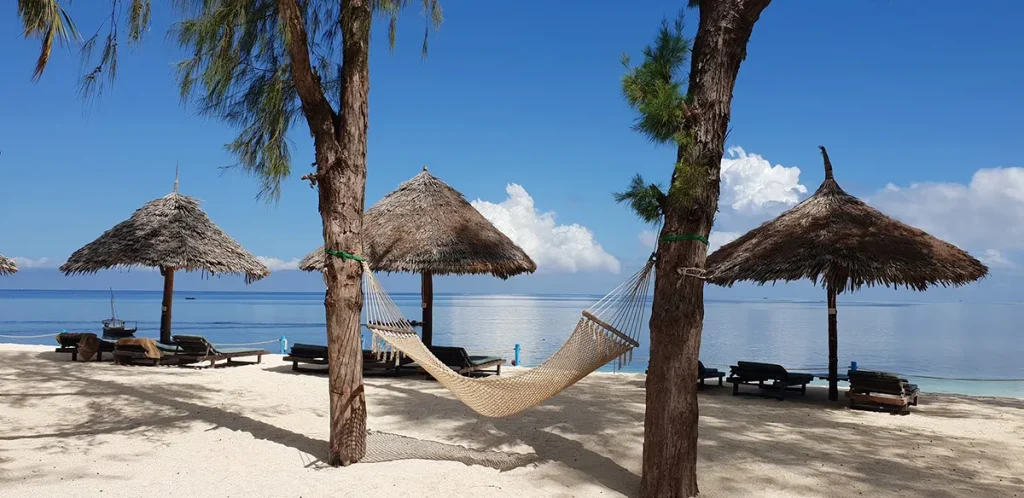
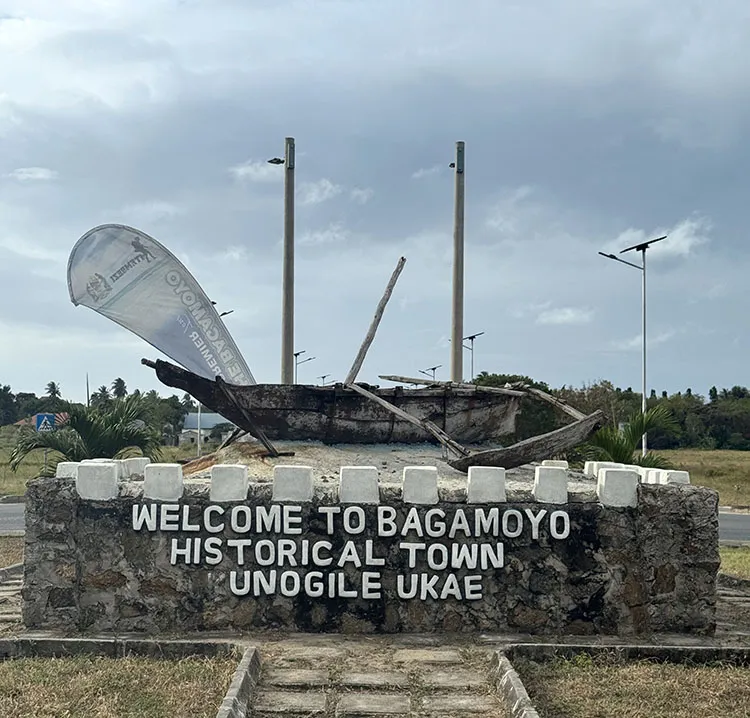
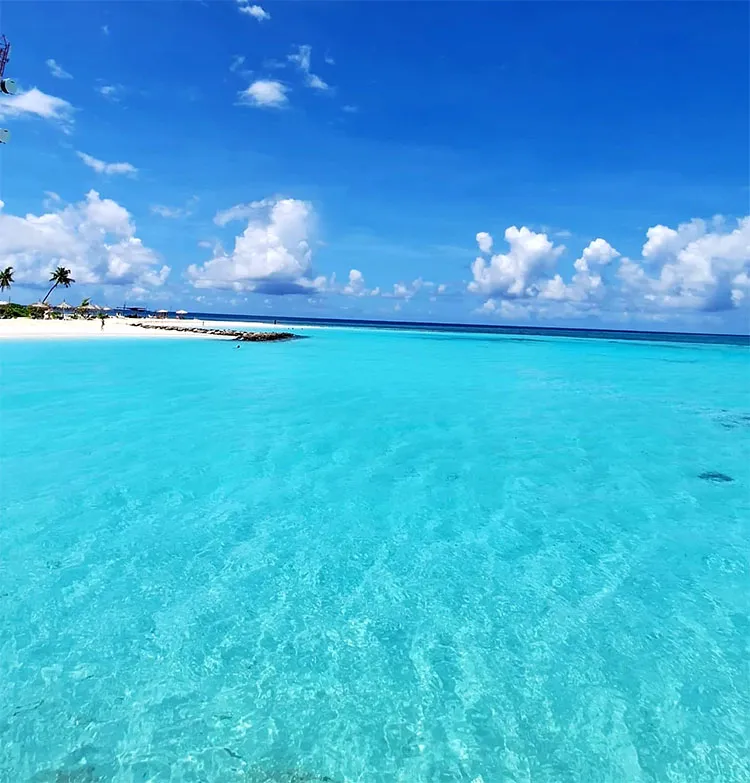
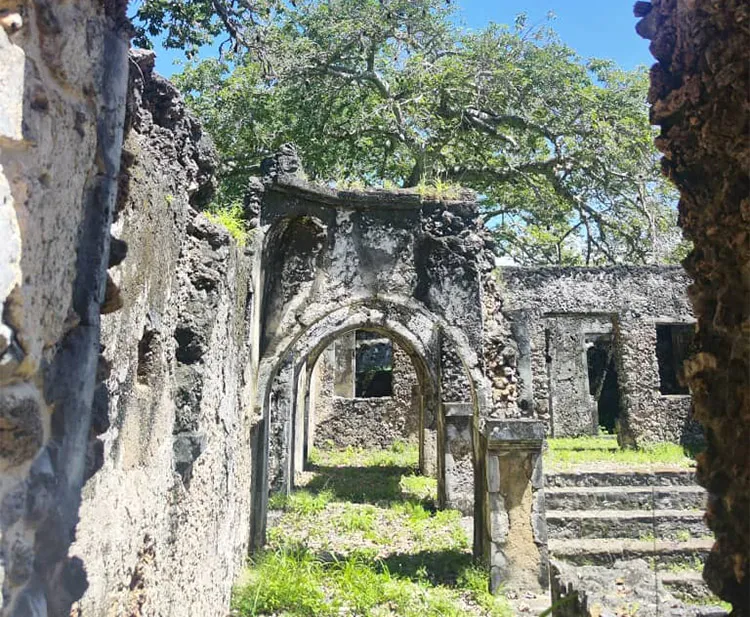
Nestled along the Tanzanian coast, Songo Mnara Island is a hidden gem of historical intrigue and natural beauty. Once a flourishing Swahili settlement, this UNESCO World Heritage Site offers a glimpse into a rich past through its ancient ruins and architectural wonders. Explore this captivating island and uncover the secrets of its storied history amidst breathtaking surroundings. Historical Significance and Reasons to Explore Songo Mnara Island holds immense historical significance as part of the Swahili Coast, which was a melting pot of cultures and trade. The ruins of Songo Mnara, along with those of Kilwa Kisiwani, serve as testament to the vibrant exchange of goods and ideas that occurred in this region from the 13th to the 16th centuries. This period marked the height of the island’s prosperity, driven by its strategic location along vital trade routes connecting Africa with Arabia, India, and China. The island’s archaeological remains reveal remarkable architectural achievements, including the Great Mosque, which showcases the intricate coral stonework typical of Swahili architecture. The palace Husuni Kubwa, with its grand scale and design, further reflects the sophisticated societal structure that once thrived here. These historical sites not only highlight the rich cultural tapestry woven from African and Arab influences but also illustrate the importance of trade in shaping the region’s past. Exploring Songo Mnara offers visitors a unique opportunity to walk through history, witnessing the remnants of an ancient civilization that played a pivotal role in the economic and cultural exchanges of the Indian Ocean world. The combination of breathtaking landscapes, rich history, and archaeological significance makes Songo Mnara Island a compelling destination for history enthusiasts, travelers, and anyone eager to learn about the dynamic heritage of East Africa. Architectural Marvels Songo Mnara Island is a treasure trove of architectural marvels that reflect the ingenuity and artistry of the Swahili civilization. The island is adorned with several significant ruins that provide insight into the social, economic, and religious life of its former inhabitants. One of the most striking structures is the Great Mosque, renowned for its impressive coral stone construction and beautifully designed arches. This mosque stands as a testament to the architectural techniques of the Swahili people, who skillfully utilized local materials to create durable and aesthetically pleasing structures. The mosque’s design also highlights Islamic influences, showcasing the cultural exchange that occurred in the region. Another notable site is Husuni Kubwa, the largest known structure on the island, believed to be a royal palace or a significant administrative building. Its expansive layout and strategic positioning suggest it was a focal point of political power and community life. The intricate layout of Husuni Kubwa, with its various rooms and communal areas, hints at the sophisticated lifestyle of the island’s elite. In addition to these grand structures, the island features numerous smaller mosques, public squares, and residential buildings, all constructed with the same attention to detail and respect for local materials. The ruins of the Gereza, a stone fortress originally built by the Portuguese, add another layer of historical significance, illustrating the complexities of colonial interactions in the area. The architectural wonders of Songo Mnara not only showcase the skilled craftsmanship of the Swahili people but also serve as a visual narrative of the island’s vibrant history. As visitors explore these ancient ruins, they are transported back in time, gaining a deeper appreciation for the artistic and cultural legacy that continues to resonate in this captivating landscape. Natural Beauty and Environment Songo Mnara Island is not only rich in history but also boasts breathtaking natural beauty that enchants visitors upon arrival. Surrounded by the turquoise waters of the Indian Ocean, the island offers stunning vistas that invite exploration and relaxation. The pristine beaches, with their soft white sand, serve as a perfect backdrop for unwinding and soaking up the sun. The island’s coastal environment is characterized by lush vegetation, including palm trees, indigenous shrubs, and vibrant flowers. This rich biodiversity provides a habitat for various bird species and marine life, making it an ideal destination for nature lovers and birdwatchers. As you stroll along the beaches, you may catch sight of colorful birds flitting among the trees or observe playful dolphins in the azure waters. The coral reefs surrounding Songo Mnara are another highlight of the island’s natural beauty. These underwater ecosystems are teeming with life, from vibrant coral formations to a variety of tropical fish. Snorkeling or diving in these waters offers an exhilarating experience, allowing visitors to discover the rich marine biodiversity that thrives just offshore. Furthermore, the tranquility found on Songo Mnara enhances its allure. Unlike some more tourist-heavy destinations, this secluded island provides a serene escape where one can connect with nature and reflect on the historical significance that permeates the landscape. Whether it’s enjoying a sunset over the ocean or exploring the lush interior, Songo Mnara’s natural beauty is an integral part of its charm, making it a must-visit for those seeking both adventure and tranquility. Visiting Songo Mnara Embarking on a journey to Songo Mnara Island promises an unforgettable experience rich in history and natural beauty. Accessible by boat from Kilwa Kisiwani or Kilwa Masoko, the island is well-connected yet maintains a sense of seclusion, offering travelers a unique escape. Getting There: To reach Songo Mnara, visitors typically first fly into Dar es Salaam and then travel south to Kilwa, where boat transfers are available. Various local operators offer tours and transportation services, making it convenient to plan your visit. Best Time to Visit: The ideal time to explore Songo Mnara is during the dry seasons, from June to October and in January. During these months, the weather is generally pleasant, with sunny days perfect for outdoor activities and archaeological explorations. Avoiding the rainy season will ensure a more comfortable experience while exploring the island’s ruins and natural surroundings. What to Expect: Upon arriving on the island, visitors are greeted by a calm atmosphere and picturesque landscapes. Guided tours can enhance your experience, allowing you to gain in-depth insights into the

Our Blog

Plan a Weekend Trip to a Nearby National or State Park

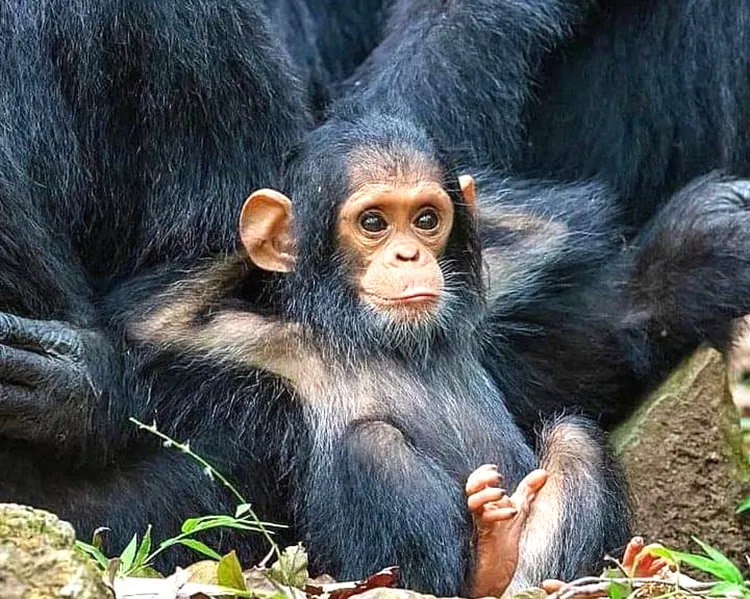
Are you searching for the perfect “weekend trip near me” in Tanzania? You don’t need a 14-day expedition or a massive budget to experience the raw beauty of East Africa. Sometimes, the most rewarding adventures are the ones that only take $48$ hours. Tanzania is rich in accessible natural wonders. From the misty forests near Dar es Salaam to the volcanic landscapes surrounding Arusha and the island sanctuaries of Lake Victoria, a world-class escape is closer than you think. This 2026 guide is your roadmap to planning the ultimate weekend getaway to a nearby park. Vibe Top Park Recommendation Best Starting Point Travel Time (approx.) Pure Adventure Mount Meru (Arusha National Park) Arusha / Moshi $10$ Hour Nature & Hiking Pugu Hills Forest Reserve Dar es Salaam $10$ Hour Wildlife Safari Mikumi National Park Dar es Salaam / Morogoro $40$ Hours (via SGR) Beach & Bush Saadani National Park Dar es Salaam / Tanga $40$ Hours Island Escape Rubondo Island National Park Mwanza $20$ Hours (Boat/Flight) 1. Arusha National Park: The “Instant Safari” near Arusha If you are based in Arusha or Moshi, you have a world-class wilderness right in your backyard. This park is the ultimate 48-hour destination because of its diversity. You get a volcanic mountain, soda lakes full of flamingos, and open plains all within an hour’s drive. What to Do: A walking safari is mandatory here. Accompanied by an armed ranger, you can walk among giraffes, buffalo, and zebras. Highlight: A canoe trip on the Momella Lakes to see hippos and colorful water birds up close. Accommodation: Stay in one of the park’s rest houses or luxury lodges just outside the gate. 2. Pugu Hills Forest Reserve: The Hiking Escape near Dar es Salaam For Dar residents, Pugu Hills is the easiest way to escape the city’s heat and noise. This is one of the world’s oldest forests and offers fantastic hiking trails. What to Do: Hike to the famous “Bat Caves,” go birdwatching (the forest is a biodiversity hotspot), or try canoeing on the small lake. Pro-Tip: Pugu Hills is an excellent place for forest bathing—a relaxed way to de-stress. Accessibility: It’s roughly $35km$ from the city center, making it a perfect Friday evening to Sunday afternoon trip. 3. Saadani National Park: Where the Bush Meets the Beach Saadani is truly unique. It is the only place in East Africa where the “Bush meets the Beach.” You can literalmente spend the morning looking for elephants and the afternoon snorkeling in the turquoise Indian Ocean. What to Do: Go on a boat safari on the Wami River to see hippos and crocodiles. The birdlife here is spectacular. Wildlife: While less dense than the Serengeti, you have good chances of spotting elephants, giraffes, buffalo, and various antelope species. Why it ranks: Saadani is the perfect answer for anyone searching for a “coastal safari near Dar.” 4. Mikumi National Park: The Trending SGR Safari from Dar Mikumi is the fourth-largest park in Tanzania and the most accessible “Big Five” experience for those in the South. In 2026, it is trending high due to the new infrastructure. The 2026 Game Changer: With the new SGR Electric Train service, you can now travel from Dar es Salaam to Morogoro in a fraction of the time, making a full weekend safari smoother than ever. Highlight: The Mkata Floodplain (often compared to a mini-Serengeti) guarantees excellent wildlife viewing, especially during the dry season (June–October). Wildlife: High population of lions, elephants, wild dogs, and eland (Africa’s largest antelope). View Our 2026 Weekend Packages and Routes → 5. Rubondo Island National Park: The Lake Victoria Sanctuary For those near Mwanza, Rubondo Island offers a completely different ecosystem. Located in the southwest of Lake Victoria, it’s Africa’s largest island national park. Unique Feature: Go Chimpanzee trekking in the dense forest. This habituation experience is thrilling. What Else: Rubondo is also a paradise for sports fishing (Nile Perch) and birdwatchers (especially for African Fish Eagles). Travel Tip: You need to plan this one a little more carefully, coordinating the boat transfer from Kasenda or a short flight. How to Plan Your Perfect Weekend Park Trip Transport is Key: Decide if you will drive, take the bus, or (in 2026) use the SGR train to get to your nearby park. Guide is Mandatory: For most of these parks, especially for walking safaris, a local, licensed guide is legally required and essential for safety and spotting wildlife. Respect Local Communities: Be mindful of local customs, especially when passing through villages on the park borders. Gear Up: Even for a weekend, don’t forget the essentials: good shoes, a hat, sunscreen, insect repellent, and a reusable water bottle. View Our 2026 Weekend Park Packages →

Our Blog

The Perfect Weekend Getaway

The Perfect Weekend Getaway: Discover Saadani National Park in 2–3 Days from Dar es Salaam If you are looking to trade the city’s sweltering heat and non-stop hustle for something more serene, there is a wild sanctuary waiting just a few hours away. Saadani National Park is the only place in East Africa where the bush meets the beach, offering a rare landscape where elephants roam the shoreline and lions prowl the coastal thickets. It is the ultimate destination for those who want a safari experience without the long-haul travel of the Northern Circuit. At Kanuth Adventures, we believe that a weekend is all you need to reset and reconnect with nature. Whether you have just 48 hours to spare or a full long weekend, Saadani provides a unique mix of savannah, river, and ocean adventures that you won’t find anywhere else in Tanzania. Why Saadani is the Ultimate Weekend Fix Saadani is remarkably accessible from Dar es Salaam, taking roughly four hours by road via Bagamoyo. This proximity makes it the most convenient national park for city dwellers and visitors alike. Instead of spending your entire weekend in transit, you can be at the park gates by lunchtime, leaving you with plenty of time for adventure. It is the perfect “recharge” trip for those who want to swap traffic jams for giraffe crossings without needing to book a week of leave. What to Expect on Your Saadani Adventure The magic of this park lies in its diversity. One moment you are in a 4×4 tracking wildlife through the acacia woodlands, and the next you are on a boat navigating the Wami River to see pods of hippos and massive crocodiles sunning themselves on the banks. Expect a quieter, more intimate safari experience compared to the busier parks in the north. While you may spot lions, leopards, and elephants, the park is also home to the rare Roosevelt Sable Antelope and serves as a vital nesting site for green turtles. Birdwatchers will be in paradise as the park hosts over 400 species; you can expect to see the dazzling Malachite Kingfisher and African Fish Eagles along the river, while Lesser Crested Terns and Greater Flamingos frequent the shoreline. The coastal breeze keeps the heat manageable, and the sound of the Indian Ocean waves provides a constant, relaxing backdrop to your wildlife sightings. Best Time to Visit To make the most of your weekend escape, timing is key. The best time for wildlife viewing is during the dry season from June to October when animals congregate around water sources. If you are a bird enthusiast or prefer lush green landscapes, the short rainy season from November to February is spectacular, though some tracks can be muddy. We generally recommend avoiding the peak of the long rains in April and May, as many roads within the park become impassable, making it harder to reach the best game-viewing spots. For those interested in marine life, the green turtle nesting season peaks between July and November. If you time your trip during low tide, you can also experience the Mafui Sandbank, a pristine white island that emerges from the sea for just a few hours each day. Choose Your Adventure We have designed two specific packages to help you make the most of your escape. Each itinerary is crafted to ensure you see the best of the park’s wildlife and coastal beauty. The Quick 2 Days / 1 Night Saadani Getaway This option is perfect for those with a tight schedule who still want a taste of the wild. It includes a focused game drive and the famous Wami River boat safari. Book this tour https://www.kanuthadventures.com/2-day-safari-saadani-park/  The Ultimate 3 Days / 2 Nights Saadani Experience For a more relaxed pace, our three-day package allows for extra game drives, a walking safari to see the Colobus monkeys in the Zaraninge Forest, and plenty of time to lounge by the ocean. Book this tour https://www.kanuthadventures.com/3-day-safari-adventure-at-saadani-national-park/ Contact us at info@kanuthadventures.com or reach us via call or WhatsApp at +255 754 967 544 to finalize your booking today.

Weekend Getaways
Our Blog

10 Best Weekend Getaways Near Me

Are you searching for a “weekend getaway near me” but don’t know where to start? Tanzania is shifting towards local “micro-adventures.” You no longer need a 2-week safari to experience the wild. Whether you want a cool mountain breeze, a historical coastal stroll, or a dip in a turquoise oasis, these 10 spots are perfect for a 48-hour escape. Destination Best For Travel Time (from nearest city) Pugu Hills Hiking & Nature 1 Hour (from Dar) Chemka Springs Relaxation 1.5 Hours (from Arusha/Moshi) Saadani NP Bush & Beach 4 Hours (from Dar) Rubondo Island Chimp Trekking 2 Hours (from Mwanza) View All 2026 Weekend Trip Packages → 1. Pugu Hills Forest Reserve (Dar es Salaam) The closest nature escape for Dar residents. It’s part of one of the oldest forests in the world. Activities: Hiking to the “Bat Caves,” canoeing on the lake, and birdwatching. Why it ranks: Perfect for those seeking a “day trip near me” without the long drive. 2. Saadani National Park (Coast/Dar) The only place in East Africa where the “Bush meets the Beach.” You can literally see elephants roaming near the Indian Ocean. Highlight: A boat safari on the Wami River to see hippos and crocodiles. Travel Tip: It’s roughly a 4-hour drive from Dar es Salaam, making it the ultimate Friday-to-Sunday safari. 3. Chemka (Kikuletwa) Hot Springs (Arusha/Moshi) A literal oasis in the middle of a semi-arid landscape. The water is crystal clear, turquoise, and naturally warm. Activities: Swimming, swinging from rope jumps, and picnicking under giant fig trees. SEO Keyword: “Best swimming spots near Arusha.” 4. Bagamoyo Stone Town (Dar es Salaam) A UNESCO-candidate site rich in Swahili culture and German colonial history. Must See: The Kaole Ruins and the Old Slave Market. Vibe: Relaxed, cultural, and educational. 5. Materuni Waterfalls & Coffee Tour (Moshi/Arusha) Located on the foothills of Mt. Kilimanjaro ($5,895m$). Experience: Hike to a $70m$ waterfall followed by a traditional “Chagga” coffee-making ceremony. Why it’s popular: It’s a great way to experience the Kilimanjaro atmosphere without the high climbing fees. 6. Rubondo Island National Park (Mwanza) Africa’s largest island national park, located in Lake Victoria. Unique Feature: You can go Chimpanzee trekking and enjoy world-class Tilapia fishing. Travel: Accessible by boat or short flight from Mwanza. 7. Lushoto & Irente Viewpoint (Tanga/Arusha) The “Switzerland of Tanzania.” Lushoto offers a cool climate that is a massive relief from the coastal heat. Highlight: The hike to Irente Viewpoint for a 1,000m drop view over the Maasai Steppe. Food: Famous for local artisan cheese, jam, and organic honey. 8. Mikumi National Park (Dar es Salaam) The most accessible “Big Five” safari for people in the South. 2026 Update: With the new SGR Electric Train, travel time from Dar is being slashed, making it the #1 trending weekend safari. Wildlife: High chances of seeing lions, giraffes, and large elephant herds. How to Plan Your Weekend Trip Check the “SGR” Schedule: If traveling from Dar to Morogoro or Mikumi, the train is faster than driving. Book Local Guides: For spots like Lushoto or Pugu, a local guide is essential for finding the hidden trails. Pack Light: You only have 48 hours—don’t overpack!

Our Blog

Explore the Serengeti Feathered Wonders: A Comprehensive Bird Checklist

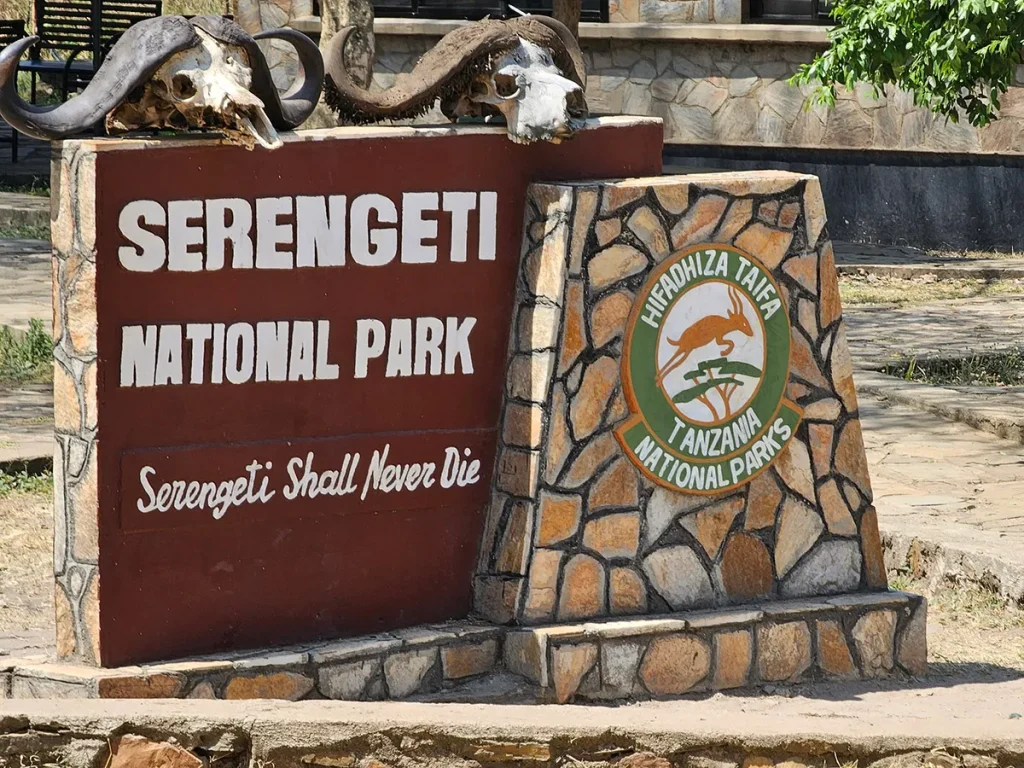
Why the Serengeti Is a World-Class Birding Destination When most travellers think of Serengeti National Park, their minds conjure images of lions on the hunt or the dramatic spectacle of the Great Migration. While the Serengeti indeed hosts the largest land animal migration on Earth, this vast ecosystem is also one of Africa’s most rewarding destinations for birdwatchers. Home to over 500 recorded bird species, the Serengeti offers diverse habitats and year-round accessibility, making it a true birder’s paradise. Although birdwatching is excellent year-round, the months from September to April are particularly productive. During this period, migratory species arrive from Europe and Asia, resident birds display their breeding plumage, and seasonal water sources attract a variety of wetland species. With binoculars and a camera in hand, travellers can explore a wide range of birds. Here’s a detailed bird checklist to guide your Serengeti adventure. Iconic Serengeti Birds to Look Out For Kori Bustard and Sandgrouse The Kori Bustard, the world’s heaviest flying bird, is a true icon of the Serengeti. Males can weigh up to 18 kilograms and are most often seen walking slowly through open grasslands, showcasing their mottled brown plumage. Sandgrouse, perfectly adapted to arid conditions, include chestnut-bellied, yellow-throated, and black-faced species. They are fast fliers and often arrive at waterholes at dawn, creating one of the park’s most memorable sights. Pigeons, Doves, and Guinea Fowl Doves are a familiar and melodic presence, with species like rock pigeon, speckled pigeon, dusky turtle-dove, laughing dove, emerald-spotted wood-dove, tambourine dove, Namaqua dove, and African green pigeon frequently observed around camps, woodlands, and riverine areas. Guinea fowl add a splash of vibrancy to the savannah. Helmeted guinea fowl are common and noisy, with speckled grey bodies and bright blue heads, while crested guinea fowl with black head plumes occur more locally in wooded areas. Waterfowl and Wetland Birds The Serengeti’s wetlands, seasonal pans, and rivers attract a rich diversity of water-associated birds. This group includes ducks, geese, and teal such as white-faced whistling-duck, fulvous whistling-duck, Egyptian goose, knob-billed duck, spur-winged goose, Cape teal, Hottentot teal, Eurasian wigeon (migrant), African pygmy-goose, red-billed duck, yellow-billed duck, northern pintail, southern pochard, and Maccoa duck. Flamingos are another highlight of these habitats, with both greater and lesser flamingos creating breathtaking pink displays in areas such as the southern plains, the Ndutu region, the northern plains, and the Grumeti area. Grey-crowned cranes can also be spotted in seasonal wetlands and floodplains, particularly after the rains, adding elegance with their tall stature and striking crown. Grebes, including little grebe, great crested grebe, and eared grebe, are specialised diving birds that propel themselves underwater with their feet while hunting in these waters. Francolins and Quails Francolins are Africa’s equivalent of pheasants and are plump, ground-dwelling birds that can be elusive. Serengeti species include harlequin quail, scaly francolin, Hildebrandt’s francolin, yellow-necked spurfowl, grey-breasted spurfowl, crested francolin, coqui francolin, red-winged francolin, and Shelley’s francolin. Early morning drives offer the best chance to spot them as they forage in grasslands and woodland edges. Cuckoos Cuckoos are more often heard than seen, with their distinctive calls echoing through the bush. The Serengeti hosts species such as red-chested cuckoo, black cuckoo, common cuckoo, African cuckoo, black coucal, white-browed coucal, pied cuckoo, Levaillant’s cuckoo, great spotted cuckoo, Klaas’s cuckoo, African emerald cuckoo, and Diderick cuckoo. They are particularly active during migration periods. Storks The Serengeti is home to eight stork species, including saddle-billed stork, African openbill, black stork, Abdim’s stork, woolly-necked stork, white stork, marabou stork, and yellow-billed stork. Wetlands and riverbanks provide excellent opportunities to observe these large, elegant birds. Ostriches The African ostrich, the world’s largest living bird, dominates the open savannah with its flightless stature. Males display striking black-and-white plumage, while females appear brownish-grey. Common across both the southern and northern plains, ostriches are often observed striding gracefully across grasslands or guarding nests containing enormous, football-sized eggs. Why Birding in the Serengeti Is So Special The Serengeti’s appeal lies in its combination of accessibility and habitat diversity. In a single day, travellers can move from open savannah to acacia woodland to seasonal wetlands, dramatically increasing species counts. On a focused five- to seven-day safari, it is possible to record between 200 and 350 species, depending on season and route. Unlike dense forest birding destinations, many Serengeti species are visible directly from safari vehicles, making the experience ideal for both serious birders and casual wildlife enthusiasts. Experience Birding From Your Safari Camp One of the joys of staying in a Serengeti wildlife camp is that birding does not stop after your game drive. Many species, including doves, weavers, starlings, hornbills, and raptors, can be observed directly from your tent. Imagine waking to the call of a cuckoo or watching sandgrouse soar overhead at sunrise, creating a magical start to your day. Plan Your Serengeti Birding Safari Immerse yourself in the Serengeti’s extraordinary birdlife by choosing the right camp and expert guide. This iconic park offers far more than the Big Five — hundreds of vibrant bird species fill the skies and wetlands, creating an unforgettable tapestry of life across the plains. Reserve your Serengeti birding adventure today by contacting us at info@kanuthadventures.com or via WhatsApp at +255 754 967 544 for tailored safari packages.

Our Blog

The Ultimate Guide to Mpanga Kipengere Game Reserve

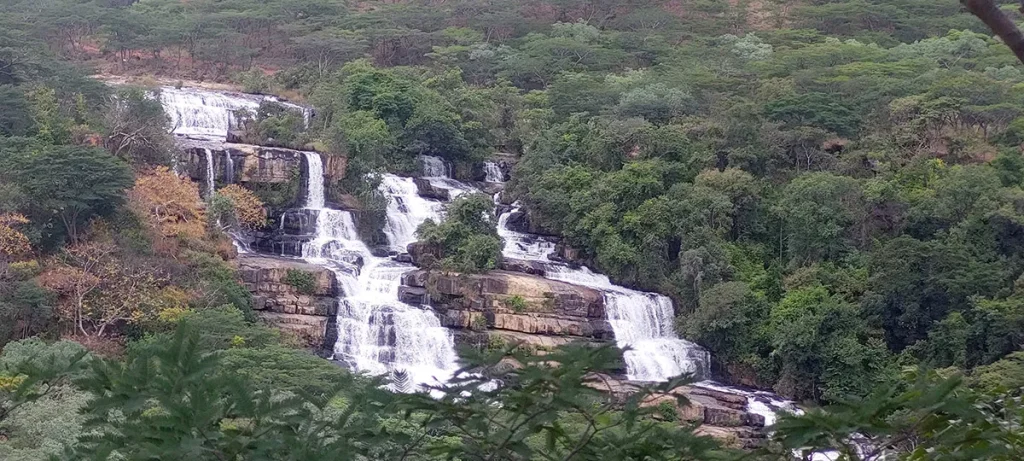
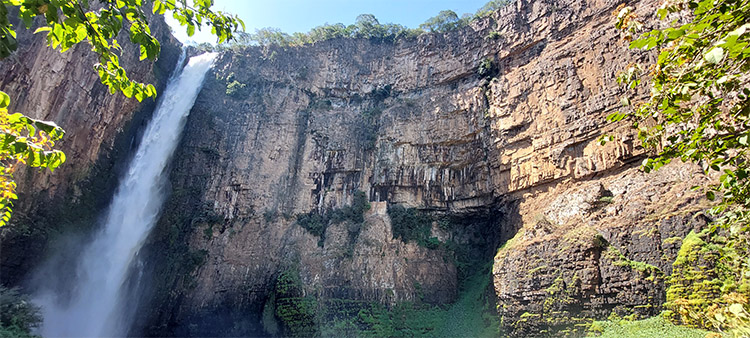
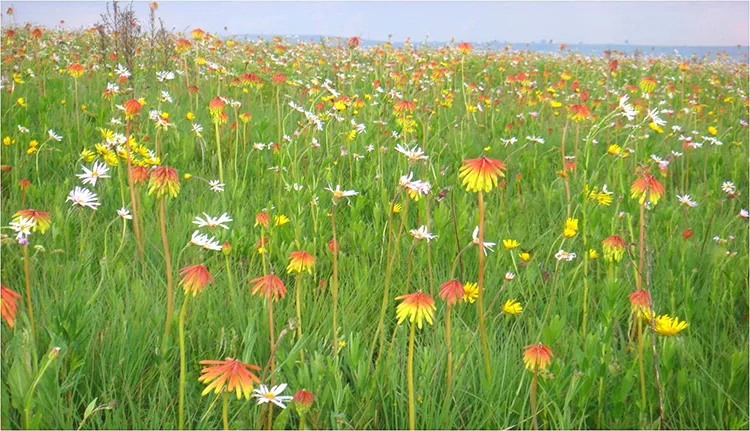
Known as “The Land of Waterfalls,” Mpanga Kipengere Game Reserve was officially established in 2002 and covers 1,574.25 km². The reserve lies at altitudes of 1,080 to 2,858 meters above sea level, offering a cool highland climate and spectacular scenery. Located across Wanging’ombe and Makete districts in Njombe Region and Mbarali District in Mbeya Region, the reserve forms part of Tanzania’s Southern Highlands. It consists of the Kipengere, Mpanga, Lugala, and Chafukwe Mountains, featuring green peaks, sprawling plains, dramatic valleys, winding rivers, and stunning waterfalls. The reserve’s main office is situated in Ilembula town along the Njombe–Mbeya road. Getting There Mpanga Kipengere can be reached by air or road. The nearest airports are Songwe Airport (Mbeya) and Iringa Airport, both connected to Dar es Salaam. From Mbeya or Njombe town, the reserve is accessible by 4×4 vehicle in approximately 3–5 hours, depending on road conditions. Kanuth Adventure Safaris arranges private transfers, experienced guides, and all safari logistics to ensure a smooth and comfortable journey. The reserve can also be combined with Kitulo National Park, Lake Nyasa, or Ruaha National Park for a complete Southern Tanzania safari experience. Why Visit Mpanga Kipengere Game Reserve? Mpanga Kipengere is ideal for travellers seeking a remote and peaceful safari experience with dramatic scenery and diverse habitats. The reserve offers excellent opportunities for wildlife viewing and birdwatching within a unique highland ecosystem. Unlike more visited parks, Mpanga Kipengere provides a sense of exclusivity and untouched wilderness, making it perfect for nature lovers, photographers, and adventurers looking to explore beyond Tanzania’s classic safari circuit. Key Landscape Features Mountains & Valleys The region is dominated by the Kipengere and Chafukwe mountain ranges, which create panoramic ridges and dramatic, deep valleys. From elevated viewpoints, visitors can enjoy sweeping vistas across rolling highlands and toward Lake Nyasa. The rugged terrain gives the reserve its wild and untouched character.  Waterfalls & Rivers Mpanga Kipengere is often called a “land of waterfalls.” Cascading waters such as Kimani, Nyaugenge, and Nyaluliva waterfalls flow through the mountains, especially during the rainy season. At the base of the Kimani River waterfall lies the famous “Love Pool,” a natural pool surrounded by lush greenery that adds to the reserve’s charm. Vegetation The habitat is a rich mix of afro-montane forest–grassland mosaics and mid-altitude miombo woodland. This blend of ecosystems supports a wide range of wildlife and bird species while creating constantly changing scenery throughout the reserve. Unique Flora The highlands are especially known for delicate endemic orchids and seasonal wildflowers that bloom across the grasslands. During the flowering season, parts of the reserve transform into colourful natural gardens, attracting botanists and nature enthusiasts alike.   Wildlife in Mpanga Kipengere Game Reserve The reserve supports wildlife adapted to highland environments. Visitors may encounter buffalo, eland, zebra, bushbuck, reedbuck, and several smaller antelope species. Primates can also be spotted in forested areas. Mpanga Kipengere is particularly rewarding for birdwatchers, with numerous highland and migratory species inhabiting its forests and grasslands. Because the area remains relatively undisturbed, wildlife sightings feel intimate and authentic. All safaris with Kanuth Adventure Safaris are conducted responsibly, prioritising conservation, safety, and respect for the natural environment. Safari Activities in Mpanga Kipengere Hiking & Trail Walks Mpanga Kipengere offers an intricate network of trails through its “brooding and primaeval” forests, dramatic valleys, and flower-filled highlands. Hikes range from short half-day walks to challenging multi-day expeditions, allowing visitors to fully immerse themselves in the reserve’s pristine landscapes. Along the trails, you’ll encounter waterfalls, rivers, and panoramic mountain views that showcase the region’s natural beauty. Kimani Waterfall Excursion A highlight for many visitors is the day hike to Kimani Waterfall, which plunges 70 meters into a picturesque jungle valley. The trek is scenic and rewarding, with lush forest surroundings and vibrant wildflowers. Swimming at the base of the waterfall adds a refreshing and adventurous element, making it a must-do activity in the reserve. Mountain Biking For adventure enthusiasts, mountain biking provides a thrilling way to explore the highlands. Trails wind through forested slopes, grasslands, and scenic valleys, offering both exercise and breathtaking views. Riding through the reserve offers a unique perspective on the terrain, unlike walking or driving. Rock Climbing & Mountaineering The reserve’s rugged mountains, including the Kipengere and Chafukwe ranges, offer exciting opportunities for climbing. Both beginners and experienced climbers can find suitable routes, from moderate scrambles to more challenging ascents. Climbing allows visitors to reach spectacular viewpoints and fully appreciate the region’s dramatic topography. Cultural Visits Visitors can explore the nearby Bena and Safwa communities to gain insight into local traditions, daily life, and agricultural practices. The reserve is also rich in history, with sites such as Chief Mkwawa’s hideout caves, iron smelting locations, and ancient grinding stones, allowing guests to connect with the region’s cultural heritage and past civilisations. Bird watching Mpanga Kipengere is a paradise for bird enthusiasts, with a variety of endemic and migratory species inhabiting its forests and grasslands. Guided birdwatching excursions help visitors spot rare highland species and learn about their habitats, behaviour, and ecological importance. Early morning trips are especially rewarding when birds are most active. Scenic Photography & Nature Exploration From waterfalls and escarpments to valleys and forests, the reserve offers endless opportunities for photography. Nature exploration allows visitors to appreciate the reserve’s unique flora, geological formations, and rivers while learning about its diverse ecosystems. These experiences provide depth beyond traditional wildlife viewing, making every visit memorable. Accommodation Mpanga Kipengere Game Reserve offers an unmatched camping experience for visitors who enjoy going “off the beaten track.” The scenic campsites offer dramatic views and include standard washroom facilities, a shaded kitchen area, a dining area, and a reliable water supply, making them perfect for stargazing and sharing meals in nature. For those who prefer indoor lodging, a range of accommodation options for different budgets is available in nearby Makambako and Mbeya towns. Kanuth Adventure Safaris can arrange the best option to suit your needs. Best Time to Visit Mpanga Kipengere Game Reserve can be visited year-round.

Hiking in Tanzania
Our Blog

The Ultimate Guide to Hiking in Tanzania: Routes,& Best Time (2026)

Are you planning a trek in the “Soul of Africa”? While the views from the summit of Mount Kilimanjaro are legendary, planning a hiking trip in Tanzania involves more than just packing a pair of boots. From permit fees to choosing the right season, and understanding the unique cultural aspects, this guide covers everything you need to know to move from “searching” to “summiting” your dream Tanzanian peak in 2026. Tanzania, a land synonymous with epic safaris, offers an equally thrilling world for hikers. Beyond the iconic Big Five, its majestic mountains, lush rainforests, and ancient volcanic landscapes beckon adventurers from across the globe. This guide provides a detailed roadmap to ensure your Tanzanian hiking expedition is safe, memorable, and perfectly planned. Quick Facts for Your 2026 Trek Category Information Peak Season June to October (Dry & Clear) Top Peak Mt. Kilimanjaro ($5,895m$) Best Wildlife Trek Mt. Meru (Arusha National Park) Most Challenging Ol Doinyo Lengai (Active Volcano) Visa Requirement Most nationalities require an e-Visa 1. Mount Kilimanjaro The Roof of Africa Tanzania is a premier hiking destination because of its incredible diversity. Depending on your fitness level, time constraints, and desired challenge, you have three world-class mountain options, plus a wealth of other trekking opportunities in the Usambara and Udzungwa Mountains. Kilimanjaro is the world’s highest free-standing mountain and Africa’s tallest peak. It requires no technical climbing skills but Explore Our Trekking Itineraries → demands significant physical and mental endurance, making it a “walkable” bucket-list challenge for many. Popular Routes: Machame Route: Often called the “Whiskey Route,” it’s scenic and challenging, typically taking 6-7 days. Lemosho Route: Widely considered the most beautiful and best for acclimatization, usually 7-8 days. Marangu Route: The “Coca-Cola Route,” offering hut accommodation but less effective for acclimatization, typically 5-6 days. Duration: Typically 6–9 days, depending on the chosen route and your acclimatization schedule. 2. Mount Meru The Acclimatization Gem Located in the heart of Arusha National Park, Mount Meru is Tanzania’s second-highest peak. This is the perfect 3–4 day trek, highly recommended for acclimatization before Kilimanjaro. Meru offers an incredible opportunity for wildlife spotting (giraffes, zebras, buffalo) at its base, accompanied by an armed ranger for safety. The views of Kilimanjaro at sunrise from Meru’s summit are spectacular.   Choose Your Tanzania Adventure → 3. Ol Doinyo Lengai : The Mountain of God The active volcano, revered by the Maasai as the “Mountain of God,” is a truly unique experience. Located near Lake Natron in the Great Rift Valley, it is extremely steep, gaining $1,600m$ in elevation in just $5km$. This is for experienced hikers seeking a “lava-fueled” adrenaline rush and surreal landscapes. Climbs typically start at midnight to reach the summit for sunrise. View 2026 Hiking Packages → When to Visit: The 2026 Weather Window for Hiking Tanzania Timing is everything for a successful and enjoyable trek. You definitely don’t want to be on a slippery volcanic slope or a muddy forest trail during the height of the rainy season. Dry Seasons (Best): June–October: The long dry season. Ideal for all treks with clear skies and moderate temperatures, but also peak tourist season. December–March: The short dry season. Generally good weather, especially excellent for Kilimanjaro, with fewer crowds than the June-Oct period. Wet Seasons (Avoid for major treks): April–May: The “long rains.” Trails become slippery, muddy, and more challenging. Clouds often obscure the peaks, and wildlife viewing can be difficult. November: The “short rains.” Lighter and less predictable, some smaller treks are still possible, but major climbs can be hampered. Cultural Etiquette: Embracing the “Mountain Spirit” Your porters, guides, and cooks are the heart of your journey. In 2026, sustainable and responsible tourism is more important than ever. Engaging respectfully with your crew and local communities enhances everyone’s experience. “Pole Pole” (Slowly Slowly): This Swahili phrase will become your mantra on high-altitude treks. Embrace the pace for better acclimatization. Tipping Etiquette: Learn the local tipping “Kitu Kidogo” (something small) customs. Your operator will provide guidelines, but generally, tips are given to the head guide at the end of the trek, who then distributes them. Leave No Trace: Ensure everything you carry in, you carry out. Respect wildlife, stay on marked trails, and minimize your environmental impact. Photography: Always ask for permission before taking photos of local people. Frequently Asked Questions (FAQ) Do I need a visa to hike in Tanzania? Yes, most travelers require a tourist visa, which can be applied for online via the official Tanzanian Immigration portal. It’s recommended to apply well in advance of your trip. Can I hike the Usambara Mountains without a guide? While some small trails are accessible, a local guide is highly recommended to navigate the “hidden gems” and vibrant villages safely. They also provide invaluable cultural insights and support the local economy. How fit do I need to be for Kilimanjaro? You don’t need to be an athlete, but good cardiovascular fitness and mental resilience are key. Regular long walks, jogging, and strength training in the months leading up to your trek are highly beneficial. Plan Your 2026 Adventure: Your Tanzanian Summit Awaits! Ready to stand on top of Africa, trek through ancient rainforests, or witness the otherworldly beauty of an active volcano? Whether it’s the majestic Kilimanjaro, the wildlife-rich slopes of Meru, or the challenging ascent of Ol Doinyo Lengai, your adventure starts with detailed planning and the first step. Contact us today at +255 754 967 544 for personalised hiking and safari packages. Explore Our Full 2026 Tanzania Hiking Itineraries →

Mahale Mountains
Our Blog

7 Hidden Gems for Hiking in Tanzania (2026 Guide)

Tanzania. The name conjures images of the Serengeti’s sweeping plains, the majestic peak of Kilimanjaro, and the spice-scented air of Zanzibar. But for the adventurous soul, Tanzania offers far more than its famous postcards suggest. While Kilimanjaro undoubtedly draws the crowds, a wealth of lesser-known trails wind through ancient forests, along pristine crater rims, and past vibrant local communities. These are the hidden gems—places where the air is fresher, the views are more personal, and the connection to nature is profoundly deeper. If you’re seeking to escape the well-trodden paths and discover the authentic, untamed beauty of East Africa on foot, then this 2026 guide is for you. We’ve curated seven unforgettable hiking experiences that promise adventure, stunning landscapes, and memories far beyond the usual tourist trail. Why Choose Tanzania’s Hidden Trails in 2026? As travel evolves, so does the desire for unique, sustainable experiences. Tanzania’s commitment to conservation means these hidden gems remain pristine, offering a chance to witness wildlife and landscapes in their natural, undisturbed glory. By choosing these trails, you’re not just embarking on a hike; you’re contributing to the preservation of these remarkable ecosystems and supporting local communities. 1. The Usambara Mountains: An Arcadian Paradise​ Nestled in northeastern Tanzania, the Usambara Mountains are often called the “Galapagos of Africa” due to their incredible biodiversity. These ancient rainforests are a hiker’s dream, offering trails from a few hours to multi-day treks. Expect cool, misty air, breathtaking viewpoints like Irente viewpoint, and a chance to spot rare birds and endemic chameleons. Best For: Nature lovers, bird watchers, moderate hikers. Don’t Miss: The vibrant local markets in Lushoto, guided walks to local villages, and the stunning views from the Irente viewpoint. Difficulty: Easy to Moderate.   View All Hiking Guides → 2. Ol Doinyo Lengai: The Mountain of God Located in the Great Rift Valley, Ol Doinyo Lengai is a stratovolcano revered by the Maasai as the “Mountain of God.” This active volcano is unique for its natrocarbonatite lava, which flows at much lower temperatures and appears black during the day, glowing orange at night. The climb is challenging, usually starting at midnight to reach the summit for an unforgettable sunrise over the Rift Valley and Lake Natron. Best For: Experienced, adventurous hikers seeking a unique geological experience. Don’t Miss: The surreal, otherworldly landscape, the views of Lake Natron and its flamingos, and interactions with Maasai guides. Difficulty: Strenuous (steep scree slopes, often windy). View All Hiking Guides → 3. Udzungwa Mountains National Park: A Biodiversity Hotspot Known for its incredible biodiversity, the Udzungwa Mountains offer a network of trails through pristine rainforest leading to stunning waterfalls. The Sanje Waterfalls trail is particularly popular, culminating in a series of cascades where you can even take a refreshing dip. This park is a primate paradise, home to several endemic species, including the Udzungwa red colobus and the Sanje mangabey. Best For: Wildlife enthusiasts, waterfall lovers, moderate hikers. Don’t Miss: Swimming in the natural pools of Sanje Waterfalls, primate spotting, and birdwatching. Difficulty: Easy to Moderate. View All Hiking Guides → 4. Empakai Crater: A Walk into a Lost World Part of the Ngorongoro Conservation Area, Empakai Crater offers a unique hiking experience down to its emerald-green soda lake. Unlike the heavily visited Ngorongoro Crater, Empakai is serene and rarely crowded. Accompanied by Maasai guides, you can walk among buffalo and waterbucks, often spotting flamingos on the lake’s edge. The views from the rim, stretching to Ol Doinyo Lengai and even Kilimanjaro on a clear day, are simply breathtaking. Best For: Those seeking solitude, unique landscapes, and cultural interaction. Don’t Miss: The vibrant colors of the soda lake, guided walks with Maasai warriors, and stunning panoramic views. Difficulty: Moderate (steep descent into the crater, then ascent out). View All Hiking Guides → Explore 12+ Tanzania Hiking Routes Planning Your Tanzanian Hiking Adventure for 2026 When to Go: The dry seasons (June to October and December to February) are generally best for hiking, offering clearer skies and fewer mosquitoes. Guides are Essential: For most of these hidden gems, local guides are not only recommended for safety and navigation but often mandatory for park regulations and cultural immersion. Gear Up: Pack appropriate hiking boots, layers of clothing (temperatures can vary), rain gear, sun protection, and a good camera! Respect Local Culture: Especially when hiking in community lands, always respect local customs and ask permission before taking photos. Ready to Explore Tanzania Beyond the Safari? These hidden hiking trails offer a chance to connect with Tanzania’s wild heart in a way that few tourists ever experience. From misty mountain rainforests to challenging volcanic ascents and serene crater lakes, your 2026 adventure promises to be truly unforgettable. Internal Links to Consider Adding  Planning a Weekend Trip to a Nearby National Park or State Park Climb Mount Meru Bagamoyo History Guide Tanzania Weather December

Our Blog

6 Nights 7 Days Tanzania Northern Circuit Safari

Tanzania is the heartbeat of African wildlife. When travelers dream of golden savannas, roaring lions, and the thundering hooves of the Great Migration, they are dreaming of Tanzania. The 6 nights 7 days Tanzania Northern Circuit Safari is the most iconic wildlife adventure on the planet. It combines four legendary destinations into one seamless journey through nature’s greatest masterpiece. This comprehensive guide will walk you through every detail of this life-changing experience. From the elephant-dotted plains of Tarangire to the volcanic wonder of Ngorongoro Crater, you will discover why millions of travelers consider this circuit the ultimate bucket-list adventure. Why Choose the Tanzania Northern Circuit Safari? The Northern Circuit is Tanzania’s crown jewel. Unlike other safari routes that require long travel days between parks, the Northern Circuit offers incredible wildlife density within a compact geographical area. This means you spend less time on dusty roads and more time watching cheetahs hunt, elephants bathe, and lions nurture their cubs. The four main parks of the Northern Circuit are: Tarangire National Park – Famous for massive elephant herds and ancient baobab trees Lake Manyara National Park – Home to tree-climbing lions and pink flamingo colonies Serengeti National Park – The world-famous endless plains hosting the Great Migration Ngorongoro Crater – A UNESCO World Heritage Site and natural wildlife sanctuary Book Your Dream Safari Today Here Day 1: You will transfer to Moshi Town. Day 2: You hike from Machame Gate to Machame Camp, which takes about 5 to 7 hours. Day 3: You trek from Machame Camp to Shira Camp, taking roughly 5 to 7 hours. Day 4: The route goes from Shira Camp to Barranco Camp over 5 to 7 hours. Day 5: You move from Barranco Camp to Karanga Valley Camp in about 4 to 5 hours. Day 6: The hike continues from Karanga Valley Camp to Barafu Camp for 6 to 7 hours. Day 7: This is the summit day, climbing from Barafu Camp to Uhuru Peak, also known as the Roof of Africa. Day 8: Finally, you descend from Mweka Camp to Mweka Gate, which takes 3 to 4 hours. Check in Details and Plan your Tour Best Time to Visit for Your 6 Nights 7 Days Tanzania Safari Dry Season (June to October) This is the peak safari season. Vegetation is sparse, making wildlife easier to spot. Animals congregate around water sources, and the Great Migration river crossings occur during this period. Expect cooler temperatures and higher prices. Wet Season (November to May) The landscape transforms into a lush green paradise. Baby animals are born, migratory birds arrive, and fewer tourists mean lower prices. The calving season in February is particularly spectacular. Migration Timing December to March: Southern Serengeti (calving season) April to May: Central Serengeti (heading north) June to July: Western Corridor (Grumeti River crossings) August to October: Northern Serengeti (Mara River crossings) November: Moving south again Frequently Asked Questions About Tanzania Safari Is a 7-day safari long enough? Absolutely. Seven days allows sufficient time to explore four major parks without rushing. You will have multiple game drives in each location and genuine opportunities to see all the Big Five. What animals will I see? The Northern Circuit offers excellent chances to see lions, leopards, elephants, buffalo, rhinos, cheetahs, giraffes, zebras, wildebeest, hippos, crocodiles, and hundreds of bird species. Is Tanzania safe for tourists? Tanzania is one of Africa’s safest countries for tourists. The people are welcoming, and safari areas are well-managed. Standard travel precautions apply. Do I need vaccinations? Yellow Fever vaccination is required if arriving from an endemic country. Recommended vaccinations include Hepatitis A, Typhoid, and Tetanus. Malaria prophylaxis is strongly advised. Can children go on safari? Yes! Many lodges welcome families with children. Some properties have minimum age requirements for game drives, typically around 5–7 years old. Family-friendly lodges offer pools and activities for younger travelers. What is the tipping etiquette? Tipping is customary in Tanzania. General guidelines suggest $15–20 per day for your guide and $5–10 per day for lodge staff. Click Here to Book Your Dream Safari Today The 6 nights 7 days Tanzania Northern Circuit Safari represents the pinnacle of African wildlife experiences. From the moment you arrive in Arusha until your emotional departure, every day brings new wonders and unforgettable memories. The Serengeti’s endless plains. The Ngorongoro Crater’s natural amphitheater. Elephants silhouetted against ancient baobabs. Lions teaching their cubs to hunt. These are not just travel experiences; they are life-changing moments that stay with you forever. Tanzania awaits. The animals are roaming. The sun is setting over the savanna. Your adventure begins with a single step.

Our Blog

The Best Weekend Getaways from Dar es Salaam

Top Short Trips for Relaxation, Adventure, and Nature Lovers Dar es Salaam is not only Tanzania’s bustling coastal city—it’s also the perfect launch point for unforgettable weekend escapes. Within a few hours of travel, visitors can enjoy tropical beaches, wildlife safaris, forested mountains, and historic coastal towns. Weekend getaways from Dar es Salaam are ideal for travellers who want to relax, explore, and reconnect with nature without taking long breaks from their daily routines. At Kanuth Adventure Safaris, we organise well-planned and stress-free weekend getaways from the city, giving travellers the chance to experience the best of Tanzania in a short but memorable time. Why Choose a Weekend Getaway from Dar es Salaam Dar es Salaam’s strategic coastal location makes it easy to access some of Tanzania’s most diverse destinations by road, ferry, or short domestic flights. Weekend getaways are perfect for busy professionals, couples, families, and adventure seekers who want meaningful travel experiences within a limited schedule. These trips offer a refreshing break from city life while remaining affordable and time-efficient. Top Weekend Getaway Destinations Zanzibar Island – Beach and Cultural Escape Zanzibar is an archipelago in the Indian Ocean, lying about 25–50 kilometres (15–30 miles) off the coast of mainland Tanzania in East Africa, close to the equator. The islands comprise two main islands, Unguja, commonly referred to as Zanzibar, and Pemba. Travel time from Dar es Salaam is approximately 1 hour by domestic flight or about 2 hours by ferry. Zanzibar is renowned for its historic Stone Town, a UNESCO World Heritage Site, as well as its stunning white-sand beaches, turquoise waters, spice farms, and excellent snorkelling and diving opportunities. Its short travel time and diverse attractions make it one of the most rewarding weekend getaways from Dar es Salaam. Mikumi National Park – A Classic Safari Experience Mikumi National Park is located in southern Tanzania and forms part of the greater Selous ecosystem. The park lies about 283 kilometres from Dar es Salaam, with a travel time of approximately 4–5 hours by road or 1 hour by domestic flight. Mikumi is known for its open savannah landscapes and abundant wildlife, including elephants, lions, giraffes, zebras, and buffalo. Its accessibility makes it one of the best safari options for a weekend trip. Saadani National Park – Safari by the Sea Saadani National Park stretches along Tanzania’s northern coastline between Dar es Salaam and Tanga. The park stands about 130 kilometres from Dar es Salaam, with an estimated travel time of 4 hours by road. Saadani is unique as the only national park in Tanzania that borders the Indian Ocean, allowing visitors to enjoy wildlife viewing alongside beach relaxation. This rare combination makes it an outstanding weekend destination. Bagamoyo – History and Coastal Charm Bagamoyo is a historic coastal town about 75 kilometres north of Dar es Salaam, with a travel time of approximately 1.5–2 hours by road. The town is rich in Swahili culture and history, featuring landmarks connected to the slave trade and German colonial era. Its relaxed atmosphere, cultural heritage, and peaceful beaches make it ideal for a short cultural getaway. Pugu Hills – A Nature Escape Close to the City Pugu Hills are located southwest of Dar es Salaam near Kisarawe District. It is one of the closest nature escapes, with a travel time of approximately 0.75–1 hour by road. Pugu Hills offers forest trails, scenic viewpoints, fresh air, and opportunities for hiking, canoeing and birdwatching. Pugu Hills is ideal for anyone wanting a peaceful escape from the city and a chance to reconnect with nature over a short weekend. Uluguru Mountains – Lush Forests and Scenic Hiking The Uluguru Mountains form part of the Eastern Arc Mountains. Travel from Dar es Salaam takes approximately 3–4 hours by road. The Uluguru Mountains are known for their lush forests, waterfalls, panoramic views, and cooler climate. This destination is ideal for hikers and nature lovers seeking an active weekend retreat surrounded by scenic landscapes and local mountain communities. Udzungwa Mountains National Park – Waterfalls and Biodiversity Udzungwa Mountains National Park is located in south-central Tanzania near Mikumi National Park. The park is approximately 350 kilometres from Dar es Salaam, with a travel time of 6–7 hours by road or about 1 hour by domestic flight, followed by a short drive. Udzungwa is famous for its dense forests, endemic wildlife, and impressive waterfalls such as Sanje Falls. It is an excellent choice for adventurous travellers who enjoy hiking and nature exploration. Wami Mbiki Game Reserve – Community-Based Wildlife Experience Wami Mbiki Game Reserve spans eastern Tanzania, within the Morogoro region. The reserve is about 150 kilometres from Dar es Salaam, with a travel time of approximately 3–4 hours by road. Wami Mbiki is managed through community conservation initiatives and offers an authentic wildlife experience with fewer visitors. Wildlife sightings may include elephants, giraffes, antelopes, and a wide variety of bird species, making it ideal for travellers seeking a quieter safari experience. Kilwa Kisiwani – History, Ruins, and Coastal Beauty Kilwa Kisiwani is located along Tanzania’s southern coastline in the Lindi region. The destination is approximately 325 kilometres from Dar es Salaam, with a road trip of 6–7 hours or a domestic flight of 1–1.5 hours, followed by a short boat transfer. Kilwa Kisiwani is a UNESCO World Heritage Site known for its ancient Swahili ruins, historic mosques, and palaces. Combined with its peaceful beaches and cultural significance, it offers a deeply rewarding weekend escape. Best Time for Weekend Getaways Weekend getaways from Dar es Salaam can be enjoyed year-round. The dry season from June to October is ideal for safaris and hiking due to cooler temperatures and clear skies. The months from December to March are perfect for beach destinations, while April to May offer lush landscapes and fewer crowds. Start Your Weekend Escape Today You do not need a long vacation to explore Tanzania’s incredible destinations. With the right planning and a trusted tour operator, a weekend is enough to create lasting memories. Start planning

Our Blog

Lemosho Route: The Best Path to the Summit of Mount Kilimanjaro

For climbers and adventure seekers looking for one of the most scenic, rewarding, and successful routes to the summit of Mount Kilimanjaro, the Lemosho Route stands out as a top choice. Known for its breathtaking landscapes, excellent acclimatisation profile, and high summit success rate, Lemosho offers an unforgettable journey to Africa’s highest peak. At Kanuth Adventure Safaris, we specialise in guiding climbers safely and responsibly along this iconic route, ensuring adventure and comfort at every step. Overview of the Lemosho Route The Lemosho Route approaches Mount Kilimanjaro from the western side, beginning at the Londorossi Gate. It traverses lush rainforest, vast moorlands, dramatic lava formations, and the stunning Shira Plateau before joining the southern circuit and approaching the summit via Barafu Camp. Because of its longer duration and gradual ascent, Lemosho is widely regarded as one of the best routes for acclimatisation, making it ideal for climbers who want to maximise their chances of reaching Uhuru Peak. Why Choose the Lemosho Route? Exceptional Scenery Lemosho is often described as the most beautiful route on Kilimanjaro. From dense rainforest and endemic wildlife to sweeping alpine vistas and panoramic views of the Shira Plateau, every day presents a new and awe-inspiring landscape. Higher Summit Success Rate Thanks to its longer itinerary (typically 7–8 days), the Lemosho Route allows the body more time to adapt to altitude. This significantly reduces the risk of altitude sickness and increases the likelihood of reaching the summit. Fewer Crowds (Early Stages) Unlike some of the more popular routes, Lemosho starts off relatively quiet. This gives climbers a sense of wilderness and solitude during the first few days of the trek Ideal for First-Time Climbers While still challenging, Lemosho is well-suited for climbers with good fitness levels, even if they have no prior high-altitude trekking experience. Typical Lemosho Route Itinerary (8 Days) Day 1: Londorossi Gate to Mti Mkubwa Camp (Rainforest Zone) Day 2: Mti Mkubwa Camp to Shira 1 Camp Day 3: Shira 1 Camp to Shira 2 Camp Day 4: Shira 2 Camp to Barranco Camp (via Lava Tower) Day 5: Barranco Camp to Karanga Camp Day 6: Karanga Camp to Barafu Camp Day 7: Barafu Camp to Uhuru Peak, then descend to Mweka Camp Day 8: Mweka Camp to Mweka Gate This itinerary is designed to enhance acclimatisation and give climbers the best possible chance of reaching the summit. Best Time to Climb the Lemosho Route The best months to climb Mount Kilimanjaro via the Lemosho Route are from January to early March, when conditions are generally warmer with clearer skies, and from June to October, which offer cooler temperatures and excellent visibility; although climbing is possible year-round, these periods provide the most favourable and reliable weather conditions for a successful and enjoyable ascent. Wildlife and Nature The western slopes of Kilimanjaro are rich in wildlife. During the early days of the Lemosho Route, climbers may encounter colobus and blue monkeys, as well as a variety of bird species—an experience unique to this route. Why Climb with Kanuth Adventure Safaris? At Kanuth Adventure Safaris, we believe that a successful climb is about more than just reaching the summit. It’s about safety, sustainability, and creating lifelong memories.  What We Offer: Experienced, certified mountain guides High-quality camping equipment Nutritious, energy-rich meals on the mountain Ethical porter treatment and fair wages Comprehensive safety protocols and altitude monitoring Personalised climb planning and support Our team is passionate about mountains and deeply knowledgeable about Kilimanjaro, ensuring you are in capable hands from start to finish. Is the Lemosho Route Right for You? If you are an adventure seeker who values scenic beauty, a well-paced ascent, and a higher chance of success, the Lemosho Route is an excellent choice. Whether you are a first-time climber or an experienced trekker, this route offers a balanced and rewarding Kilimanjaro experience. Start Your Kilimanjaro Journey Today Climbing Mount Kilimanjaro is a life-changing adventure and choosing the right route and operator makes all the difference. Contact Kanuth Adventure Safaris today to learn more about our Lemosho Route packages and begin planning your journey to the Roof of Africa. You can reach us via email at info@kanuthadvenures.com or contact us directly on WhatsApp at +255 754 967 544 for quick assistance and personalized support.

Our Blog

The Ultimate Guide to Trekking the Ngorongoro Highlands

When most travellers think of Tanzania, they picture the endless plains of the Serengeti or the majestic peak of Mount Kilimanjaro. Yet tucked between these famous landmarks lies a true hidden gem: the Ngorongoro Highlands. Trekking here leads you along peaceful, untouched trails, where you can discover dramatic volcanic landscapes, encounter diverse wildlife, and experience Maasai traditions in a way few ever do. Where Are the Ngorongoro Highlands? The Ngorongoro Highlands stretch along the eastern edge of the Great Rift Valley in northern Tanzania. This elevated region surrounds the world-famous Ngorongoro Crater and includes a series of ancient volcanoes, rolling green hills, dense forests, highland plains, and sparkling crater lakes. Unlike game drives inside the crater, trekking in the highlands allows visitors to explore the region on foot, offering an intimate connection with the land and its people. Getting There The Ngorongoro Highlands are reached by road, usually from Arusha, about 180 kilometres away and a 4–5 hour drive. The journey passes through beautiful countryside, small villages, and farmland, giving a taste of rural Tanzania. Most travellers fly into Arusha International Airport (ARK), which has connections from Africa and the Middle East. From there, you can reach the highlands by private car, 4×4, or an arranged transfer with Kanuth Adventure Safaris, who can ensure your trip starts smoothly. The highlands are also close to Serengeti National Park and Lake Manyara, making it easy to combine trekking with a safari. Why Choose Ngorongoro Highlands Trekking? Ngorongoro Highlands trekking is perfect for travellers seeking: Scenic walking safaris and hiking adventures Cultural interaction with the Maasai communities Fewer tourists and untouched wilderness A slower, more meaningful way to explore Tanzania This trek is ideal for adventure travellers, photographers, nature lovers, and anyone wanting a unique alternative to traditional safari itineraries.  Landscapes You’ll Encounter Volcanic Craters and Highlands The region is shaped by extinct volcanoes such as Olmoti, Empakaai, and Oldeani. Treks often pass along crater rims with breathtaking views of deep calderas and emerald lakes below. Lush Forests and Open Plains Expect a diverse mix of environments: montane forests, grassy highland meadows, acacia woodlands, and open plains grazed by wildlife and livestock alike. Crater Lakes Empakaai Crater, one of the highlights, features a stunning alkaline lake often filled with flamingos and surrounded by steep forested walls. Wildlife on the Trek Walking through the highlands, you may see zebras and wildebeest grazing on the open plains, as well as buffalo and eland moving through the grasslands. Smaller animals such as bushbuck and reedbuck are often spotted near forested areas, while baboons and blue monkeys are frequently seen along the trails. The area is also rich in birdlife, with many species, including birds of prey and flamingos, around the crater lakes. All treks with Kanuth Adventure Safaris are led with safety in mind and are accompanied by armed rangers where required, while fully respecting conservation rules and the natural environment. Cultural Encounters with the Maasai One of the most rewarding parts of trekking in the Ngorongoro Highlands is meeting the Maasai people, who have lived on this land for centuries. During the trek, you may visit traditional Maasai bomas and see how they live day to day. You will learn about livestock herding and the pastoral lifestyle that is central to Maasai culture. You may also enjoy local songs, dances, and stories shared by the community. These experiences help you understand Maasai traditions, clothing, and beliefs. All visits are respectful and community-supported, creating a genuine and meaningful cultural experience. Popular Ngorongoro Highlands Trekking Routes Olmoti Crater to Empakaai Crater One of the most popular routes, this trek takes you from Olmoti’s waterfall-filled crater to the dramatic Empakaai Crater rim, offering stunning views and varied terrain. Empakaai to Lake Natron For experienced trekkers, this longer route descends from the cool highlands into the remote, surreal landscapes of Lake Natron, near the active volcano Ol Doinyo Lengai. Highlands to Serengeti Some multi-day itineraries combine trekking with a walking transition toward the Serengeti ecosystem, blending hiking with classic safari experiences. Accommodation during the Trek Depending on your itinerary, accommodations may range from scenic wilderness campsites and comfortable tented camps to lodges near the crater highlands. Our trekking teams handle all logistics, including setting up tents, preparing meals, providing porters, and supplying all necessary camping equipment, so you can enjoy a comfortable, hassle-free experience even in the most remote areas. Best Time for Ngorongoro Highlands Trekking The best trekking seasons are: June to October: Dry season, cooler temperatures, clear views January to February: Short dry season with lush landscapes Trekking is possible year-round, though March to May can be wetter and more challenging. What to Pack for Your Ngorongoro Highlands Trek For your Ngorongoro Highlands trek, pack lightweight hiking clothes with layers, a warm jacket, a waterproof jacket or poncho, sturdy boots, a hat, and sunglasses. Bring a daypack with water, snacks, a headlamp, a camera, and binoculars, plus sunscreen, insect repellent, and any personal medications. Don’t forget your passport, travel documents, toiletries, and a small power bank. Kanuth Adventure Safaris provides tents, meals, and camping gear, so you only need the essentials. Final Thoughts Ngorongoro Highlands trekking offers breathtaking scenery, vibrant culture, and a sense of discovery that few destinations can match. Walking these ancient trails lets you connect with the land in a way no vehicle ever could. For those seeking a unique African adventure beyond the classic safari, Kanuth Adventure Safaris invites you to explore the Ngorongoro Highlands step by step, story by story. Get in touch with Kanuth Adventure Safaris today to learn more about our Ngorongoro Highlands trekking packages and start planning your unforgettable adventure. You can email us at info@kanuthadventures.com or reach us directly on WhatsApp at +255 754 967 544 for quick, personalized assistance and guidance.

Our Blog

The Solo Traveler’s Guide to Tanzania

Solo Travel in Tanzania: The Ultimate Guide for Independent Adventurers Tanzania is one of Africa’s most rewarding destinations for solo travellers. From iconic safaris and snow-capped Mount Kilimanjaro to palm-fringed beaches and vibrant local cultures, the country offers unforgettable experiences for those travelling alone. Whether you’re seeking adventure, reflection, or cultural immersion, Tanzania welcomes solo travellers with open arms. This guide covers everything you need to know, including safety, costs, transportation, destinations, and tips to plan your solo journey in Tanzania confidently. Why Tanzania Is Perfect for Solo Travelers Travelling solo in Tanzania is both enriching and manageable. While it may feel intimidating at first, many travellers find it surprisingly social and safe. Key reasons Tanzania works well for solo travel: Friendly and hospitable locals Strong sense of community and helpfulness toward visitors Established tourism infrastructure Easy to join group safaris and tours Diverse experiences in one country From backpackers to digital nomads and first-time solo travellers, Tanzania caters to all styles. Is Tanzania Safe for Solo Travelers? Yes — Tanzania is generally safe for solo travellers, including women, when basic precautions are taken. Safety Tips: Stick to reputable accommodations and tour operators Avoid walking alone at night in major cities Keep valuables secure and out of sight Use registered taxis or ride-hailing apps Trust your instincts Petty theft can occur in urban areas like Dar es Salaam or Arusha, but violent crime against tourists is rare. Solo female travellers often report feeling safe, especially when dressing modestly and being culturally respectful. Best Destinations in Tanzania for Solo Travelers Arusha – The Safari Gateway Arusha is the central hub for Tanzania’s northern safari circuit and an ideal starting point for solo travellers. The town has a lively, social atmosphere, making it easy to meet others and join shared safaris to the Serengeti, Ngorongoro Crater, and Tarangire. With plenty of hostels, cafés, and reliable tour operators, Arusha offers both convenience and connection. Serengeti National Park – A Once-in-a-Lifetime Experience The Serengeti is easily accessible to solo travellers through small-group safaris. Travelling this way keeps costs manageable while creating a shared experience with professional guides and fellow travellers. Game drives by day and communal camps in the evenings make the Serengeti both unforgettable and surprisingly social. Zanzibar – Beaches, Culture & Relaxation Zanzibar is ideal for solo travellers seeking a balance of culture and downtime. Stone Town’s history and food scene offer plenty to explore, while beaches like Nungwi and Paje provide a relaxed, traveller-friendly atmosphere. It’s a safe, walkable destination and a perfect place to unwind after a safari or climb. Mount Kilimanjaro – Solo, Supported While Kilimanjaro cannot be climbed independently, it remains a powerful solo experience. Joining a group climb provides expert guides, strong team support, and a shared sense of achievement. Many solo travellers consider reaching the summit one of the most rewarding moments of their journey. Moshi – Calm and Backpacker-Friendly Moshi, located at the base of Kilimanjaro, offers a slower pace and a welcoming environment for solo travellers. With coffee tours, day hikes, and a relaxed town centre, it’s an excellent place to rest, reflect, and connect with other travellers before or after a climb. Getting Around Tanzania as a Solo Traveler Transportation in Tanzania is affordable but can be an adventure. Options: Domestic flights: Fast and reliable for long distances Buses: Cheap but long journeys Dala-dalas: Local minibuses (budget-friendly, crowded) Private transfers: Best for comfort and safety For safaris and remote areas, joining a tour is the easiest option. Budgeting for a Solo Trip to Tanzania Tanzania can be as affordable or as luxurious as you choose. Daily costs depend primarily on whether you’re on safari, where park fees and guides increase expenses. Outside of safari days, food, accommodation, and transport can be very reasonable. Joining group safaris is the most effective way for solo travellers to keep costs manageable while still enjoying high-quality experiences. When to Visit Tanzania as a Solo Traveler The dry season from June to October is ideal for wildlife viewing and popular among travellers, making it a great time to meet others. January and February offer good weather with fewer crowds, while the rainy season from March to May brings lush landscapes and lower prices for those comfortable with occasional downpours. Final Thoughts Solo travel in Tanzania is both empowering and profoundly enriching. Whether you’re watching the Great Migration, trekking the Mountain Kilimanjaro, sharing stories around a campfire, or walking along a quiet beach in Zanzibar, Tanzania offers moments of connection with others and with yourself. If you’re considering your next solo adventure, Tanzania deserves a place at the top of your list. For bookings and inquiries, don’t hesitate to get in touch with us at info@kanuthadventures.com or via WhatsApp at +255 754 967 544

Our Blog

Discover Meru Forest: Arusha’s Hidden Natural Gem

Meru Forest (also known as Meru‑Usa Nature Forest Reserve) is a lush montane forest on the slopes of Mount Meru, near Arusha city in northern Tanzania. It’s part of the larger ecosystem connecting Arusha National Park and surrounding landscapes, and is a vital water catchment and biodiversity hotspot. If you’re planning a trip to northern Tanzania and want to experience something beyond the usual safari circuits, Meru Forest is the perfect destination. Just a short drive from Arusha, this vibrant forest offers an immersive escape into nature, filled with wildlife, waterfalls, and cultural experiences. In this guide, we’ll take you through everything you need to know to plan your visit, from how to get there and what to do to tips for an unforgettable experience. Why Visit Meru Forest? Meru Forest isn’t just a forest; it’s a living ecosystem that connects Arusha National Park and the surrounding communities. It’s an ideal destination for nature lovers, hikers, birdwatchers, and anyone who wants to experience Tanzania’s vibrant biodiversity away from the crowds. Here’s what makes it special: Lush Montane Forests: Tall trees, cascading streams, and misty valleys create an enchanting environment perfect for hiking and photography. Wildlife Encounters: From colobus monkeys and olive baboons to small mammals and reptiles, the forest is alive with wildlife. Birdwatcher’s Paradise: With over 300 bird species, it’s a haven for bird enthusiasts. Waterfalls & Streams: Explore the stunning Napuru Waterfall, a serene spot for swimming, relaxing, and capturing amazing photos. Cultural Experiences: Learn about the Wameru and Maasai communities, explore local villages, and discover traditional farming practices Getting There Meru Forest is easily accessible from Arusha city, making it a perfect day trip or weekend escape. By Air: Fly into Kilimanjaro International Airport (JRO), about 1–1.5 hours from Arusha. By Road: The forest is only ~30 km from Arusha (30–45 minutes). Take Sekei Road for waterfall access or Momella Road for a scenic approach. Transport Options: You can self-drive, take a taxi, or join a guided tour. A 4×4 is recommended if you plan to explore the rougher trails. Things to Do in Meru Forest Forest Walks and Hiking Meru Forest has several well-defined trails suitable for all levels of hikers. The Napuru Waterfall Trail is one of the most popular, leading visitors to a stunning 78-meter waterfall where you can enjoy photographs and even a refreshing swim. For those who prefer gentler walks, the forest loop trails offer a chance to spot wildlife and enjoy the serene environment. Hikes to Sambasha Hill provide panoramic views of the forest and the Arusha plains, making it a perfect spot for nature photography. Birdwatching Meru Forest is home to more than 300 bird species, making it a paradise for birdwatchers. Visitors can spot turacos, sunbirds, hornbills, and many other colourful and unique species. Birdwatching is especially rewarding in the early morning when the forest is quiet, and the birds are most active. Whether you are an amateur or experienced birder, the forest offers countless opportunities to enjoy and photograph the avian life. Wildlife and Nature Encounters The forest is teeming with wildlife, including monkeys, duikers, chameleons, and other small mammals and reptiles. Its dense vegetation provides shelter for insects, butterflies, and other invertebrates, adding to the biodiversity experience. Observing wildlife in their natural habitat is one of the highlights of visiting Meru Forest, and visitors often enjoy the thrill of spotting rare species along the trails. Eco and Cultural Tourism Meru Forest offers several eco-tourism and cultural experiences that enrich your visit. Guided conservation walks with local rangers provide insights into the forest’s ecology and conservation efforts. Visitors can also explore nearby villages to learn about local life, farming practices, and traditions. Traditional coffee farm tours and opportunities to sample local cuisine offer a deeper understanding of the region’s culture and heritage. Photography and Picnics With its beautiful waterfalls, streams, and scenic viewpoints, Meru Forest is ideal for photography enthusiasts. The soft light filtering through the forest canopy creates perfect conditions for capturing memorable shots. Visitors can also enjoy picnics in serene spots surrounded by nature, making it an excellent place for relaxation, reflection, and connecting with the environment. When to Visit Dry Season (June–October, December–February): Trails are easier to navigate, and wildlife is more visible. Rainy Season (March–May, November): The forest is lush and vibrant, though trails can be slippery. Where to Stay in Meru Forest Visitors to Meru Forest can choose from a variety of accommodation options depending on their preference and budget. Inside the forest, there are basic camping sites and a Rest House for those who want a closer experience with nature. For more comfortable stays, Arusha city offers a wide range of lodges and hotels, including Arusha Coffee Lodge, Mount Meru Hotel, and Ilboru Safari Lodge. These accommodations provide easy access to the forest and other attractions, such as Arusha National Park and Lake Duluti. Tips for Visiting Meru Forest Hire a guide: Local guides enrich the experience with insights on wildlife, plants, and culture. Wear sturdy footwear: Trails can be muddy, especially near waterfalls. Bring essentials: Water, snacks, insect repellent, and rain gear. Respect local culture: Always ask before photographing villagers or their homes. Support conservation: Stick to trails, avoid littering, and choose sustainable tour operators. 1-Day Meru Forest Escape Itinerary 7:00 AM: Depart Arusha 8:00 AM: Arrive at Meru Forest, start hike to Napuru Waterfall 12:00 PM: Picnic and birdwatching 3:00 PM: Cultural visit to a Tengeru village 5:00 PM: Return to Arusha For those with more time, a 2-day adventure could include overnight camping in the forest, exploring panoramic viewpoints, visiting Lake Duluti, and experiencing coffee farms. Final Thoughts Meru Forest is more than just a forest; it’s an immersive journey into Tanzania’s natural and cultural heritage. Its proximity to Arusha makes it accessible, yet it retains a sense of remoteness and adventure that travellers crave. Whether you’re hiking waterfalls, spotting rare birds, or interacting with local communities, Meru Forest promises a meaningful and unforgettable experience.

Our Blog

Plan Your Tanzanian Safari Well with Kanuth Adventures

Choose Your Destinations: Popular spots include Serengeti National Park for wildlife viewing, Ngorongoro Crater for breathtaking landscapes, and Tarangire National Park for its large herds of elephants. Decide on Safari Type: Options include game drives, walking safaris, hot-air balloon rides, and cultural tours to visit local tribes such as the Maasai. Set a Budget: Determine how much you are willing to spend. Kanuth Adventures can provide options ranging from budget camping safaris to luxury lodge experiences. Select the Best Time to Visit: The dry season (June to October) is ideal for game viewing. However, the wet season (November to May) can also be a good time to see migrating animals and lush landscapes. Plan for Logistics: Kanuth Adventures can arrange transportation, accommodations, and meals. Ensure you have all necessary permits and vaccinations (like yellow fever) in advance. Pack accordingly: Bring appropriate clothing for safari (lightweight, neutral colours), along with First and Last Nights in Tanzania. Unless you are on an absolute minimum budget, you may wish to start and end your journey (in Kiswahili, i safari means journey) in comfortable accommodation with good beds and showers, maybe even with a pool. Kanuth can propose to you the best solution for your budget. Take note of distances & take one or more “chill out” days. Kanuth Adventure Safari Team will advise you here, but there is no point in rushing from one remote destination to the next, then rushing around there before moving on to the next. Regardless of budget, there are lodges situated in the most beautiful of places, with incredible views, and there are some lovely little towns on the way, such as Mto wa Mbu in the north and Morogoro in the south, where you can really experience the colourful, everyday life of the local people. Visit their markets, talk to them in a bar or restaurant along their busy streets. With a day at a scenic lodge, where you can stroll through such a town, in between the hectic of full-day safaris, you will feel a part of Africa and can chill out alone with a view or by chatting with the locals. One or two of these days in between the long drives will enrich your souls. Vary your week(s) and the types of safari you choose Indeed, if you do have one or two chill-out days, then you may want to stay an extra day in one of those towns like Mto wa Mbu, where we can arrange for you a guided bicycle safari into a side arm of Lake Manyara (perfectly safe but with a multitude of birds and savannah game such as Thompson gazelle and Zebra). Or a walking safari with an armed guard in Lake Manyara N-P or Arusha N.P. In Mto wa Mbu and other lesser-known destinations, we at Kanuth Adventure Safaris can also arrange a culture tour in the town, including lunch with a family and perhaps a stop at the banana plantation to try their banana wine and beer. Or spend an afternoon in a remote Maasai village. Are you planning some days on the coast as well as inland safaris? If you intend to see Tanzania’s coastline and spend some time on the beaches of Dar or Zanzibar Island, then consider this:- It is purely a matter of taste, but what do you do first – beach or inland safari? It can be arranged either way. Most international airlines fly into Dar and on to Kilimanjaro or vice versa. So, if travelling the northern circuit, you can begin your tour at either end and fly back home from the other airport. Or inland flights with Precision Air are reliable and reasonably priced. It is only a matter of taste, but if you have never been to Africa before, we recommend beginning your tour on the coast and ending it with the inland safaris. You then have time to relax before the long game drive days, can acclimatise to the climate and change of culture and, best of all, when you return home, you have all those incredible game drive and personal, cultural experiences still fresh in your mind to take home; they will not be watered down by a week on the beach. Read about the four circuits, decide on one (or more) and discuss your plans with our Team. Soon, you will have an itinerary drawn up for you with an initial estimated price. From that, and with further discussion, you can finalise the details and even tailor it a bit more to fit your budget better. Depending on the size of your group, it might be cheaper to invite someone else along. If your trip is planned for four people and Kanuth has a six- or nine-seater vehicle available at that time, your budget could be reduced by one or more people – ask him before you finalise. Getting in touch… For more details about planning your safari to Tanzania, you can get in touch with us through: Official Website: Visit Kanuth Adventure Safaris’ official website to find contact information, including email addresses and phone numbers. Email: Send your inquiries or requests to the address listed on our contact page. Phone: Call our customer service number +255 754 967544 for immediate assistance. Social Media: Check our social media profiles for the latest updates and contact options. You might be able to send us a direct message as well.  https://www.facebook.com/KanuthAdventureSafaris Contact Form: Use any available contact forms on our website to submit your inquiries.

Our Blog

A Hot Air Balloon Safari Over the Serengeti Plains

The Serengeti Plains are among the most iconic landscapes on the planet, vast, open grasslands that stretch endlessly toward the horizon, alive with wildlife and shaped by ancient migration routes. This is the heart of the Serengeti ecosystem, where the rhythm of nature is raw, powerful, and ever-present. A hot-air balloon safari over the Serengeti offers a breathtaking perspective that no ground-based safari can match. As the balloon gently rises into the first golden light of dawn, the plains awaken beneath you: herds grazing in the soft morning glow, predators returning from their nighttime hunts, and the landscape glowing in hues of gold and amber. This in-depth guide explains why a Serengeti balloon safari is so extraordinary, the best locations to fly over, when to visit, and how to plan your unforgettable journey with Kanuth Adventure Safaris. Best Locations for Hot-Air Balloon Safari in the Serengeti Plains The best place to enjoy a balloon safari in the Serengeti depends on the season and where the wildlife is gathered. Central Serengeti (Seronera) The Central Serengeti is the best year-round location for hot-air ballooning, offering reliable wildlife sightings in every season. Its diverse landscapes, ranging from open plains to river valleys and rocky kopjes, create a stunning and ever-changing aerial experience. Because so many animals remain here throughout the year, every flight offers a high chance of seeing lions, elephants, giraffes, and large herds of grazers from above. Ndutu (Southern Serengeti) From January to March, Ndutu is the ideal location as the Great Migration gathers here for the calving season. Thousands of wildebeest and zebras spread across the plains, attracting lions, cheetahs, and hyenas. The combination of newborn wildlife and open landscapes makes this one of the most dramatic places to fly. Northern Serengeti (Kogatende) Between mid-July and October, Kogatende becomes the prime area for balloon safaris. The Great Migration moves toward the Mara River, creating incredible views of massive herds on the move. From the air, guests may witness the buildup to the famous river crossings, a highlight of the entire migration. Western Corridor From June to October, the Western Corridor offers excellent ballooning as migrating birds pass through the Grumeti River region. The riverine forests, rolling hills, and open plains create a stunning backdrop for flights. With herds often spread along the riverbanks, this area offers dramatic, scenic wildlife viewing from above. Top of FormBottom of Form What to Expect During the Flight Balloon safaris usually start just before sunrise. You’ll watch the balloon being inflated, then gently lift off into the sky. From above, you can see wildlife and the plains stretching endlessly, all in peaceful silence. The gentle drift allows you to admire the landscape from every angle and take amazing photos. Flights last about an hour and offer incredible views of herds, predators, rivers, and kopjes. After landing, many operators provide a traditional champagne breakfast to celebrate the experience. It’s a magical way to start the day and a moment you’ll never forget. The Best Time to Experience a Balloon Safari in the Serengeti Plains The best time for a Serengeti balloon safari is from June to October, when the weather is clear, the mornings are cool, and wildlife viewing is at its best. This is also when you may catch parts of the Great Migration. However, balloon flights operate year-round, and the green season (November to May) is beautiful as well. Keep in mind that rain during this time can lead to occasional flight cancellations. Top Reasons to Experience a Serengeti Balloon Adventure It’s vast open plains, river valleys, kopjes, and acacia-studded savannas. From a hot-air balloon, these landscapes unfold in breathtaking panoramas, offering views that are impossible to capture from the ground. Watching the sun rise over this iconic wilderness adds layers of colour and depth, making the scenery unforgettable.  A Peaceful and Serene Experience Unlike game drives, balloon safaris are quiet and non-intrusive. The basket floats silently above the plains, allowing you to enjoy wildlife in a calm and undisturbed setting. This serenity heightens the sense of connection with nature and provides for reflective, magical moments high above the ground. Opportunities for Incredible Photography The elevated viewpoint and the balloon’s gentle drift create perfect conditions for photography. Whether you’re capturing wildlife, landscapes, or the dramatic sunrise, the lighting and perspective are unmatched. Balloon safaris offer a rare chance to take iconic aerial shots of one of Africa’s most famous ecosystems. A Once-in-a-Lifetime Adventure Floating over the Serengeti is not just a safari; it’s an unforgettable journey that combines adventure, wonder, and luxury. Few experiences in the world allow you to soar above such iconic wildlife and landscapes. For many travellers, it becomes the highlight of their entire African safari, leaving memories that last a lifetime. Book Your Serengeti Hot Air balloon Safari Today A hot-air balloon safari over the Serengeti Plains is an unforgettable journey into one of Africa’s most iconic wildernesses. As you drift silently above the golden grasslands at dawn, the landscape comes alive with wildlife and stunning natural beauty. Lions roam the plains, giraffes stretch gracefully across the horizon, and the rhythm of the Great Migration pulses through the land. This extraordinary experience awakens the spirit of adventure and leaves you with lasting memories of Tanzania’s breathtaking, untamed landscapes. Turn your dream of soaring over the Serengeti into reality with Kanuth Adventure Safaris. Our expert team will design a fully tailored itinerary, whether you’re travelling solo, as a couple, or with family. With years of experience and in-depth knowledge of the region, we ensure a seamless and unforgettable balloon safari. Reserve your spot now, especially during peak migration season, by contacting Kanuth Adventure Safaris at info@kanuthadventures.com and start your adventure over one of the world’s most iconic landscapes.

Our Blog

A Spectacular Hot Air Balloon Flight Over Ndutu Plains

Ndutu is one of the most magical wildlife regions in East Africa. In this place, the southern Serengeti and the Ngorongoro Conservation Area merge into a seamless landscape of open grasslands, woodlands, lakes, and marshes. Its fame has grown among wildlife lovers, photographers, and safari experts, yet it remains less crowded and more intimate than the central Serengeti plains. A balloon safari over Ndutu offers a perspective that no ground-based experience can match. From the moment the balloon lifts into the soft light of dawn, to the serene drift above the great herds of the migration’s calving season, every moment feels immersive and deeply connected to the rhythm of nature. For a truly unforgettable experience, consider flying with Nyssa Balloon Safari or Serengeti Balloon Safari, both of which work closely with Kanuth Adventure Safaris to provide an exceptional journey through the skies. This guide explains in depth what makes a Ndutu balloon safari so special, why the location matters, when to visit, and how you can plan your own journey with Kanuth Adventure Safaris. Best locations for hot-air ballooning in the Ndutu Plains Lake Ndutu Plains This is the number one and most popular location. Most balloons launch from the open plains around Lake Ndutu because this is where the Great Migration gathers during calving season. The area offers wide visibility, huge herds, and perfect takeoff conditions. Lake Masek Area Another highly popular zone. Balloons often fly over the Lake Masek side, especially the marshy green areas that attract elephants, lions, hyenas, and many birds. The mix of wetlands and plains makes this route very scenic. The best time to experience a balloon safari in ndutu The ideal time for a balloon safari in Ndutu is from late December through March, during the Great Migration calving season. During this period, the wildebeest herds are concentrated in the region, predator activity is at its peak, and the landscape is lush from seasonal rains. Morning temperatures are cool and comfortable, creating optimal flying conditions and stunning photographic light. Although balloon flights may occur at other times depending on the weather, the calving season is when Ndutu reveals its most dramatic and unforgettable scenes. Why a balloon safari in ndutu is truly special Prime Location for the Great Migration Calving Season Ndutu is where the Great Migration gathers between December and March for calving. From the balloon, you can witness thousands of wildebeest and zebras spread across the plains—and sometimes even newborn calves. This makes the experience uniquely tied to one of the world’s most spectacular wildlife events. Incredible Predator Activity Because calving attracts predators, Ndutu offers exceptional opportunities to see lions, cheetahs, and hyenas from above. A balloon provides a peaceful overhead view of predator–prey interactions without disturbing the animals. Unique and Varied Landscapes Ndutu is famous for its mix of terrain: sweeping grasslands, sparkling soda lakes, marshes, and acacia woodland. From the air, this blend of habitats creates a stunning mosaic that you cannot fully appreciate from the ground. Low-Flying Balloon Experience Unlike many parks where balloons must remain high, Ndutu allows low-altitude flying. This means you can float just above treetops or glide close to the plains, creating intimate wildlife encounters and fantastic photo opportunities. Breathtaking Sunrise Views Balloon safaris begin at dawn, offering golden light across the landscape. Watching the sun rise over the Serengeti–Ngorongoro ecosystem from the sky is one of the most peaceful and beautiful moments you can experience in Tanzania. Quiet, Serene, and Non-Intrusive Wildlife Viewing The balloon moves silently with the wind, so animals are not disturbed. This allows for natural, undisturbed behaviour, creating a calm and deeply immersive experience. A Rare and Exclusive Wilderness Experience Balloon safaris in Ndutu are less crowded than flights in the central Serengeti. This makes the experience feel more personalised, intimate, and special. Plan your Safari with Today A balloon safari in Ndutu is an adventure carved from the very essence of the wild. As the balloon rises with the dawn, the landscape transforms into a thrilling panorama of migrating herds, stalking predators, and endless plains. This is where nature reveals its most powerful moments, and you have a front-row seat. It’s an experience that ignites the spirit of exploration and leaves you with unforgettable stories of Africa’s untamed beauty. If you wish to experience this extraordinary journey for yourself, Kanuth Adventure Safaris can arrange every detail of your Ndutu balloon safari. With expert planning, deep knowledge of the region, and a dedication to creating unforgettable experiences, Kanuth Adventure Safaris ensures your adventure is seamless from start to finish. Whether you are travelling solo, as a couple, or with family, they will organise the perfect itinerary to match your dreams. To secure your place on a Ndutu balloon safari during the peak calving season, contact Kanuth Adventure Safaris today and begin the journey toward one of the most awe-inspiring moments Africa has to offer. Get in touch with us via info@kanuthadventures.com

Our Blog

Top Reasons to Celebrate Christmas and New Year on a Tanzanian Safari

There’s no better way to start the year than with the golden sunrise spilling across Tanzania’s endless plains, the distant calls of wildlife echoing in the quiet morning. Spending the festive season here allows you to escape the hustle of city life and immerse yourself in expansive, untouched landscapes. The peaceful surroundings encourage reflection, rejuvenation, and a true sense of freedom. Many travellers leave with a renewed spirit, feeling inspired and deeply connected to the natural world. Kicking off the year in this serene environment creates a lasting sense of calm and wonder that carries through the months ahead. Escape the Festive Crowds Behind and Embrace Tranquility Celebrating Christmas and New Year on safari removes you from the typical pressure of holiday shopping, traffic, and expectations. Instead of rushing from event to event, you spend your days on peaceful game drives and your evenings around the campfire. The relaxed atmosphere helps families reconnect, couples unwind, and solo travellers truly escape. Meals are prepared for you, schedules are flexible, and time moves more slowly. Examples include enjoying a Christmas breakfast overlooking the Serengeti or ending the year with a calm, lantern-lit dinner under the stars. Unique Festive Traditions in the Wilderness A Tanzanian safari adds a magical twist to holiday traditions. Camps often prepare special Christmas or New Year’s dinners featuring both African and international cuisines. Some offer Maasai singing performances, bonfires, or sunset toasts with breathtaking views. Instead of decorated trees indoors, you may find lantern-lit acacia trees or surprise bush breakfasts. Activities like guided walks, storytelling with local guides, and cultural experiences replace typical parties with meaningful, memorable experiences. These traditions create warm, once-in-a-lifetime celebrations. The Chance to Witness the Great Migration Calving Season The holiday period aligns perfectly with the Great Migration calving season in the southern Serengeti, where over 8,000 baby wildebeest are born daily. This is a rare chance to witness new life entering the world right before your eyes. Direct calving sightings offer dramatic scenes as newborn calves stand within minutes of birth, and herds protect them from predators. The landscape transforms into a nursery full of movement, sound, and life. Examples include watching a mother wildebeest give birth at dawn or seeing hundreds of young calves taking their first steps together. It’s one of nature’s most powerful events. Perfect Weather for Safari Adventures December and early January bring warm, pleasant conditions ideal for game viewing. The skies are clear, the landscapes are lush, and wildlife is active. Rainfall is minimal and usually brief, creating dramatic sunsets and fresh-smelling bush air. The cooler mornings and evenings make game drives comfortable, while midday warmth is perfect for relaxing by the pool. Examples include watching elephants graze in green plains or photographing lions in golden afternoon light. The weather supports excellent visibility and unforgettable experiences. Close-Up Encounters with Abundant Wildlife The festive season provides exceptional wildlife density across Tanzania’s parks. Animals gather around water sources, making sightings frequent and exciting. You may encounter lions lounging in the shade, cheetahs scanning the plains, elephants moving in family groups, and giraffes grazing peacefully. The abundance of newborn animals adds even more life to the landscape. Safari guides use their deep knowledge to bring you close to the action safely. Many travellers report seeing more wildlife in one holiday week than in years of everyday life. Luxury Stays with a Festive Touch Tanzania’s safari lodges and tented camps offer comfort, style, and seasonal charm. Picture spending Christmas in a luxury tent with a private deck, breathtaking views, and personalised service. Many camps organise special holiday feasts, sparkling wine toasts, and private dinners in magical settings. Staff often create handmade decorations and thoughtful surprises for guests. For example, some lodges arrange sunset cruises, hot-air balloon rides, or stargazing sessions as festive treats. This blend of wilderness and luxury makes the season unforgettable. A Photographer’s Dream Holiday The festive season offers dramatic lighting, green landscapes, and abundant wildlife, making it ideal for incredible photography. Sunrise and sunset produce warm, golden tones that make every scene breathtaking. The presence of newborn animals during calving season provides rare storytelling moments. Whether you’re using a professional camera or a smartphone, opportunities for stunning images appear hourly. Examples include photographing zebras reflected in water, lions against a fiery sky, or sweeping plains dotted with wildebeest calves. Create Lifetime Memories with Loved Ones Sharing Christmas and New Year on safari strengthens bonds and creates stories that families and couples cherish forever. Instead of routine holiday gatherings, you experience breathtaking landscapes, intimate wildlife encounters, and evenings under the stars together. Children learn from nature, couples reconnect in peaceful surroundings, and friends share adventures that become part of their shared history. Examples include celebrating New Year’s Eve at a hilltop viewpoint or watching elephants pass by camp during Christmas breakfast. These moments stay with you long after the holiday ends. Summary Choosing to celebrate Christmas and New Year on a safari in Tanzania offers an unforgettable blend of adventure, serenity, and authentic wildlife encounters. If you’re ready to turn your festive season into a once-in-a-lifetime experience, feel free to contact us for bookings and inquiries at info@kanuthadventures.com —we’re here to help you plan every detail. Our team will guide you through the best parks, lodges, and travel schedules to match your holiday dreams. You can also choose to extend your journey to Zanzibar for a relaxing beach escape after your safari. Make this festive season extraordinary with a tailored Tanzanian adventure.

Our Blog

The Chome Nature Reserve Travel Guide, Tanzania

Hidden in the heart of the South Pare Mountains, Chome Nature Reserve is a sanctuary of ancient forest, steep ridges, and breathtaking views, offering a rare glimpse into one of Tanzania’s most remarkable highland ecosystems. Unlike the crowded game parks of the country’s north, Chome invites visitors into a quieter, more intimate encounter with nature, where misty forests, endemic wildlife, and the traditions of the Wapare people combine to create a truly unforgettable experience. The best time to visit Chome Dry season (June to October) and (December to February). When trails are firm, visibility is high, and the forest is at its most inviting. While it may lack the crowds and safari drama of Tanzania’s northern parks, Chome Nature Reserve offers a profound, meditative, and deeply connected experience with both nature and culture. It is a place for hikers, birdwatchers, photographers, and travellers who value immersion over spectacle—a rare treasure in the mountains of East Africa. Getting to Chome Nature Reserve. The journey into Chome begins in the town of Same, winding along narrow roads and footpaths that climb steadily into the mountains. As you ascend, the landscape transforms: dry lowlands give way to lush terraced farms, and the air grows cooler and fresher. Villages perched along the slopes offer the first taste of local life, with children walking to school, women tending their banana and maize fields, and the faint sound of traditional music drifting across the valleys. From here, the trails lead into the forest itself, a place that feels almost timeless. Chome Nature Reserve Wildlife highlight. Chome Nature Reserve is celebrated for its biodiversity. As part of the Eastern Arc Mountains, one of the world’s oldest mountain ranges, it shelters a variety of flora and fauna found nowhere else. Towering trees draped with moss and lianas create a cathedral-like canopy, while the forest floor teems with ferns, orchids, and wild herbs. Birdwatchers in particular will delight in spotting the South Pare white-eye, an endemic species, along with other forest birds that flit quietly between branches. Monkeys move gracefully above, and the forest hums with the subtle rhythms of wildlife, offering an experience at once peaceful and exhilarating. Activities at Chome Nature Reserve. Trekking. With trails that range from gentle walks through terraced farmland to more challenging hikes up to Shengena Peak, the highest point in the South Pare Mountains. As you ascend, the terrain transitions from cultivated slopes into dense montane forest, where moss-covered trees, streams, and ferns create a peaceful, almost mystical environment. Birdwatching Chome lies within the Eastern Arc Mountains, a biodiversity hotspot. Visitors can spot endemic species such as the South Pare white-eye, along with numerous other forest and highland birds. For wildlife enthusiasts, the forest also shelters monkeys, small antelopes, and an array of butterflies and insects, making even a slow, quiet walk richly rewarding. Cultural engagement Cultural encounters form an essential part of the Chome experience. Treks often begin in local villages where guides introduce visitors to the Wapare people, one of Tanzania’s oldest Bantu communities. Travellers can explore traditional irrigation systems, stone terraces, and sacred forest sites used historically for rituals. Along the way, it is common to meet local farmers, share stories, or participate in small village activities, creating a genuine connection with the people who have lived in harmony with these mountains for centuries. Nature photography. Naturally, a highlight here, as the combination of misty forest, terraced slopes, and panoramic mountain views provides endless opportunities for stunning landscape shots. Sunrise and sunset, primarily from higher trails like Shengena Peak, are particularly spectacular, painting the mountains and valleys in golden light. Walking safari For those seeking a slower, more meditative experience, Chome offers tranquil forest walks along streams and shaded glades, perfect for reflecting, birdwatching, or simply enjoying the serenity of one of Tanzania’s less-travelled natural treasures. Wildlife observation Chome is home to the South Pare white-eye, an endemic bird species, as well as other forest birds, monkeys, small antelopes, and a wide variety of insects and butterflies. These species attract birdwatchers and nature enthusiasts, providing excellent opportunities for wildlife observation and photography. The distinctive features of Chome Nature Reserve. Pristine montane forest within the Eastern Arc Mountains. One of the world’s oldest and most biodiverse mountain ranges. What sets Chome apart is the combination of ancient, untouched forest ecosystems and endemic species. The reserve is home to rare and specialised flora and fauna, including the South Pare white-eye, a bird found only in this part of Tanzania, as well as numerous orchids, ferns, and other plants that thrive in the calm, misty environment. Blend of natural and cultural heritage. The forest contains sacred groves that the Wapare people historically used for rituals and community gatherings, integrating centuries-old traditions with the surrounding wilderness. The transition from terraced farmlands into dense, mystical forest, and then to the sweeping views from Shengena Peak, creates a layered experience of agriculture, forest, and highland panorama rarely found elsewhere. Peaceful remoteness. Finally, Chome’s tranquil, remote atmosphere is a unique characteristic in its own right. Unlike Tanzania’s major national parks, the reserve is largely untouched by tourism, offering hikers, birdwatchers, and nature lovers an intimate, immersive experience focused on quiet exploration, endemic wildlife, and cultural connection rather than crowds or safari spectacle. Where to stay at Chome Nature Reserve. Accommodation near Chome tends to be modest but welcoming, ranging from community-run guesthouses to small mountain lodges, many of which are perched on ridges with spectacular views of the surrounding hills. Nights are calm and quiet, filled with the distant calls of wildlife and the whisper of wind through the forest. Meals are often freshly prepared from local ingredients, emphasising seasonal vegetables, bananas, maize, and sometimes newly caught fish from nearby streams. Planning your safari to Chome Nature Reserve. To make the most of your journey, plan your visit during the dry months, choose accommodations that place you close to the forest trails, and design an itinerary that balances hiking, wildlife spotting, and cultural immersion. At

Nyerere National Park
Our Blog

A Detailed Guide to Boat and Canoe Safaris in Tanzania

Tanzania is a land of stunning lakes and winding rivers flowing through landscapes teeming with wildlife. These waterways offer an exceptional setting for boat safaris and canoeing, often as a complementary experience to a traditional game drive itinerary. From the boat or canoe, guests enjoy a fresh perspective on wildlife and birding, with the added excitement of cruising past hippos, crocodiles, and other riverine species. Boat safaris are particularly popular on the Rufiji River in the Selous Game Reserve, along the Wami River bordering Saadani National Park, and on Rubondo Island in Lake Victoria. Canoeing experiences are offered on the Momella Lakes within Arusha National Park, Lake Manyara, and Lake Duluti near Arusha town, providing peaceful, intimate encounters with nature in scenic, tranquil surroundings. What is a Canoe Safari and a Boat Safari A canoe safari is a guided, self-powered expedition through rivers, lakes, or wetlands, allowing guests to experience wildlife quietly and up close. It offers an intimate connection with nature and sometimes involves helping with tasks such as camp setup, making it more hands-on and immersive. In contrast, a boat safari uses a motorised vessel to navigate wider rivers and lakes, enabling guests to view animals that may be difficult to reach by canoe, such as hippos, buffalo, and crocodiles. Boat safaris are more accessible and can cover larger areas, while still providing excellent opportunities for photography, birdwatching, and wildlife observation. Both experiences offer unique perspectives of Tanzania’s waterways, but the choice depends on whether guests prefer a quieter, more personal adventure or a broader, more leisurely exploration. Where to go on a Boating and Canoeing Safari in Tanzania Boat Safari on the Rufiji River in Nyerere National Park Nyerere National Park is widely considered the most impressive destination for boat safaris in Tanzania. The experience takes place mainly on the Rufiji River, which meanders through a network of channels, sandbanks, islands and oxbow lakes. Travellers often enjoy close, safe views of hippos resting in the water, crocodiles basking on the riverbanks, and elephants wandering down to drink. The scenery is dramatic and constantly changing, with palms, wetlands and open plains creating a beautiful mosaic of habitats. The river attracts an astonishing range of birds, making the safari both relaxing and visually spectacular. A boat safari here offers an authentic feeling of wilderness that is difficult to match anywhere else in East Africa. Boat Safari on the Wami River in Saadani Saadani National Park offers a unique boat safari on the Wami River, where coastal forests and riverine habitats meet in a peaceful, scenic setting. The gentle flow of the river makes the safari calm and suitable for travellers who prefer a quieter experience. Visitors often see hippos partly submerged in the cool water, crocodiles hidden along the muddy banks, and occasionally elephants feeding near the river’s edge. The mangrove forests along the river support a wide variety of birds, including fish eagles, kingfishers and colourful bee-eaters. Saadani is the only national park in Tanzania that borders the Indian Ocean, so this boat safari combines wildlife viewing with refreshing coastal breezes and a distinctive atmosphere. Boat Safari on Rubondo Island in Lake Victoria Rubondo Island, a remote, forested island on Lake Victoria, offers a unique and adventurous boat safari. Hidden bays, sandy beaches, and quiet coves provide excellent spots to observe hippos, crocodiles, and a variety of waterbirds. The island is home to chimpanzees, forest elephants, and rare antelopes like sitatunga, combining aquatic and forest wildlife. Its isolation ensures a sense of adventure far from crowded tourist routes. Rubondo is perfect for travellers seeking a pristine, extraordinary water-based safari experience. Canoeing on Lake Manyara Lake Manyara offers a distinctive water-based safari, with its shallow waters attracting large flocks of birds, including flamingos, pelicans, and herons. Canoes and small boats allow travellers to quietly observe wildlife along the lakeshore, including buffalo, zebra, and occasionally elephants. The dramatic backdrop of Rift Valley cliffs enhances the scenery and photographic opportunities. This location is ideal for birding enthusiasts and those seeking a calm, intimate safari experience. The combination of water, wildlife, and scenery makes Lake Manyara a must-visit for water-based safaris. Canoeing on the Momella Lakes in Arusha National Park Arusha National Park offers canoeing safaris on the Momella Lakes, a series of alkaline lakes surrounded by rolling grasslands and forests. The waters are calm and ideally suited to an up-close, nonintrusive wildlife experience. Canoers often glide past flamingos feeding in the shallows, as well as Egyptian geese, herons and many other birds that thrive in this protected habitat. The lakeshores are often visited by giraffes, waterbuck and bushbuck, which can be observed at a safe distance from the canoe. The backdrop of Mount Meru adds dramatic scenery, making the experience peaceful, picturesque and ideal for visitors who want a gentle introduction to water-based safaris. Canoeing on Lake Duluti Lake Duluti, located near Arusha, is ideal for canoeing. Calm waters allow for quiet exploration, birdwatching, and close encounters with local wildlife along the shoreline. The surrounding forest and volcanic hills create a scenic and tranquil environment. Canoeing here is peaceful and accessible, offering an intimate connection with nature without the crowds. Lake Duluti is perfect for travellers seeking a gentle and relaxed water-based adventure close to town. Best Time to go for boat and canoe safaris in Tanzania The ideal time for boat safaris is June to October, when water levels are stable, and wildlife gathers in large numbers around rivers and lakes. The dry season also offers clear skies, excellent visibility and the most comfortable conditions for cruising. This period provides the richest overall experience for photography, wildlife encounters and smooth water travel. Tanzania’s boat safaris offer a beautiful, peaceful way to experience the country’s wildlife, scenery, and diverse habitats. Each location provides something exceptional, whether it is the vast wilderness of Nyerere, the coastal charm of Saadani, the Rift Valley beauty of Lake Manyara, the calm and intimate Momella Lakes, Lake Duluti or the remote island atmosphere of Rubondo.

Our Blog

The Ultimate Guide to Camping Safaris in Tanzania

A camping safari in Tanzania provides a unique and immersive way to experience Africa’s iconic wildlife, landscapes, and cultures. Unlike luxury lodges, camping places you directly in nature, waking up to the sounds of birds, zebras grazing, or lions roaring in the distance. This type of safari allows adventurers, nature lovers, and budget-conscious travellers to observe wildlife up close. Every day becomes an adventure filled with unforgettable experiences. Camping will enable travellers to connect deeply with the environment and enjoy the raw beauty of Tanzania. Why Choose a Tanzania Camping Safari Connection with Nature Camping brings you closer to wildlife than lodges or hotels ever could. You can observe animals in their natural habitats, including lions, elephants, giraffes, and more. This type of safari allows for a deeper understanding of animal behaviour and ecosystem dynamics. Being immersed in nature from sunrise to sunset creates a profound sense of connection. Experiencing the wilderness at night enhances the adventure and provides memories that last a lifetime.  Budget-Friendly Option Camping safaris are far more affordable than staying in luxury lodges. Travellers can enjoy guided game drives and professional services without overspending. This option makes Tanzania accessible for families, backpackers, and solo adventurers alike. Lower costs often allow for longer or more flexible trips. Despite being budget-conscious, the safari experience remains rich and rewarding. Adventure and Excitement Camping adds a thrilling sense of unpredictability to your safari. Nighttime sounds from predators or hyenas create a unique adventure experience. Sitting around a campfire beneath a starlit sky adds to the excitement. Daily activities, including sunrise game drives and wildlife spotting, ensure every day is dynamic. The raw, untamed nature of Tanzania makes every moment memorable and exhilarating. Flexible Itineraries Camping safaris allow travellers to tailor their routes and schedules according to personal preferences. You can select which parks or reserves to visit and decide how long to stay in each. Itineraries can be adjusted according to seasonal wildlife movements. Flexibility allows for a balance between adventure and rest. This ensures that each safari becomes a personalised and unforgettable experience. Cultural Interaction Camping safaris often provide opportunities to visit Maasai villages or other local communities. Travellers gain insight into traditional lifestyles, customs, and handicrafts. Interacting with local communities enriches the safari beyond wildlife viewing. Such experiences create lasting memories and meaningful cultural connections. Supporting local communities directly through responsible tourism adds value to the journey. Eco-Friendly Travel Camping generally has a lower environmental impact than permanent lodges. Temporary camps leave minimal footprints on fragile ecosystems. Many camps follow responsible practices, including waste management and water conservation. Choosing eco-friendly travel helps preserve Tanzania’s natural beauty for future generations. Responsible interaction with nature enhances the overall safari experience. Breathtaking Landscapes Camping immerses travellers in Tanzania’s iconic landscapes, from the Serengeti plains to the Ngorongoro Crater. Baobab trees, lakes, and rolling savannahs create stunning vistas. The interplay of morning and evening light enhances photography and scenic enjoyment. Being surrounded by these landscapes provides a profound sense of awe. Every day offers new visual experiences that stay with you forever. Best Time for a Camping Safari Dry Season (June – October) The dry season is ideal for wildlife viewing because animals gather near water sources. Roads are dry and easier to navigate, making game drives smoother. Predators become easier to spot as prey concentrates around waterholes. Sunny and comfortable weather enhances the camping experience. Wildlife diversity is at its peak, providing excellent photo opportunities and memorable encounters. Wet Season (November – May) During the wet season, landscapes become lush and green, offering spectacular scenery. Birdwatchers enjoy an abundance of migratory and resident species. This season sees fewer tourists, creating a more private and peaceful safari experience. Many animals give birth during this period, allowing travellers to witness newborn wildlife. Costs are generally lower, making this a budget-friendly yet scenic time to visit. Great Migration The migration of wildebeest and zebras across the Serengeti and Mara rivers is one of the world’s most remarkable wildlife events. Peak viewing occurs between June and July, and again from October to November. Millions of animals move together, attracting predators and creating dramatic wildlife interactions. Witnessing this spectacle is unforgettable for nature lovers and photographers. Planning a safari around the migration can make the experience truly extraordinary.  Best Camping Safari Destinations in Tanzania Serengeti National Park The Serengeti is famous for the Great Migration and its large predator populations. The park offers vast plains where wildlife roams freely, creating spectacular viewing opportunities. Sunrise and sunset game drives provide unforgettable scenery and encounters. Photographers and wildlife enthusiasts find this park ideal for capturing nature in its raw form. Each day brings a new adventure in one of Africa’s most iconic ecosystems. Ngorongoro Crater Ngorongoro Crater is a UNESCO World Heritage Site known for its stunning scenery and high concentration of wildlife. Camping near the crater allows early access for game drives and panoramic views. The crater’s unique geology supports diverse habitats and species. Photographers and nature lovers will find endless opportunities for observation. The combination of dramatic landscapes and abundant wildlife makes it a must-visit destination. Tarangire National Park Tarangire is famous for its giant baobab trees and large elephant herds. The park is less crowded than the Serengeti, offering a peaceful experience. Wildlife is abundant year-round, making it ideal for consistent sightings. Birdwatchers enjoy a diverse range of species, both resident and migratory. Camping here offers quiet, immersive experiences with nature. Lake Manyara National Park Lake Manyara is renowned for tree-climbing lions and flamingo-filled lakes. Despite its small size, it offers rich biodiversity and spectacular scenery. Birdwatchers can enjoy a variety of species, while wildlife enthusiasts see a mix of mammals and birds. Camping near the lake provides serene surroundings and early access to wildlife. The combination of forest, savannah, and lake ecosystems creates a unique safari experience. Selous Game Reserve / Nyerere National Park These remote areas offer an off-the-beaten-path adventure with fewer tourists. Safari experiences can include river cruises to observe hippos

Our Blog

The Materuni Waterfall Travel Guide

Materuni Waterfall, located in Materuni Village near Moshi on the slopes of Mount Kilimanjaro, is one of northern Tanzania’s most beautiful natural attractions. The waterfall drops roughly 70–80 meters into a clear, cold natural pool fed by glacial streams from Kilimanjaro. The surrounding area is lush and green, full of tropical plants, making it a refreshing escape into nature. Reaching the waterfall is part of the experience. Most visitors begin their journey in the nearby village, where they register and meet a local Chagga guide. The hike from the town to the waterfall usually takes about 45 minutes to an hour. The trail passes through rainforests, coffee and banana plantations, and rolling hills. Although the walk is not extremely difficult, the path can be muddy, especially during rainy months, so proper footwear is essential. Many travellers choose to combine a visit to the waterfall with a cultural experience in the village. Materuni is home to the Chagga people, and a popular activity is a traditional coffee tour. Here you learn how coffee is grown, harvested, roasted, and brewed by hand. It’s lively, fun, and often includes singing and visitor participation. After the coffee tour, many groups enjoy a local Chagga meal before setting off toward the waterfall. Best Time to visit Materuni Waterfall. Dry season (June to October) During these months, the trail is firmer, less slippery, and easier to hike, while the weather is generally clear, often giving you a better chance of seeing Mount Kilimanjaro in the distance. Regardless of the season, it’s wise to bring a rain jacket, insect repellent, and swimwear if you plan to refresh yourself in the pool. How to reach Materuni Waterfall. Materuni Waterfall is easy to reach from Moshi, since the village is only about 15 kilometres away. Visitors usually arrive by private car, taxi, or as part of an organised tour. Public transport is possible using a dala-dala and then a motorcycle taxi, though the final road can be rough. The most convenient option is often a guided day trip that includes transport, the waterfall hike, a coffee experience, and lunch. Activities at Materuni Waterfall Hiking to the Waterfall The hike to Materuni Waterfall takes around 40–45 minutes along trails lined with coffee and banana plantations. The walk is moderately challenging, with some uphill sections, and offers scenic views of Kilimanjaro, the village, and the surrounding forest. Swimming and Photography At the base of the falls, there is a natural plunge pool where visitors can swim and cool off. The waterfall is also an excellent photography spot, especially in the morning when the sunlight illuminates the mist. Chagga Coffee Tour Visitors can tour local coffee farms, learn about traditional Chagga coffee cultivation, participate in roasting and grinding, and taste freshly brewed coffee. Many tours include demonstrations, storytelling, and songs from local villagers. Cultural Experiences Tours often include a traditional Chagga lunch made from local ingredients. Visitors can also experience local customs, taste banana beer (mbege), and observe daily village life. Some tours include visits to schools or remote parts of the village to observe traditional farming practices. Off-the-Beaten-Path Hikes For adventurous travellers, alternative trails offer viewpoints above the waterfall and opportunities to spot wildlife, including colobus monkeys and tropical birds. Relaxation / Picnic Relax by the waterfall, enjoy the peaceful sound of water, and have a picnic lunch. Some tours include lunch before or after the swim. Rest in the forest or by the pool after the hike. Support Local / Community Tourism By doing the coffee tour and lunch in the village, you support local Chagga families and community-based tourism. Learn from local guides about sustainable farming and conservation Where to Stay at Materuni Waterfall Materuni Homes This is the most popular option right in Materuni Village. It’s a small rural lodge on the slopes of Mount Kilimanjaro, surrounded by coffee and banana farms. How to start planning your safari to Materuni Waterfall. Starting your safari to Materuni Waterfall begins with a clear idea of what you want to experience. Whether it’s hiking through lush plantations, swimming in the natural pool, or immersing yourself in Chagga culture, Materuni offers something for every traveller. Next, choose the best time to visit, select your accommodation, and plan your itinerary based on your interests. At Kanuth Adventure Safari, we guide you through every set, helping you pick the ideal safari style, travel dates, and lodging to fit your budget. Ready to start your Materuni adventure? Contact us or visit www.kanuthadventures.com

Our Blog

The Ultimate Travel Guide to Mkomazi National Park

Mkomazi National Park is one of Tanzania’s most underrated gems, a serene wilderness tucked away in the northeastern corner of the country. Bordering Tsavo West National Park in Kenya, Mkomazi forms part of a vital cross-border ecosystem that shelters an impressive variety of wildlife. Covering approximately 3,245 square kilometres, the park lies within the Same District of Kilimanjaro Region, stretching toward the Tanga plains. Once a game reserve, Mkomazi was upgraded to national park status in 2008, marking a significant milestone in conservation. It is home to endangered species, including the black rhino and African wild dog, alongside elephants, giraffes, zebras, oryx, elands, gerenuks, hartebeests, and over 450 bird species. With its semi-arid savannah, acacia woodlands, and dramatic views of Mount Kilimanjaro and the Pare Mountains, Mkomazi offers a quiet yet captivating safari experience. Best Time to Visit Mkomazi National Park Mkomazi’s climate is generally hot and dry, with two distinct rainy seasons. The long rains occur from March to May, while short rains fall between November and December. The best time to visit is during the dry season, from June to October, when wildlife congregates around waterholes, making sightings easier and more rewarding. During this period, the vegetation is sparse, roads are more accessible, and the clear blue skies create ideal conditions for photography and exploration. Average daytime temperatures range from 25°C to 30°C, creating a comfortable and sunny atmosphere for game drives and nature walks. Tourism Activities in Mkomazi National Park Game Drives A game drive in Mkomazi is an exciting way to experience the park’s raw beauty and diverse wildlife. The network of well-maintained roads allows visitors to explore vast plains where herds of zebras, giraffes, buffaloes, and elephants roam freely. Look out for rare species such as the fringe-eared oryx and gerenuk, which are rarely seen in other parts of Tanzania. Lions, leopards, and cheetahs are also present, though sightings are less frequent, adding a sense of adventure to every safari. Guided by experts from Kanuth Adventure Safaris, visitors can enjoy early morning or evening drives when animals are most active and the golden light paints the savannah in a beautiful glow. Rhino Sanctuary Visit One of Mkomazi’s most unique highlights is its Black Rhino Sanctuary, established to protect this critically endangered species. Visitors can take a guided tour to learn about the park’s ongoing conservation efforts and its success in breeding and reintroducing rhinos to the wild. This experience offers a rare opportunity to witness black rhinos up close while gaining insight into Tanzania’s commitment to wildlife preservation. Wild Dog Conservation Centre Mkomazi is also a sanctuary for the African wild dog, another highly endangered species. At the Wild Dog Conservation Centre, visitors can observe these intelligent predators and learn about their ecology, pack behaviour, and the work being done to protect them. The visit provides both education and inspiration, emphasising the importance of conservation in maintaining ecological balance. Nature Walks For those seeking a slower and more intimate encounter with nature, guided walking safaris are available. Led by armed park rangers, these walks allow visitors to explore the park on foot while learning about its flora, fauna, and geology. The thrill of walking through the wilderness, listening to the sounds of birds, spotting tracks, and discovering medicinal plants creates a deep connection with nature and an unforgettable sense of adventure. Bird Watching With over 450 recorded bird species, Mkomazi is a paradise for bird enthusiasts. The park’s mix of savannah, dry woodland, and wetlands supports a diverse array of species, including the ostrich, kori bustard, secretary bird, vulturine guineafowl, and numerous raptors, such as the martial eagle and augur buzzard. Migratory birds arrive between November and April, adding vibrant colour and diversity to the landscape. Birdwatching in the early morning or late afternoon is especially rewarding as the park comes alive with calls and movement. Mountain and Scenic Viewing Mkomazi’s location offers breathtaking scenery. On clear days, visitors can admire Mount Kilimanjaro to the northwest, while the Pare and Usambara Mountains create a dramatic backdrop to the south. These panoramic views, combined with the park’s open plains and baobab-dotted landscapes, make for excellent photography and peaceful reflection points during a safari. Cultural Tours Beyond wildlife, Mkomazi provides a gateway to the Sambaa, Pare, and Maasai communities that live around the park. Visitors can engage in cultural tours to experience traditional music, dances, crafts, and stories. Meeting these local communities adds depth to your visit, revealing the strong link between nature and the people who have coexisted with wildlife for generations. How to Get to Mkomazi National Park Mkomazi National Park is easily accessible by both road and air. By Road: From Moshi, the park’s Zange Gate can be reached via Same Town, approximately 120 kilometres (about 2.5–3 hours’ drive) along the paved Moshi–Dar es Salaam highway. It’s also reachable from Arusha (200 km) or Tanga (170 km). The drive is scenic, passing through rural landscapes, foothills, and local villages. By Air: For travellers preferring a quicker option, chartered flights are available from Arusha or Kilimanjaro International Airport to the nearby Same Airstrip, where pickups can be arranged. Where to Stay in Mkomazi National Park Inside and around Mkomazi, visitors can choose between various accommodation styles—from public campsites within the park to comfortable lodges and tented camps in Same and near the park entrance. Popular options include Babu’s Camp, Mkomazi Wilderness Retreat, located inside the park, and Johnson Villa in the same town. Camping enthusiasts can enjoy star-lit nights, campfires, and the sounds of the wild in designated areas within the park. Plan Your Visit Today For inquiries, customised itineraries, and professional guidance, contact Kanuth Adventure Safaris, your trusted travel partner in Tanzania. Our experienced team will help you plan the perfect safari to Mkomazi National Park and beyond. Reach us directly via WhatsApp: +255 754 967 544, Email: info@kanuthadventure.com, and explore our full range of safari packages at www.kanuthadventure.com.

Empakai Crater
Our Blog

The Ultimate Guide to Visiting Ngorongoro Conservation Area

The Ngorongoro Conservation Area is one of Tanzania’s most iconic and breathtaking destinations, located in the northern part of the country, about 180 kilometres west of Arusha. Spanning over 8,000 square kilometres, this UNESCO World Heritage Site is a place where wildlife, nature, and culture coexist in perfect harmony. Established in 1959, the conservation area is part of the larger Serengeti ecosystem and is globally renowned for its dramatic landscapes, rich wildlife, and profound cultural heritage. The area was created with a unique purpose: to conserve wildlife while allowing the semi-nomadic Maasai people to live and graze their livestock in the same land, maintaining a balance between nature and tradition. The heart of the conservation area is the Ngorongoro Crater, the largest and most intact volcanic caldera in the world. Formed approximately two to three million years ago when a massive volcano collapsed, the crater spans about 19 kilometres across and covers an area of 260 square kilometres. It stands as a natural sanctuary, home to over 25,000 large animals and an incredible diversity of habitats, including grasslands, woodlands, swamps, and a soda lake. The crater’s steep walls rise to 600 meters high, creating a stunning natural enclosure that supports one of the densest wildlife populations on earth. Best Time to Visit Ngorongoro Conservation Area The Ngorongoro Conservation Area can be visited throughout the year, but the experience varies with the seasons. The dry season, from June to October, offers the best conditions for game viewing, as vegetation is sparse and animals gather around permanent water sources, making them easier to spot. The wet season, from November to May, transforms the highlands into a lush green paradise, attracting migratory birds and newborn animals. During this time, the landscape becomes breathtaking, making it an ideal spot for photography and nature lovers. Temperatures generally range between 6°C at night and 25°C during the day, providing a comfortable climate year-round. Attractions in Ngorongoro Conservation Area Ngorongoro Crater: This is the crown jewel of the area and one of the world’s natural wonders. The crater floor supports thousands of animals year-round and offers one of the most spectacular safari experiences in Tanzania. Empakai Crater: A scenic crater filled with a deep soda lake surrounded by steep forested walls. It’s a perfect destination for hiking and birdwatching, with flamingos often seen feeding in the lake. Olmoti Crater: Known for its lush highlands and the Munge Waterfall, which flows into the Ngorongoro Crater. It offers peaceful hikes through mountain forests and grasslands. The Northern Highland Forest Reserve: This forested area, located in the Ngorongoro Highlands, is home to leopards, buffalo, and a diverse array of bird species. It’s an essential source of water for the region and an excellent place for nature walks. Endoro Waterfalls: A beautiful natural waterfall near Karatu, ideal for hiking and relaxation. The trail to the waterfall passes through dense forest, providing opportunities to spot monkeys and birds. Endoro Elephant Caves: These ancient caves were created by elephants digging into the soft rock in search of minerals. The site combines nature, history, and wildlife viewing in a single hike. Olduvai Gorge: Known as the “Cradle of Mankind,” this archaeological site has revealed fossils and stone tools of early humans dating back nearly two million years. It’s a must-visit for history enthusiasts. The New Olduvai Gorge Museum: A modern facility displaying the remarkable discoveries of Dr Louis and Mary Leakey. It offers interactive exhibits that tell the story of human evolution in East Africa. Dr Mary Leakey Living Museum: This open-air museum showcases the life and work of the famous archaeologist Dr Mary Leakey. Visitors can see her original research station and learn about the discoveries that shaped our understanding of human origins. Laetoli Footprints: These ancient footprints, preserved in volcanic ash, are among the oldest evidence of human ancestors walking upright. The site offers a fascinating glimpse into the journey of early humans. Shifting Sand: A natural wonder where a crescent-shaped dune of volcanic ash moves slowly across the plains due to strong wind patterns. It’s a rare geological phenomenon unique to the Ngorongoro Crater. Lolmalasin Mountain: Standing at 3,648 meters, it is the highest mountain in the Ngorongoro Highlands and the third-highest in Tanzania. The climb offers panoramic views of the Great Rift Valley and surrounding landscapes. Olkarien Gorge: A dramatic gorge located northeast of the conservation area, known as a breeding site for Rüppell’s Griffon Vultures. It’s an excellent spot for scenic hikes and birdwatching. Nasera RockA massive granite monolith rising from the plains near the Gol Mountains. It’s both a scenic and historical site where Stone Age artefacts have been discovered. Ndutu Plains: Situated between the Ngorongoro and Serengeti ecosystems, Ndutu is renowned for the wildebeest calving season, which takes place between December and March. It’s also a hotspot for predators such as lions and cheetahs. Gol Mountain and Sale Plains: These remote and rugged landscapes are perfect for adventurous travellers seeking off-the-beaten-path safaris. The area is rich in Maasai culture and offers stunning wilderness scenery. Popular Activities in Ngorongoro Conservation Area Game Drives Game drives in Ngorongoro are among the most unforgettable safari experiences in Africa. Guided by professional rangers or experts from Kanuth Adventure Safaris, visitors descend into the crater floor in 4×4 safari vehicles to explore its rich ecosystem. Here, you can witness large herds of wildebeests, zebras, buffaloes, gazelles, and elephants roaming freely. Lions are easily spotted, while leopards and cheetahs add excitement to every drive. The crater is also one of the few places in East Africa where you can reliably see the endangered black rhino. Morning and late afternoon drives provide the best light and wildlife activity, ensuring magical and memorable encounters. Nature Walks Nature walks around the Ngorongoro highlands offer an intimate way to experience the landscape. Accompanied by armed rangers and Maasai guides, visitors can explore forested slopes, grassy ridges, and scenic viewpoints overlooking the crater. These walks offer a chance to discover native flora, wildlife tracks, and the Maasai

3 Day Ruaha Fly-in Safari From Dar es Salaam
Our Blog

The Complete Guide to Fly-In Safaris from Zanzibar

The Easiest and Most Efficient Way to Experience Tanzania’s Wildlife Zanzibar is renowned for its powdery white beaches, swaying palm trees, and turquoise waters. But beyond the coastline lies a world of untamed wilderness, home to some of Africa’s most iconic wildlife. For travellers who want to enjoy both the beaches and the bush, the biggest challenge is usually time. Long drives over dusty roads can take an entire day or more, and no one wants to spend precious vacation hours on travel. That’s where fly-in safaris come in. With a small plane, you can leave Zanzibar in the morning and be in the heart of a national park by lunchtime. It’s a seamless way to combine relaxation and adventure, allowing you to go from ocean views to watching lions in a matter of hours. What Exactly Is a Fly-In Safari? A fly-in safari is essentially a short flight from Zanzibar to an airstrip located within or near one of Tanzania’s national parks. It’s a quick, comfortable, and scenic way to travel, saving you up to eight or ten hours of driving while offering stunning aerial views of Tanzania’s coastline, rivers, and plains. Several regional airlines operate these routes, including Coastal Aviation, Auric Air, and Safari Air Link, offering scheduled flights that connect Zanzibar with the country’s main safari destinations. Top Parks You Can Reach from Zanzibar 1. Nyerere National Park (Selous Game Reserve) – About 1 Hour Africa’s largest protected area is a wild and wonderfully remote region. Nyerere is famous for boat safaris on the Rufiji River, excellent game viewing, and rare sightings of African wild dogs. Ideal for a 2–4-day safari extension after your beach stay. 2. Mikumi National Park – 1 Hour Often called “The Mini-Serengeti,” Mikumi is perfect for quick getaways. Its open plains host elephants, lions, giraffes, and zebras, making it great for first-time visitors or day trips from Zanzibar. 3. Ruaha National Park – About 1.5 Hours One of Tanzania’s best-kept secrets. Ruaha offers a raw, authentic wilderness experience with very few tourists and an impressive population of predators and elephants—a dream for photographers and safari purists. 4. Serengeti National Park – Around 2.5 Hours Home to the legendary Great Migration, the Serengeti is Tanzania’s most iconic park. Whether you visit for the migration between June and October or the calving season from January to March, it never disappoints. Saadani National Park – About 30 Minutes Unique for combining bush and beach safaris, Saadani is Tanzania’s only park bordering the Indian Ocean. It offers wildlife viewing with the added experience of ocean and beach activities, including boat safaris and relaxing on the beach. Why Choose a Fly-In Safari from Zanzibar? Save Time: Get from beach to bush in just a few hours, no long drives or overnight transfers. Travel Comfortably: Small aircraft offer a smoother, quicker option than bumpy roads, especially for families or short stays. Enjoy Aerial Scenery: The bird’s-eye views of Tanzania’s landscapes are worth the trip alone. Flexible Planning: Choose a one-day adventure or combine several parks into a multi-destination safari circuit. Expert Tips for Planning Your Fly-In Safari Book Early: Seats to popular parks, such as Serengeti and Ruaha, fill quickly during the peak season (June–October). Pack Light: Most small planes allow a maximum of 15 kg (33 lb) in soft bags only. Budget Wisely: Fly-in safaris cost more than road safaris, but the time saved and comfort gained are priceless. Final Thoughts If you’re looking to combine Zanzibar’s tranquil beaches with the raw beauty of Tanzania’s wilderness, a fly-in safari is by far the easiest and most rewarding way to do it. From a short hop to Mikumi for a day of game drives to a luxurious Serengeti expedition, these safaris let you experience two sides of Tanzania without compromise: the sea and the savannah. So pack your camera, grab your binoculars, and get ready to watch the landscapes change beneath your wings. The heart of Africa is only a short flight away. Contact us to plan your adventure today. Booking and Inquiries At Kanuth Adventure Safaris, we make planning your fly-in safari from Zanzibar simple and stress-free. Whether you’re looking for a quick day trip, an overnight adventure, or a multi-park journey, our team can arrange everything, from flights and airport transfers to accommodations in luxurious lodges or tented camps inside the parks. We also have ready-to-book fly-in safari packages available on our website, designed for travellers who want a hassle-free, thoroughly planned experience. Early booking is highly recommended, especially during peak season, to secure your preferred dates and experiences. Email us today at: info@kanuthadventures.com or WhatsApp at +255 754 967 544.

Our Blog

The Ultimate Guide to the Great Wildebeest Migration Safari in Tanzania

Experience the World’s Greatest Wildlife Spectacle Every year, the endless plains of Tanzania’s Serengeti National Park come alive with thunderous hooves as over 1.5 million wildebeests, accompanied by zebras and gazelles, embark on an epic journey in search of greener pastures. This extraordinary movement, known as The Great Wildebeest Migration, is the largest terrestrial animal migration on Earth, and most of its dramatic action unfolds right here in Tanzania. Where the Magic Happens Nearly 80% of the Great Migration takes place within Tanzania, primarily across the Serengeti ecosystem and the Ngorongoro Conservation Area. From the lush southern plains to the rugged northern hills, the migration follows the rhythm of the rains and the renewal of life on the savannah. Migration Calendar in Tanzania January – March: Calving Season in the Ndutu Plains The migration begins in the nutrient-rich Ndutu Plains of southern Serengeti and the Ngorongoro Conservation Area, where lush grasses stretch endlessly after the seasonal rains. This is the season of new life; nearly half a million calves are born within a few short weeks, attracting predators such as lions, cheetahs, and hyenas. The vast open plains make this the perfect time for breathtaking wildlife photography and close-up predator action. April – May: Northward Journey Through Central Serengeti As the long rains fall, the herds slowly move north through the Seronera Valley in Central Serengeti. The landscapes are green and vibrant, offering incredible views of the plains dotted with acacia trees. During this time, the park is less crowded, making it ideal for travellers who enjoy peaceful game drives, birdwatching, and scenic photography amid dramatic skies and migrating herds. June – July: Grumeti River Crossings in Western Serengeti The herds gather in the Western Corridor, facing their first major challenge, crossing the Grumeti River, which is home to giant Nile crocodiles waiting patiently in the murky waters. The tension and drama of these crossings are unforgettable, offering thrilling moments for those who love the raw beauty of nature and adventure. This is also a great time to see large predators, such as lions and leopards, stalking the riverbanks. August – September: Mara River Crossings in Northern Serengeti In the Northern Serengeti, near the Tanzanian side of the Mara River, the migration reaches its most dramatic stage. Thousands of wildebeests gather on the riverbanks before plunging into the crocodile-infested waters in a chaotic, breathtaking rush for survival. The air fills with dust, sounds, and adrenaline, a once-in-a-lifetime scene that defines the true heart of Africa’s wild. For travellers seeking the most iconic migration moments and world-class photography, this is the peak season. October – December: The Return South As the short rains fall across the Serengeti, the herds begin their long return journey south through Lobo Hills and Seronera, heading once more to the fertile Ndutu plains. The grasslands revive, wildlife disperses peacefully, and the migration cycle starts again. This is an excellent time for travellers who enjoy tranquil game drives, rejuvenating landscapes, and fewer crowds, while still witnessing plenty of wildlife action. Best Places to Witness the Migration in Tanzania Ndutu Plains (Southern Serengeti): Best during the calving season, dramatic predator encounters and baby wildebeests everywhere. Seronera (Central Serengeti): Ideal for year-round game viewing, especially during the herds’ mid-journey movements. Grumeti Area (Western Serengeti): Perfect for thrilling river crossings and spectacular predator scenes. Kogatende & Lamai (Northern Serengeti): Ultimate location for the legendary Mara River crossings, all within Tanzania’s borders. Top Experiences that can be added During the Migration Guided Game Drives: Track the herds through the Serengeti’s changing landscapes with expert safari guides. Hot Air Balloon Safaris: Soar above the migration at sunrise for a view unlike any other on Earth. Luxury Mobile Camps: Stay in seasonal camps that move with the herds for a front-row experience. Predator Tracking: Witness lions, cheetahs, and hyenas in action across the plains. Cultural Encounters: Meet the Maasai people, Datoga, and Hadzabe tribes and learn about their traditions that harmonise with wildlife. Best Time to Visit Tanzania for the Migration The Great Migration is a year-round event in Tanzania, but the best experience depends on what you want to see: January–March: Calving season in Ndutu. June–July: Grumeti River crossings in the west. August–September: Mara River crossings in the north. Each season unfolds like a chapter in nature’s most fantastic adventure, from the miracle of new life to heart-pounding river crossings and the triumphant return south, every moment is pure wilderness drama. Plan Your Adventure Today Step into the wild heart of Tanzania, where the Great Wildebeest Migration thunders across the endless Serengeti plains. Feel the earth tremble beneath your feet, the wind carry the sound of life, and the golden light reveal scenes that exist nowhere else on Earth. This is more than a safari, it’s your personal journey through nature’s greatest spectacle. At Kanuth Adventure Safaris, we specialise in bringing you closer to this natural wonder with personalised itineraries, professional guides, and exclusive lodges positioned right where the action unfolds. Begin your migration journey today, contact us at +255 754 967 544 or info@kanuthadventures.com, and let your adventure through Tanzania’s greatest spectacle begin.

Our Blog

A Guide to Visiting Isimila Stone Age Site

The Isimila Stone Age Site is one of Tanzania’s most remarkable archaeological and geological destinations, located about 16–23 kilometres southwest of Iringa town in the southern highlands. This ancient site offers a window into human history dating back approximately 300,000 to 500,000 years. It is famous for two key features: the vast collection of Stone Age tools and the breathtaking natural sandstone pillars that dominate the landscape. Together, they make Isimila an unforgettable destination for history lovers, nature enthusiasts, and photographers alike. The site is situated within a semi-arid valley surrounded by eroded cliffs and gorges, which have been carved by water and wind over thousands of years. Archaeological discoveries at Isimila have provided crucial evidence of early human technology, showing how prehistoric people crafted tools for hunting and survival. Combined with its scenic natural formations and diverse birdlife, Isimila offers a unique cultural and outdoor experience unlike anywhere else in Tanzania. Best Time to Visit Isimila Stone Age Site The best time to visit Isimila is during the dry season (May to October). During these months, the trails are dry, the air is clear, and walking through the gorge is easier. The rainy season (November to April) brings lush vegetation and striking contrasts in the landscape, though access may be more challenging due to muddy paths. Temperatures generally range between 15°C and 28°C, making it a comfortable destination year-round. For the best experience, visit early in the morning or late in the afternoon to enjoy the cooler weather and golden light ideal for photography. Main Attractions at Isimila Stone Age Site Stone Age Tools The archaeological importance of Isimila lies in the thousands of stone tools excavated here, dating back hundreds of thousands of years. These include hand axes, cleavers, hammerstones, and scrapers, which early humans used for cutting, hunting, and processing animal hides. The tools are well preserved, and many can still be seen within the site and in the small museum. They provide a direct connection to Tanzania’s prehistoric past and the evolution of human technology. Natural Pillars and Gorge Isimila’s dramatic landscape of sandstone pillars is a geological masterpiece. These towering formations, shaped by erosion, rise high above the canyon floor, creating a maze-like environment that feels almost otherworldly. Walking through the gorge, colourful cliffs and sculpted rocks surround visitors, a breathtaking natural wonder that complements the site’s archaeological value. On-Site Museum At the entrance to the site, a small but informative museum showcases some of the original tools found at Isimila, along with fossils and displays that explain the area’s geological history. The museum, managed by the Antiquities Division, provides valuable background information before exploring the gorge. Visitors can also learn about the excavation process and the researchers who studied the site. Birdwatching and Nature Beyond its archaeological treasures, Isimila is also a haven for birdwatchers and nature lovers. The gorge and surrounding savannah attract a variety of bird species, including sunbirds, weavers, and raptors soaring above the cliffs. The tranquil setting allows visitors to enjoy the sounds of nature while spotting wildlife, including lizards, small mammals, and butterflies. The area’s flora, mainly acacia trees and grasses, adds to the beauty and sense of peace. How to Get to Isimila Stone Age Site The Isimila Stone Age Site is easily accessible by road. From Iringa town, it is a 20–30 minute drive along the Iringa–Mbeya highway, using a taxi, private car, or local bus. From Dar es Salaam, travellers can reach Iringa by an 8–10 hour bus ride or a domestic flight to Iringa Airport, followed by a short drive to the site. Roads are generally good during the dry season, but may be slippery during heavy rains. Nearby Attractions Ruaha National Park: Tanzania’s largest park, about 2–3 hours from Iringa, offering excellent wildlife viewing opportunities. Gangilonga Rock: A sacred site with panoramic views of Iringa town. Iringa Town: Known for its cultural heritage, local markets, and the historical legacy of Chief Mkwawa and the Hehe people. Plan Your Visit Today A visit to the Isimila Stone Age Site is a journey through time, from the deep roots of human history to the stunning natural beauty of Tanzania’s southern highlands. Whether you are passionate about archaeology, photography, nature, or culture, Isimila provides an experience that is both educational and inspiring. Combine your visit with Iringa’s nearby attractions or a safari to Ruaha National Park for a well-rounded adventure through the heart of southern Tanzania. For inquiries, customised itineraries, and professional guidance, contact Kanuth Adventure Safaris, your trusted travel partner in Tanzania. The experienced team will help you plan the perfect trip to Isimila Stone Age Site and beyond. Reach us directly via WhatsApp at +255 754 967 544 or email at info@kanuthadventures.com, and explore our full range of safari and cultural packages at www.kanuthadventures.com.

Our Blog

The Guide to Visiting Gombe National Park

Gombe National Park is a jewel of natural wonder and scientific legacy, nestled along the eastern shores of Lake Tanganyika in western Tanzania. Covering an area of only 52 square kilometres, it is the smallest national park in the country, but one of the most famous in the world. Established in 1968, Gombe is best known as the research site where Dr Jane Goodall began her groundbreaking study of chimpanzee behaviour in 1960, forever changing how humans understand their closest relatives. Despite its size, Gombe offers a breathtaking combination of steep forested valleys, crystal-clear streams, and serene lake views. The park’s dense tropical forest provides shelter not only to the iconic chimpanzees but also to a variety of other primates, mammals, and over 200 species of birds. For travellers seeking a deep connection with nature and wildlife, Gombe promises a rare and intimate experience in one of Africa’s most captivating landscapes. Best Time to Visit Gombe National Park Gombe National Park experiences a tropical climate, with temperatures averaging between 22°C and 30°C throughout the year. The park’s weather patterns are influenced by its location near Lake Tanganyika, which moderates temperatures and enhances the lushness of the forest. Dry Season (May to October): This is the best time to visit Gombe for chimpanzee trekking and hiking. Trails are easier to navigate, visibility is clearer, and chimpanzees are more likely to be spotted in groups near the lower forest slopes. Wet Season (November to April): Although the forest becomes thicker and the trails more challenging, this period is ideal for bird-watching. Migratory birds join resident species, painting the canopy with colour and melody. The park’s waterfalls also flow more powerfully, adding to the beauty of the landscape. Amazing Experiences in Gombe National Park Chimpanzee Trekking The highlight of any visit to Gombe is the chance to track wild chimpanzees in their natural habitat. Guided by experienced park rangers, visitors trek through the forest, listening for calls echoing through the canopy. The moment you encounter these intelligent creatures—watching them play, groom, communicate, or nurse their young—is truly unforgettable. Gombe’s chimpanzees are among the best-studied in the world, and their familiarity with humans allows for close and safe observation. Hiking and Nature Walks Beyond chimpanzees, Gombe’s forested hills offer scenic hiking trails that lead to panoramic viewpoints over Lake Tanganyika and the surrounding countryside. Walks can range from short forest strolls to longer treks up to Jane’s Peak, where Dr Goodall used to observe the chimpanzees below. Along the way, hikers can encounter red-tailed and blue monkeys, bush pigs, and colourful butterflies fluttering among the foliage. Bird Watching Gombe is a birdwatcher’s paradise, boasting over 200 bird species, including the African fish eagle, palm-nut vulture, Peter’s twinspot, and crowned hornbill. The dense forest and lakeshore provide habitats for both forest dwellers and water birds. The best times for birding are early mornings and late afternoons when the forest is alive with songs and movement. Swimming and Snorkelling in Lake Tanganyika After exploring the forest, visitors can cool off in the pristine waters of Lake Tanganyika, the world’s second-deepest freshwater lake. Swimming and snorkelling reveal a colourful underwater world, home to hundreds of species of cichlid fish found nowhere else on Earth. The peaceful beachside setting also makes it a perfect spot for relaxation and reflection. Visit Jane Goodall Research Centre A visit to the Jane Goodall Research Centre provides a fascinating look into the scientific and conservation efforts that began in Gombe over 60 years ago. Visitors can learn about chimpanzee social structures, behavioural studies, and the ongoing mission to protect these endangered primates. This experience connects travellers to one of the most inspiring stories of wildlife research and dedication. Cultural Interaction The nearby fishing communities along Lake Tanganyika offer opportunities for cultural visits. Guests can learn about local fishing traditions, visit small markets, and experience the warm hospitality of the people of Kigoma Region. Sampling local cuisine and fresh fish dishes adds an authentic cultural flavour to your Gombe adventure. Wildlife in Gombe National Park While chimpanzees are the stars of Gombe, the park also hosts a diverse range of other wildlife species. Primates are particularly abundant, including olive baboons, red-tailed monkeys, and blue monkeys. The park is also home to bushbucks, forest pigs, and a range of reptiles and amphibians. The forest canopy is alive with the chatter of primates, the calls of tropical birds, and the rustle of leaves, creating a vibrant symphony of wilderness that defines Gombe’s charm. How to Get to Gombe National Park Reaching Gombe is an adventure in itself. By Air: The fastest way is to fly from Dar es Salaam or Arusha to Kigoma Airport. From Kigoma, travellers take a 1- to 2-hour boat ride north along the shores of Lake Tanganyika to reach the park. The boat journey offers scenic views and a serene start to your Gombe experience. By Road: Alternatively, you can drive from Kigoma Town to Kasekera Village, where boats depart for the park. The road trip showcases rural life and the beautiful landscape of western Tanzania; however, the boat transfer remains essential, as there is no direct road access into the park. By Water: Some visitors opt to charter private boats or utilise public lake transportation. This is an adventurous way to travel, especially for those extending their journey to nearby destinations along Lake Tanganyika. Accommodation in Gombe National Park Gombe offers a limited but comfortable range of accommodation options, ensuring a peaceful stay close to nature. Gombe Forest Lodge: A mid-range eco-lodge offering beautiful lake views, spacious tents, and guided tours. Kigoma Hilltop Hotel: Situated in Kigoma town, this hotel is ideal for pre- or post-park stays, offering a pool and stunning lakefront views. Campsites: For budget travellers, designated campsites are available within and near the park, providing an authentic bush experience under the stars. Travel Tips for Visiting Gombe Pack lightweight clothing, sturdy hiking shoes, insect repellent, sunscreen, and a hat. Bring binoculars and a camera with a good

Our Blog

Discover Iconic Waterfalls Worth Visiting in Tanzania

Tanzania is blessed with incredible natural beauty, and among its hidden treasures are magnificent waterfalls scattered across its mountains, forests, and highlands. From the lush slopes of Mount Kilimanjaro to the deep rift valleys of the south, these cascades offer refreshing escapes and breathtaking views for nature lovers, hikers, and photographers alike.Here are Tanzania’s most stunning waterfalls worth exploring: Kalambo Falls Situated near Lake Tanganyika on the border between Tanzania and Zambia, Kalambo Falls is one of Africa’s tallest waterfalls, plunging over 235 meters into a dramatic gorge. Surrounded by rugged cliffs and dense vegetation, it offers breathtaking views and historical significance, as ancient human settlements were discovered in the area. It’s a paradise for adventurers and photographers seeking untouched beauty. Sanje Falls Hidden deep within the Udzungwa Mountains National Park, Sanje Falls cascades down in three magnificent tiers, dropping over 170 meters into the rainforest below. The hike to the falls winds through tropical forest trails alive with birds and monkeys. Visitors can swim in the incredible natural pools and enjoy panoramic views of the Kilombero Valley — an unforgettable experience in one of Tanzania’s richest ecosystems. Kimani Waterfall Kimani Waterfall is located in the Mpanga Kipengere Game Reserve. Mpanga Kipengere Reserve is part of the Southern Highlands and is known for its diverse ecosystems, including the Kimani waterfalls. Kimani Waterfall is appreciated for its scenic beauty and is a popular spot for nature walks and adventure activities in the reserve. Materuni Waterfall Nestled on the lush foothills of Mount Kilimanjaro, Materuni Waterfall is one of the most beautiful in northern Tanzania. The 90-meter-high waterfall flows into a natural pool surrounded by coffee and banana farms. The short hike from Materuni village offers both natural and cultural experiences, including a hands-on lesson in traditional Chagga coffee-making, followed by a refreshing swim under the falls. Soni Falls Found near the town of Lushoto in the scenic Usambara Mountains, Soni Falls (also known as Kisasa Falls) is famous for its dramatic drop and panoramic valley views. The hike to the falls passes through rolling hills, farmland, and charming villages, offering a perfect blend of nature, culture, and adventure. It’s a must-visit for hikers and those seeking tranquillity in the mountains. Tululusia Waterfall Also located inside Arusha National Park, Tululusia Waterfall is a hidden gem accessible through a short guided forest walk. The surrounding area is rich with wildlife, and the constant roar of falling water adds a soothing touch to the natural setting. Many visitors combine this hike with canoeing on Momella Lakes or a scenic game drive through the park. Marangu Waterfall Located on the eastern slopes of Mount Kilimanjaro, Marangu Waterfall — also called Kinukamori Falls — is a breathtaking natural site surrounded by lush forest. Local legend gives the waterfall spiritual meaning to the Chagga people. Visitors can enjoy short hikes, swimming in the calm waters, and exploring nearby coffee farms and Chagga caves. Olmoti Crater Waterfall Inside the Ngorongoro Conservation Area, the Olmoti Crater hides a picturesque waterfall where the Munge River flows down into the crater floor. The gentle hike to the site reveals sweeping views of highland meadows and is often guided by local Maasai who share fascinating stories about the land. It’s a tranquil and scenic stop for visitors exploring the Ngorongoro Highlands. Meru Falls Set on the forested slopes of Mount Meru within Arusha National Park, Meru Falls features a series of small, beautiful cascades surrounded by lush greenery. The path to the falls is often alive with colobus monkeys and colourful birdlife. This natural retreat offers a refreshing hiking experience in one of Tanzania’s most picturesque mountain landscapes. Miwaleni Waterfall Miwaleni Waterfall is located inside Lake Manyara National Park in Tanzania. It is one of the park’s scenic natural features, offering a beautiful cascading waterfall set against the park’s diverse landscape, which includes lakes, forests, and savannahs. Miwaleni Waterfall is an excellent spot for visitors to enjoy nature, take photographs, and experience the park’s lush environment, especially near its forested regions. There’s something truly special about chasing waterfalls across Tanzania: the sense of discovery, the refreshing mist, and the rhythm of nature that soothes the spirit. Each trail leads to more than just a cascade; it’s a journey through breathtaking landscapes, vibrant cultures, and the quiet beauty that defines this country’s wild heart. If you’re ready to experience Tanzania beyond the ordinary, let Kanuth Adventure Safaris craft your perfect escape. Our dedicated team will guide you through every moment from scenic hikes to tranquil forest pools, ensuring your adventure is seamless, safe, and deeply memorable.Get in touch today at +255 754 967 544 or info@kanuthadventures.com, and begin your journey to where nature’s magic flows endlessly.

Our Blog

Exploring the Stunning Uluguru Mountains: Tanzania’s Hidden Gem

The Uluguru Mountains, part of the ancient Eastern Arc range, rise dramatically above the town of Morogoro in eastern Tanzania. Known for their misty peaks, rich biodiversity, and cultural heritage of the Waluguru people, these mountains are a dream destination for trekkers and nature lovers. With trails winding through lush rainforests, waterfalls, farmlands, and panoramic viewpoints, Uluguru offers an authentic and adventurous hiking experience for all levels of explorers. Why Hike the Uluguru Mountains? Biodiversity hotspot – The Ulugurus are one of the richest biodiversity zones in Africa, home to rare plants, birds, reptiles, and primates found nowhere else. Trekking here is like stepping into a living natural museum, with every turn revealing something new. Hikers often encounter endemic birds, colourful chameleons, and exotic orchids thriving in the misty forests. Scenic trails – The trails range from gentle walks through farmland to steep climbs up forested ridges. Every path offers sweeping views of Morogoro town, distant Mikumi plains, and neighbouring valleys. Mist-covered peaks and waterfalls create a magical backdrop that leaves trekkers with unforgettable memories. Cultural encounters – The Waluguru people are among Tanzania’s oldest communities, with unique matrilineal traditions and a deep respect for nature. Hikers can pass through traditional villages, meet local farmers, and learn about everyday life in the mountains. Cultural exchanges often become just as enriching as the hikes themselves. Fresh water source – The Ulugurus supply the Ruvu River, which provides water to millions in Dar es Salaam. Hiking here makes visitors appreciate the region’s ecological importance. Trekkers can see natural springs, streams, and waterfalls that have nourished both people and wildlife for generations. Accessible adventure – Located just a few hours from Dar es Salaam, the Ulugurus are perfect for weekend getaways or as part of a longer safari itinerary. With trails of varying difficulty, they suit both casual walkers and experienced trekkers. Accessibility combined with raw beauty makes them one of Tanzania’s most rewarding hiking destinations. When to Visit Best time: June to October is the dry season, offering cooler weather, clearer skies, and less slippery trails. This is the ideal season for summit hikes like Lupanga and Bondwa. The dry conditions also make camping more comfortable and photography clearer.   Major Hiking & Trekking Routes Morning Side Trail (Classic Hike) Duration: 4–6 hours round trip. It is a manageable day hike for most fitness levels, making it popular with both beginners and experienced hikers. Difficulty: Moderate, with steady inclines but no extreme technical sections. A reasonable level of fitness is recommended. Highlights: The trail starts from Morogoro town and ascends to Morning Side, an old German colonial building now in ruins. Along the way, trekkers pass through farmlands and lush forests, with panoramic views over Morogoro and the distant plains. Choma Waterfalls Trail Duration: 3–4 hours round trip, making it one of the best short hikes in the Ulugurus. Ideal for families and casual walkers. Difficulty: Easy to moderate, with gentle paths and only a few steeper sections. Children and first-time trekkers can enjoy this hike safely. Highlights: The trail winds through Waluguru villages and farms before leading to the scenic Choma waterfalls. Trekkers can swim or relax at the base of the falls, making this a refreshing hike in warm weather. Lupanga Peak (2,150 m / 7,054 ft) Starting Point: Chamwino village near Morogoro town, easily reached by motorbike or taxi. Duration: 6–8 hours round trip, best started early in the morning to catch clear summit views. Difficulty: Moderate to challenging, with steep climbs, muddy patches, and slippery rocks in the rainy season. A good fitness level is needed. Highlights: Hikers pass through farmland, banana plantations, and rainforest teeming with life. At the summit, dramatic views stretch across Morogoro and the surrounding plains, though mist often cloaks the peak in mystery. Bondwa Peak (Highest Point – 2,630 m / 8,628 ft) Duration: A full-day trek of 8–10 hours, or a two-day hike with camping for those who prefer a slower pace. Difficulty: Challenging, with long climbs, dense forest, and trails that can be confusing in heavy mist. It is recommended only for experienced trekkers. Highlights: Reaching the summit of the Ulugurus is an unforgettable experience, with sweeping views across the Eastern Arc range. The trail is rich in biodiversity, with endemic birds, plants, and colourful chameleons along the way.  What to Pack Lightweight hiking boots with good grip are essential for tackling steep and slippery trails. Sturdy shoes also protect feet from sharp rocks and muddy sections. A rain jacket or poncho is a must, as sudden showers are common in the Ulugurus. Waterproof gear helps keep both hikers and their belongings dry. Warm clothing is recommended, especially for nights and higher altitudes. Even in Tanzania’s warm climate, mountain nights can be cold. Drinking water and purification tablets are necessary, since mountain streams may not always be safe to drink directly. Carrying enough water is critical on long hikes. Snacks and energy bars provide a quick source of energy during steep climbs. Food is rarely available on the trails, so packing your own is essential. Insect repellent and sunscreen help protect against bites and sun exposure. Even misty conditions can hide intense UV rays. Cameras and binoculars are helpful in spotting wildlife and capturing stunning landscapes. The Ulugurus are full of photo opportunities. Trekking poles are highly recommended, particularly for steep or slippery sections. They reduce strain on knees and improve balance Wildlife & Nature Birdlife: The mountains are home to over 100 bird species, including the endemic Uluguru bush-shrike, prized by birdwatchers. Brightly colored sunbirds and turacos are also common sightings. Mammals: Forests shelter blue monkeys, bush babies, and small antelopes. While large mammals are rare, the smaller wildlife adds charm to treks. Flora: Mist-covered forests are filled with giant ferns, wild orchids, mosses, and medicinal plants. Many species are unique to the Ulugurus. Reptiles: Trekkers often encounter rare chameleons, skinks, and geckos. Some of these reptiles exist only in this mountain range. Cultural Encounters The Waluguru people live

Our Blog

What to Pack for Your Tanzania Safari

Going on a safari in Tanzania is a dream adventure for many. From the Great Migration in the Serengeti to the wildlife-rich plains of Tarangire, Ngorongoro, Ruaha, Mikumi, Selous, and beyond, being prepared ensures you have the best safari experience possible. Packing for this kind of journey requires careful thought, as you need to balance comfort, practicality, and protection. This guide will walk you through everything you need to pack so that you are ready for the adventure of a lifetime. Versatile Clothing Choosing the proper clothing for a Tanzania safari is about comfort, adaptability, and staying safe in the elements. Neutral, earthy colours like khaki, beige, olive, and brown help you blend into the environment, avoid attracting insects, and improve wildlife viewing. Fabrics should be lightweight and breathable for hot afternoons, while layers protect you during cool mornings and evenings, especially in high-altitude areas like Ngorongoro. Proper clothing also doubles as sun protection, shielding your skin from intense UV rays during long game drives. Here’s a list of clothing items to pack for a well-prepared safari: Long-Sleeved Shirts for sun and insect protection Trousers that are convertible or quick-dry for different temperatures Shorts for lower-altitude regions and warmer afternoons Waterproof Jacket for rain and chilly mornings T-shirts for daytime drives can be layered under long sleeves Socks to protect feet in closed-toe shoes or boots Warm Sweaters or Fleece Jackets for early morning drives or highland areas Swimsuits for lodges with pools Hats such as wide-brimmed hats or caps for sun protection Sunglasses with UV Protection Lightweight Scarf or Buff for sun and dust Blending your clothing with the natural environment not only enhances wildlife viewing but also ensures your safari experience is safe, comfortable, and immersive. Stick to muted colours and versatile items that can adapt to a range of temperatures and conditions. Sturdy and Comfortable Footwear Selecting the proper footwear is crucial for both comfort and safety during game drives, walking safaris, and lodge activities. Closed-toe shoes protect against uneven terrain, thorns, and insects, ensuring you can move safely in the bush. Lighter footwear, such as sandals or flip-flops, is ideal for relaxing around the lodge after a day of adventure. Recommended footwear: Comfortable Walking Shoes or Lightweight Hiking Boots Sandals or Flip-Flops for lodge relaxation Comfortable Walking Shoes or lightweight hiking boots Sandals or Flip-Flops for relaxing at the lodge Medical Kit A well-prepared medical kit is essential for a safe and comfortable safari. Having the right items on hand allows you to manage minor issues, such as cuts, insect bites, or stomachaches, quickly and efficiently. Preparing your kit ahead of time ensures peace of mind, allowing you to focus entirely on enjoying your adventure. Prescription medications Bandages Gauze Adhesive tape Painkillers Antihistamines Anti-diarrheal medication Malaria prophylaxis Insect repellent Rehydration salts (optional) Motion sickness tablets (optional) Toiletries and Personal Care While many lodges provide basic amenities, bringing your own toiletries ensures comfort and hygiene throughout your safari. Being prepared with personal items also reduces the need to find stores in remote locations. Toothpaste Toothbrush Soap Shampoo Conditioner Mouthwash Deodorant Travel towels Hairbrush Lotions Feminine hygiene products (if necessary)   Baggage Having the right types of bags will make organising and accessing your belongings much easier during your safari. Each bag serves a purpose, helping you separate what you need daily from what you can leave at camp. Backpack or Travel Duffel for main clothing and gear Waterproof Duffel Bag for apparel, electronics, and valuables Daypack for essentials during drives, such as water, snacks, a camera, and binoculars Zip-Lock or Dry Bags to organise toiletries, small electronics, and documents With these different options, you’ll stay organised, protect your valuables, and avoid the hassle of digging through one large bag every time you need something. Travel Documents and Currency Even the most experienced travellers can forget crucial documents in the rush of departure. Organising all your travel papers ahead of time ensures smooth check-ins, border crossings, and access to parks and lodges. Keeping everything together in a secure folder or pouch minimises stress during travel. Passport and Visa, ensure at least six months’ validity Plane Ticket, keep printed and digital copies Travel Insurance documents COVID-19 Documentation: Stay updated on travel advisories Cash and cards are widely accepted in US dollars after 2006, while Tanzanian shillings are accepted for local shops. Currency can also be exchanged at the airport upon arrival. Electronics and Gadgets Capturing memories, spotting wildlife, and staying connected are easier with the right electronics. Remember that electricity may be limited in remote lodges, so plan accordingly. Organising your devices and accessories will help prevent stress or damage during your safari. Camera and Accessories, including extra batteries, memory cards, and  protective cases Binoculars, ideal magnification 8×42 Flashlight or Headlamp for camps or lodges with limited lighting Power Banks and Chargers Universal Travel Adapter for British three-pin plugs Optional Electronics such as GPS devices, e-readers, drones – check local regulations Packing Tips Packing smartly improves comfort, organisation, and flexibility throughout your safari. Focusing on versatile items, proper organisation, and preparation for different weather conditions can make your trip much more enjoyable. Pack Light but Smart, focus on essentials and multi-purpose clothing Roll Clothes to save space and reduce wrinkles Use Packing Cubes to organise clothing, toiletries, and electronics Prepare for Weather Changes with layers and waterproof gear Keep Essentials Handy in a daypack or carry-on Bring Reusable Water Bottles Leave Space for Souvenirs Final Thoughts Packing for a Tanzania safari doesn’t have to be stressful. By choosing the proper clothing, gear, and essentials, you can focus on the incredible wildlife, stunning landscapes, and unforgettable moments that make a safari truly magical. Ready to book your Tanzania adventure? Kanuth Adventure Safaris offers tailored safari experiences to suit every traveller. Contact us today and start your dream safari journey! Please email us at info@kanuthadventuresafaris.com for inquiries and bookings.

Our Blog

Discover Bagamoyo: Its History, Culture & Coast

The History of Bagamoyo Bagamoyo, meaning “Lay Down Your Heart,” is one of Tanzania’s most historically significant towns. Originally part of the Swahili trading network, it grew into a key port linking the East African interior with Zanzibar, Arabia, and beyond. In the 18th and 19th centuries, Bagamoyo became a centre for the ivory trade and the East African slave trade, serving as a final stop for enslaved people before they were shipped to Zanzibar.The town was influenced by Omani Arabs, who developed it as a commercial hub, and later by German colonisers, who briefly made it the administrative capital of German East Africa. Religious missions, such as the Holy Ghost Fathers, introduced Christianity and education. At the same time, sites like the Livingston Tower mark the resting place of explorer David Livingstone before his journey to Zanzibar and England.Today, Bagamoyo stands as a living monument to East Africa’s past, reflecting a rich blend of Swahili culture, colonial history, and maritime heritage, attracting visitors eager to explore its stories of trade, culture, and resilience. Getting to Bagamoyo Bagamoyo is conveniently located along Tanzania’s coast, making it easily accessible from nearby destinations. From Dar es Salaam, the town is about 65 kilometres north, which is roughly a 1.5–2 hour drive. Travellers can reach Bagamoyo by private car, taxi, or public transport such as buses and daladalas. From Saadani National Park, Bagamoyo lies approximately 120 kilometres south, a drive of around 3 hours. Visitors typically use private cars, safari vehicles, or organised transfers. The coastal route offers scenic views of villages and the Indian Ocean, making the journey both comfortable and picturesque. Bagamoyo’s compact size makes it easy to explore on foot or by local taxi once you arrive, and the town serves as a convenient base for trips to nearby attractions, including Zanzibar and the surrounding coastal region. Places to Explore in Bagamoyo Kaole Ruins Situated about three miles east of Bagamoyo, the Kaole Ruins are among the oldest Swahili settlements in East Africa. The site features coral stone remnants of two mosques and around 30 tombs, some dating back to the 13th century. The ruins reflect the architectural and cultural traditions of early Swahili civilisation, providing a fascinating glimpse into the town’s pre-colonial history. Old Fort and Caravan Serai The Old Fort and Caravan Serai were constructed by Omani Arabs in the late 18th century and served as trading posts and resting places for merchants and enslaved people. Today, the site functions as a museum, displaying artefacts and telling stories of Bagamoyo’s significant role in regional trade and cultural exchange.  Holy Ghost Mission Founded in 1868 by the Holy Ghost Fathers, the Holy Ghost Mission is one of the oldest churches in mainland East Africa. The mission includes the Livingston Tower, where explorer David Livingstone’s body was temporarily laid to rest before being transported to Zanzibar and eventually to England. A museum on the site offers exhibitions on missionary work and the town’s involvement in the East African slave trade.  Bagamoyo Arts and Cultural Institute (TaSUBa) Established in 2007 as the successor to the Bagamoyo College of Arts, TaSUBa focuses on training students in visual and performing arts, including music, dance, and theatre. The institute hosts the annual International Festival of Arts and Culture, celebrating Swahili traditions while promoting cross-cultural exchange.  Livingston Tower This historical site marks the temporary resting place of explorer David Livingstone before his journey to Zanzibar and England. Visitors can reflect on the town’s connections to global exploration, missionary activity, and colonial history. Dhow Building Centres Bagamoyo is renowned for its traditional wooden dhow construction. Skilled craftsmen build these iconic boats along the shoreline, preserving centuries-old maritime traditions that are essential to Swahili trade and culture. Watching the building process provides a vivid cultural experience. Old Boma and German Colonial Administrative Block These colonial-era buildings showcase Bagamoyo’s history under German administration. They offer insight into the town’s governance and trade during the colonial period. Local Markets Bagamoyo’s bustling markets, including art and fish markets, offer visitors the opportunity to experience everyday life, browse traditional crafts, and savour fresh seafood, thereby connecting travellers with the town’s vibrant culture. Bagamoyo Beach and Mangroves The town’s coastline offers a perfect blend of relaxation and exploration. Bagamoyo Beach is ideal for sunbathing and enjoying the sunset, while nearby mangrove forests provide serene walks and opportunities to observe coastal wildlife. Best Time to Visit Bagamoyo The ideal time to visit Bagamoyo is during the dry season, from June to October, when the weather is sunny, temperatures are warm (18–32°C), and the coast is calm. The period from December to February is also pleasant, but it can be hotter and more humid. The rainy seasons, from March to May and November, are less suitable due to occasional heavy showers and muddy roads. Time Needed to Explore Bagamoyo can be comfortably explored in 1 to 2 days. A single day is enough for a quick visit to Kaole Ruins, Old Fort, and the Holy Ghost Mission. For a more relaxed experience, allowing 2 days also provides time to explore the dhow building centres, local markets, and enjoy Bagamoyo Beach. Where to Stay in Bagamoyo Firefly Firefly offers a boutique experience that blends cultural immersion with modern comforts. The lodge has two main sections: Firefly Bagamoyo, featuring an outdoor pool, restaurant, and bar with views of the sea, pool, or garden, and Firefly West Wing, which offers family-friendly accommodations with air conditioning, private bathrooms, and fitness facilities. This makes it ideal for travellers seeking comfort and a connection to local culture at an affordable price. Millennium Sea Breeze Resort Millennium Sea Breeze Resort is a family-friendly beachfront resort that combines relaxation with entertainment. Guests can enjoy outdoor pools, a children’s pool, an on-site restaurant, and a nightclub. The resort offers air-conditioned rooms with premium bedding and separate sitting areas, along with services such as tour assistance, babysitting, and complimentary valet parking. It is perfect for families and groups looking for a lively atmosphere

Our Blog

Tanzania Photographic Safari

Tanzania is one of the most extraordinary safari destinations on earth. In this place, the raw drama of the African wilderness unfolds against breathtaking backdrops of savannahs, volcanic craters, rivers, and towering mountains. For photographers, both seasoned professionals and passionate travellers with a camera, Tanzania offers endless opportunities to capture iconic wildlife encounters and landscapes that stir the soul. From the golden plains of the Serengeti to the remote wilderness of Ruaha, from the emerald walls of the Ngorongoro Crater to the shimmering waters of Lake Manyara, this country is a living canvas waiting to be framed through your lens. Why Tanzania is a Photographer’s Dream Few places in the world combine such an astonishing variety of wildlife and scenery. Tanzania is home to the Big Five, including the lion, leopard, elephant, buffalo, and rhino, alongside cheetahs, wild dogs, giraffes, hippos, and more than 1,000 bird species. It is the stage of the Great Migration, where millions of wildebeest and zebras move in rhythm with the seasons, crossing rivers in dramatic survival scenes that have become legendary among wildlife photographers. Beyond its wildlife, Tanzania’s landscapes are equally captivating. The snow-capped peak of Mount Kilimanjaro rises above the plains, vast seas of grass glow gold under the setting sun, and the mystical baobab woodlands of Tarangire cast long shadows in the twilight. Each dawn and dusk brings magical light, creating the perfect natural studio for photographers in search of timeless images. The Finest Destinations for Photographic Safaris in Tanzania Serengeti National Park The Serengeti is the crown jewel of Tanzanian safaris, a place of epic migrations, predator action, and endless horizons. Every game drive feels like a moving documentary, offering chances to photograph lions on the hunt, great herds in motion, and breathtaking skies stretching over the plains. It is the heart of the Great Migration, where dramatic river crossings and calving seasons create unforgettable photographic moments. Ngorongoro Crater Often referred to as the eighth wonder of the world, the Ngorongoro Crater is a unique blend of wildlife and landscape photography. Within its dramatic walls lies a dense concentration of animals, from rhinos grazing on the crater floor to flocks of flamingos painting the soda lakes pink. Few places on earth allow photographers to capture the Big Five within a single, visually stunning frame. Tarangire National Park Renowned for its ancient baobab trees and massive elephant herds, Tarangire offers spectacular photographic opportunities. During the dry season, wildlife gathers around the dwindling rivers, creating compositions where giants of the bush move beneath even greater giants of wood and stone. The park’s unique landscapes make every sunset a photographer’s dream. Lake Manyara National Park Lake Manyara offers a distinctly different atmosphere, featuring lush forests, tranquil waters, and vibrant birdlife. Tree-climbing lions and dazzling flocks of flamingos offer rare and thrilling photographic subjects. The reflective water and lush greenery allow for creative shots that blend wildlife, birds, and scenic landscapes in a single frame. Ruaha National Park For photographers seeking raw wilderness, Ruaha National Park delivers an unparalleled experience. Its vast, rugged landscapes and fewer crowds create an authentic safari experience. Large prides of lions, abundant wildlife, and wide-open vistas make this park ideal for capturing the untamed beauty of Africa and dramatic wildlife behaviour in their natural environment. Nyerere National Park (Selous) Nyerere National Park introduces a water-based element to the safari photography experience. Boat safaris along the Rufiji River offer a chance to see hippos, crocodiles, and birds up close. Sunsets over the waterways produce extraordinary silhouettes and reflections, offering photographers an opportunity to explore unique compositions not typically found in traditional savannah parks. Mount Kilimanjaro & Cultural Landscapes Beyond wildlife, Mount Kilimanjaro and the surrounding cultural areas offer stunning landscape and portrait opportunities. The snow-capped peak towers above savannah plains, while Maasai villages and traditional markets provide colourful and authentic human-interest photography, enriching the narrative of a Tanzanian safari. Seasons and the Art of Timing Every season in Tanzania has its own photographic rhythm. From January to March, the calving season in the southern Serengeti draws predators and newborn wildebeest, creating dramatic action. The dry months of June to October offer clear skies, concentrated wildlife, and ideal lighting conditions. Between July and September, the northern Serengeti hosts the legendary Mara River crossings, offering the ultimate wildlife spectacle. The short rains of November and December transform landscapes into lush greens and attract vibrant birdlife, creating softer, colourful scenes.  Photography Tips for Success Tip 1: Utilise the Golden Hours The golden hours at sunrise and sunset are the photographer’s closest allies in Tanzania. The soft, warm light enhances every detail, from the textures of an elephant’s skin to the glow of acacia trees on the horizon, creating depth, drama, and stunning natural tones in your images. Tip 2: Choose the Right Equipment Having the right equipment ensures you are ready for every scene. A long telephoto lens is essential for capturing close-ups of predators and birds without disturbing them, while wide-angle lenses are perfect for framing dramatic landscapes and sweeping skies. Carry extra batteries, memory cards, and backup storage to avoid missing any key moments. Tip 3: Practice Patience Patience often distinguishes ordinary images from extraordinary ones. Observing quietly, waiting for the perfect interaction, and anticipating animal behaviour allows photographers to capture intimate moments, action sequences, and authentic wildlife expressions that tell compelling stories.  Tip 4: Respect Wildlife Above all, maintaining respect for wildlife is crucial. Maintain a safe distance, avoid using flash photography, and refrain from disturbing animals. Ethical photography ensures that your images are natural, authentic, and created without interfering with the balance of the ecosystem, allowing both photographer and subject to thrive. Extensions and Unique Experiences For photographers seeking to expand their journey, Zanzibar and Mafia Island offer new horizons. The white beaches, spice plantations, and historic stone towns of Zanzibar provide striking contrasts to the savannah. At the same time, Mafia Island’s coral reefs, whale sharks, and dolphins allow for extraordinary underwater photography. The towering slopes of Mount Kilimanjaro

Our Blog

Why Choose Tanzania for Your Family Safari

Tanzania stands out as one of Africa’s most rewarding safari destinations, offering a perfect blend of adventure, comfort, and family-friendly experiences. Young children can delight in shorter game drives, interactive nature walks, bug hunts, and enchanting campfire stories. At the same time, older kids and teenagers have the opportunity to embark on more adventurous activities such as walking safaris, hot air balloon rides, and cultural visits to Maasai villages. Travelling across the country is smooth and convenient, thanks to a network of well-maintained roads, short domestic flights, and seamless connections to major international hubs in Europe, the Middle East, and Africa. Beyond its iconic wildlife and breathtaking landscapes, Tanzania’s people are a significant reason families fall in love with the country. Tanzanians are renowned for their warmth and hospitality, and our expert guides have a talent for making every game drive a fun and educational experience for children. Local communities also welcome visitors to share their stories, dances, and traditions, creating authentic and unforgettable cultural encounters that will stay with your family long after your safari ends. Best Family Safari Destinations in Tanzania Serengeti National Park The Serengeti is Africa’s most legendary safari destination and a wonderland for families. The endless plains are home to some of the world’s most spectacular wildlife, from prides of lions and herds of elephants to giraffes and cheetahs. The Great Migration, where millions of wildebeest and zebra move across the savannah, is a highlight that fascinates both children and adults. Because wildlife is so abundant, even short game drives are packed with exciting sightings, making the Serengeti ideal for younger travellers. Tarangire National Park Known as the Land of Giants, Tarangire is a quieter park that surprises families with its dramatic landscapes and rich wildlife. Towering baobab trees dominate the horizon, while large elephant herds roam the riverbanks, often creating unforgettable moments as they bathe and play in the water. The park is also renowned for its tree-climbing lions and a diverse array of bird species. Tarangire offers a calmer, less crowded safari experience, perfect for families who want space and time to enjoy nature at their own pace. Ngorongoro Crater The Ngorongoro Crater is often described as a natural wonder—a vast volcanic caldera teeming with wildlife. Within its lush grasslands and swamps live the Big Five, including the rare black rhino. Families love the chance to enjoy a half-day game drive followed by a picnic surrounded by hippos or elephants, an experience that always leaves children delighted. For older children, the crater rim and surrounding highlands offer cultural visits to Maasai communities and gentle walks with stunning views. Lake Manyara National Park Compact yet full of surprises, Lake Manyara is an excellent introduction to safari life, especially for families with young children. The park is home to elephants, giraffes, hippos, and the famous tree-climbing lions. Its setting between lake and forest makes it a very scenic stop, and activities such as the treetop canopy walk, cycling through nearby Mto wa Mbu, or seasonal canoeing safaris add variety. Families often enjoy the relaxed atmosphere here before heading to the larger parks. Nyerere National Park (Selous) For adventurous families, Nyerere National Park offers a wilder, more off-the-beaten-track experience. It is the largest wildlife reserve in Africa. It is crossed by the mighty Rufiji River, where boat safaris bring you close to crocodiles, hippos, elephants, and a dazzling array of birdlife. Traditional game drives are combined with river excursions, making this destination unique and exciting for older children. Nyerere is best for families seeking something different, with fewer crowds and a stronger sense of wilderness. Zanzibar After the excitement of the safari, Zanzibar provides the perfect ending for families. The island’s white-sand beaches and warm, shallow waters are safe for children, while older kids can snorkel, kayak, or try paddleboarding. Families can also enjoy cultural experiences such as visiting spice farms, exploring Stone Town’s narrow streets, or learning Swahili traditions. Zanzibar blends relaxation with discovery, ensuring the whole family leaves Tanzania with both adventure and beachside memories. Safety on Family Safaris Tanzania is considered one of the safest safari destinations in Africa, but taking simple precautions ensures peace of mind. Before travelling, families should consult their doctor about malaria medication and vaccinations. While on safari, it is essential to use mosquito nets, apply insect repellent, and wear lightweight, long-sleeved clothing in the evenings. Drinking bottled or filtered water is always recommended, and guests should avoid tap water. Families are also advised to follow the guidance of their safari guide at all times, as their priority is safety in both the bush and the towns. For those travelling with young children who require car seats, we ensure the right vehicle is arranged to meet their needs. Tips for the Best Family Safari in Tanzania Consider a Private Safari One of the best ways to enhance your family safari is by choosing a private safari. Travelling with the same guide and vehicle throughout your trip allows you to tailor each day to your family’s preferences, including wake-up times, meals, and activities. This personalised approach ensures comfort and flexibility, and by the end of the journey, your guide often becomes like a trusted family member, making the experience even more enjoyable. Pack Well Packing thoughtfully can make a significant difference for families. Beyond the essentials, consider items that keep children entertained and engaged, such as colouring books, travel games, soft toys, lightweight binoculars, a camera or old phone, and a few favourite snacks. Additional items, such as a flashlight and cloth bags for organising laundry, can also be helpful. These small touches make daily routines easier and ensure your safari is smooth and stress-free. Prepare Your Kids for the Trip Involving children in the planning process helps build excitement and sets expectations. Role-playing likely scenarios, such as sitting quietly during game drives or listening to the guide, is a good start. Teaching a few Swahili words, such as jambo (hello) and asante (thank you), helps them connect with

Our Blog

Discover Pemba Island: A Secluded Escape for the Soulful Traveler

Lush, mysterious, and brimming with life, Pemba Island is one of the most enchanting destinations on the Swahili Coast. Located about 50 kilometres north of Unguja (Zanzibar’s main island), Pemba is the lesser-known sister in the Zanzibar Archipelago, untouched by mass tourism, cloaked in tropical forests, and fringed by coral reefs that hide some of East Africa’s best diving spots. Stretching approximately 67 kilometres in length and 22 kilometres across, the island is a tapestry of fertile valleys, clove plantations, mangrove channels, and ancient ruins from a time when Pemba was a vital link in Indian Ocean trade routes. Unlike bustling Zanzibar, Pemba remains quiet, deeply authentic, and alive with tradition. Pemba Island invites divers, bird enthusiasts, history buffs, and seekers of solitude to a world where nature thrives and time seems to stand still. Best Time to Visit The best time to visit Pemba is during the dry season, from June to October, when the weather is pleasant, the skies are clear, and outdoor activities such as diving, forest walks, and beach relaxation are at their best. From November to March, the island is warmer and more humid, but sea conditions are calm, making it ideal for snorkelling and diving. The long rains in April and May bring heavy showers, and many lodges temporarily close, so travel during this period is generally not recommended unless you’re prepared for quiet, rustic conditions. Getting to Pemba Island The most convenient way to reach Pemba Island is by air, with daily flights from Dar es Salaam, Arusha, and Zanzibar operated by local airlines such as Auric Air, Coastal Aviation, and Flightlink, all of which land at Karume Airport near Chake Chake. For a more adventurous route, ferries and cargo boats are available from Zanzibar or Tanga; however, schedules vary, and the journey can take 6 to 10 hours, depending on sea conditions. Top Things to Do in Pemba Island Explore the Pemba Channel The deep waters off Pemba’s western coast form the Pemba Channel, one of East Africa’s premier dive sites. The dramatic underwater walls and coral gardens are home to reef sharks, barracuda, turtles, and a multitude of reef fish. With exceptional visibility and unspoiled reefs, this channel offers thrilling experiences for advanced divers and underwater photographers. Local dive centres provide complete equipment and expert guidance. Visit Ngezi Forest Reserve At the northern tip of Pemba lies Ngezi Forest, the last remaining indigenous rainforest on the island. Guided walks take you through dense tropical vegetation where you may encounter black-and-white colobus monkeys, the endangered Pemba flying fox, and a variety of birds, including the rare Pemba scops owl. The forest trails are peaceful and calm, making them ideal for birdwatchers and nature lovers. Snorkel or Dive Around Misali Island Just off Pemba’s western shore, Misali Island is surrounded by vibrant coral reefs and dramatic drop-offs, making it one of the best snorkelling and diving spots in the region. The island also holds cultural significance for local communities and offers a tranquil beach perfect for picnics, short hikes, and marine education walks. Discover Ancient Swahili Ruins Scattered across Pemba are ruins that tell stories of a thriving Swahili past. Among them are Mkama Ndume Ruins, a 15th-century palace fortress once ruled by a feared warlord. Ras Mkumbuu, located on the west coast, is home to some of the oldest mosque ruins in sub-Saharan Africa. Chwaka Ruins, nestled inland, was once a bustling trade town with ties to Persia and Arabia. These sites offer an atmospheric journey into centuries of Indian Ocean history. Take a Sunset Dhow Cruise As the sun begins to sink over the Indian Ocean, traditional wooden dhows set sail from villages along the coast. A dhow cruise is a peaceful way to end your day, offering breathtaking views, soft ocean breezes, and a glimpse into the maritime traditions that have shaped island life for generations. Paddle Through Mangroves Pemba’s coastal inlets and river mouths are rich in mangrove forests, best explored by kayak or small wooden canoe. Paddling through these winding channels allows you to observe birdlife up close, listen to the sounds of the forest, and experience the gentle rhythm of life on the water. Experience Village Life and Clove Farming Pemba is one of the world’s largest producers of cloves. A visit to a clove farm reveals how the spice is grown, harvested, and dried using traditional techniques. Many tours also include a walk through local villages, where you can witness daily life, meet artisans, and enjoy authentic Swahili meals prepared with fresh island ingredients. Spot Wildlife at the Kidike Flying Fox Sanctuary Near Chake Chake lies the Kidike Sanctuary, home to the endangered Pemba flying fox. With wingspans reaching up to 1.5 meters, these gentle fruit bats roost in large colonies and are easy to observe with the help of a local guide. The sanctuary is a conservation success story and an excellent stop for wildlife enthusiasts. Relax on Quiet Beaches Unlike many other Indian Ocean islands, Pemba’s beaches remain mostly undeveloped and wonderfully quiet. Whether you’re on the white sands near The Manta Resort or exploring hidden stretches near Wete or Chake Chake, you’ll often find yourself alone with the sea. Swimming, sunbathing, and beachcombing are satisfying but straightforward pleasures here. Where to Stay in Pemba Island While Pemba remains largely untouched by mass tourism, it offers a small selection of handpicked lodges and resorts that blend comfort, culture, and immersion in nature. Whether you’re looking for laid-back charm, mid-range relaxation, or barefoot luxury, there’s a perfect place for every kind of traveller. The Manta Resort (Luxury / Signature Experience) Located on the secluded northern tip of Pemba Island, The Manta Resort is one of the most iconic eco-lodges in East Africa, and home to the world-famous Underwater Room. This one-of-a-kind floating villa offers an unmatched experience: a private bedroom submerged four meters below the surface, where guests sleep surrounded by tropical fish and glowing reef life beneath the Indian Ocean. The rest of the resort

Our Blog

A Complete Travel Guide to Pangani, Tanzania

Pangani is a charming coastal town located about 50 kilometres south of Tanga, where the Pangani River meets the Indian Ocean. With origins dating back over 2,000 years, Pangani offers a unique blend of history, natural beauty, and peaceful beach life. Once a bustling Swahili trading post involved in the slave and ivory trade, the town now invites travellers to experience its untouched beaches, vibrant marine ecosystems, and deep-rooted Swahili culture. Why Visit Pangani Pangani is the perfect destination for travellers seeking a blend of peace, authenticity, and adventure along Tanzania’s untouched coastline. Nestled on the shores of the Indian Ocean, this tranquil town invites visitors to unwind on quiet, palm-fringed beaches and explore vibrant marine life through snorkelling and diving excursions. Most lodges offer a variety of water-based activities, including kayaking, windsurfing, dhow sailing, and deep-sea fishing. For those eager to explore further, scenic cruises along the Pangani River offer a unique glimpse into lush mangrove ecosystems. At the same time, longer excursions can take you to the pristine Maziwe Island, the historic Zanzibar archipelago, or the wildlife-rich Saadani National Park. With its relaxed pace, warm hospitality, and diverse experiences, Pangani offers a unique and immersive coastal escape that feels both restorative and inspiring. History of Pangani Pangani is one of the oldest towns on Tanzania’s coast, with origins dating back over 2,000 years. Situated at the mouth of the Pangani River, the town originated as a small Swahili settlement. It evolved into a vital coastal trading port, attracting Arab and Persian traders who navigated the Indian Ocean. During the 18th and 19th centuries, Pangani became a significant hub in the East African slave and ivory trade, with caravan routes connecting it to the interior of Tanganyika—remnants of this dark past, such as slave depots and market sites, can still be visited today. In the late 1800s, under German colonial rule, Pangani was further developed as a port town and agricultural centre. It was here that Dr. Richard Hindroph introduced Africa’s first sisal plants in 1892, marking the start of industrial agriculture in the region. The colonial legacy remains visible in landmarks such as the District Boma. Under subsequent British administration, Pangani continued as a coastal administrative post, although its prominence waned as nearby ports, such as Tanga, grew. Following Tanzania’s independence, the town settled into a quieter rhythm as a fishing and farming community, while preserving its rich Swahili culture, historic architecture, and coastal heritage. Today, Pangani offers visitors a tangible sense of the past, with its ancient mosques, colonial buildings, and timeless charm. Key Attractions in Pangani Maziwe Island Marine Reserve Once a forested island, Maziwe is now a protected sandbank surrounded by a vibrant marine ecosystem. It is the most visited offshore attraction in Pangani, ideal for snorkelling, swimming, dolphin watching, and exploring the coral reef. Its isolation and beauty make it a true hidden gem of the Tanzanian coast. Pangani River This iconic river, flowing from Mount Kilimanjaro, is not only historically significant but also incredibly scenic. It defines the town’s landscape and supports a diverse array of wildlife along its banks. The river serves as a lifeline for fishing communities and is also the primary source of hydroelectric power for northern Tanzania. Historic District Boma Built in 1810 during Zanzibari rule, the District Boma is Pangani’s most imposing colonial-era building. It served as a headquarters for different administrations through Zanzibari, German, and British control. Today, it’s a key stop on historical tours and a symbol of Pangani’s rich and layered past. Kikokwe German Fort Overlooking the Pemba Channel, this old German fort marks the spot where sisal was first planted in Africa. The fort is a blend of coastal defence structure and agricultural heritage, symbolising both colonial expansion and the beginning of industrial farming in the region. Saadani National Park (Mkwaja Side) Located just across the Pangani River, this coastal national park offers a unique blend of safari and beach experiences. Visitors can see elephants, lions, buffalo, and giraffes lounging near the Indian Ocean—something not possible anywhere else in East Africa. Coral Fossils at Mkomo and Mwanaunguja On the coastline near Pangani lie ancient coral formations believed to contain fossils dating back over 200 million years. These sites are accessible by walking tours and provide opportunities for photography, light hiking, and swimming in secluded beach spots. Madete Beach This protected beach area is one of the few places in Tanzania where green turtles come to lay their eggs. Visitors can participate in conservation tours and potentially witness turtle hatching events. It’s a place of natural beauty and ecological significance. Kwale, Kirui, Ulenge, Mwewe, and Yambe Islands These marine reserves scattered along the Tanga coast offer pristine coral reefs, quiet beaches, and excellent snorkelling. Most are uninhabited and accessible only by boat, making them ideal for private excursions. Kirui and Ulenge are renowned for their biodiversity, while Yambe Island also boasts ruins from an ancient Arab trading settlement, adding a touch of historical intrigue to its natural beauty. Things to do in Pangani Pangani River Cruise One of the most peaceful and scenic ways to explore Pangani is through a boat safari along the Pangani River. This three-hour journey begins where the river meets the Indian Ocean and flows inland past vibrant mangrove forests and coconut plantations. Along the way, you may spot crocodiles, bird species, and local fishermen casting their nets. The cruise offers a calm and immersive experience into the life, culture, and biodiversity of the region. Historical Walking Tour of Pangani Town This guided cultural tour takes you deep into Pangani’s colonial and pre-colonial past. Beginning at the old British Boma, visitors explore centuries-old mosques, Islamic and German graves, the remains of slave depots and markets, and beautifully aged Swahili homes. These walks are ideal for those interested in history, architecture, and local heritage. Along the route, you will also meet artisans such as weavers, painters, and carvers who continue to uphold Pangani’s coastal traditions. Maziwe Island Excursion A trip to

Our Blog

A Trekker’s Guide to the Pare Mountains: Exploring Trails, Culture, and Hidden Forests of Northern Tanzania

The Pare Mountains, part of Tanzania’s Eastern Arc chain, are a lesser-known gem tucked away in the Kilimanjaro Region, roughly 150 kilometres south of Moshi. These mountains, split into North and South Pare ranges, are ancient highlands formed millions of years ago, long before Kilimanjaro ever rose. At first glance from the plains below, they might not look like much, dry, rugged slopes under the Tanzanian sun. But once you venture in, the story changes completely. Climbing the winding paths, the landscape shifts dramatically: terraced farms cling to the hillsides, nourished by hidden streams that cut through the valleys. These terraces aren’t just practical; they’re a testament to the traditional knowledge and resilience of the local Pare people, who have cultivated these slopes for generations. At the heart of the southern range lies the Chome Forest Reserve, a lush tropical forest shrouded in mist and mystery. It’s home to rare plant species, old trees with twisted roots, and birds you won’t find anywhere else. It feels like time slows down here; you can walk for hours and not meet another soul, just the sound of your steps, the wind through the canopy, and birdsong. The villages scattered throughout the range are some of the most secluded in northern Tanzania. Life moves at its rhythm here, shaped by tradition and the surrounding mountains. Simple footpaths, with no roads connecting the communities, wind through the hills like veins of culture and history. How to Get There The Pare Mountains lie in the Kilimanjaro Region and are easily accessible from Moshi or Same town. From Moshi, the drive takes about three to four hours via the main highway heading south toward Dar es Salaam. The town of Same serves as the most common entry point to the South Pare Mountains. Public buses and dala-dalas run between Moshi and Same daily. For more flexibility, especially when accessing remote trailheads or villages, it is recommended to hire a private vehicle or arrange transport with a local tour operator. Best Time to Visit The ideal time to explore the Pare Mountains is during the dry seasons: from June to October and from late December to February. During these months, the trails are easier to navigate, the skies are clearer for panoramic views, and the forest paths are less muddy. This period is also excellent for cultural interaction, as local farming communities are active and welcoming. Attractions in the Pare Mountains The Pare Mountains, divided into the South and North ranges, are a treasure trove of natural beauty, cultural heritage, and historical depth. From cloud-covered forests to ancestral caves and scenic viewpoints, this region offers a unique experience for travellers seeking both adventure and authenticity. Chome Forest Reserve (South Pare) Located deep within the South Pare Mountains, Chome Forest Reserve is a pristine, high-altitude rainforest rich in biodiversity. Visitors will encounter towering indigenous trees, rare plant species, and vibrant birdlife, including the endangered South Pare white-eye and the African crowned eagle. The forest is also home to small mammals, butterflies, and traditional medicinal plants. Its remote trails offer quiet solitude, making it one of the most peaceful hiking destinations in northern Tanzania. Kindoroko Forest Reserve (North Pare) Nestled in the North Pare range, Kindoroko Forest Reserve offers a quieter, off-the-beaten-path nature experience. This small but dense forest is ideal for birdwatching and hiking, with cool air, mossy trails, and panoramic ridgelines that provide stunning views of the surrounding valleys. Thornton Hill (South Pare) Just outside the Same town, Thornton Hill is one of the most accessible and rewarding viewpoints in the South Pare Mountains. Named during the colonial era, the hill offers panoramic views of Same, Chome Forest, and even Mount Kilimanjaro on clear days. It’s an excellent option for a half-day hike or an introduction to the area’s landscape and history. The trail is gentle and scenic, with opportunities for birdwatching and photography along the way. Stone Terraced Farms Both North and South Pare are renowned for their stunning stone terraces that cascade down the hillsides like staircases. These terraces are more than scenic—they’re an ingenious example of traditional land use that helps prevent erosion and conserve water. Walking through the terraced landscapes offers a deep appreciation for the sustainable farming practices of the Pare people. Mbaga Hills and Ancestral Caves (North Pare) The Mbaga Hills, near Mwanga in the North Pare range, are rich in folklore and spiritual history. Hidden among the hills are sacred ancestral caves that were once used as places of refuge during times of tribal conflict. Some caves are still used for local rituals and are considered holy. Hikers can enjoy the peaceful trails, gain historical insight, and take in stunning views over Lake Jipe and the surrounding countryside. Traditional Pare Villages and Sacred Sites Scattered across the mountain slopes are traditional Pare villages, where ancient customs, clan structures, and spiritual beliefs are still practised. Visitors can explore sacred shrines, ceremonial sites, and homesteads that reflect the resilience and identity of the Pare people. Local elders often share oral stories and customs that have been passed down through generations. Lake Jipe (South Pare Foothills) Situated at the base of the South Pare Mountains, Lake Jipe offers a unique combination of scenic beauty and biodiversity. The lake straddles the Tanzania–Kenya border and is surrounded by wetland vegetation, hippos, crocodiles, and migratory birds. Visitors can enjoy peaceful canoe rides, birdwatching, and community visits to the fishing villages along its shores, all set against the backdrop of the rising mountains. Panoramic Viewpoints The Pare Mountains offer numerous viewpoints that are ideal for viewing the sunrise and sunset. Kindoroko Peak, Shighatini Ridge, and Thornton Hill provide sweeping views of the Maasai Steppe, the Usambara Mountains, and even Mount Kilimanjaro on a clear day. These locations are perfect for photography and moments of quiet reflection. Traditional Blacksmith Workshops (Lower Villages) In the lower villages at the foot of the mountains, some artisans still practice traditional blacksmithing using centuries-old methods. These craftsmen recycle metals to forge tools, knives,

Our Blog

A Complete Travel Guide to Lake Victoria, Tanzania

Introduction Lake Victoria is the majestic jewel of East Africa and the largest freshwater lake on the African continent. Spanning three countries—Tanzania, Uganda, and Kenya. Lake Victoria is a natural wonder that offers stunning beauty, cultural richness, and vibrant biodiversity. This guide by Kanuth Adventure Safaris provides everything you need to plan an unforgettable journey to Lake Victoria. From when to go and how to get there to the best attractions and immersive experiences, we help you explore every facet of this extraordinary destination. Discovering Lake Victoria Lake Victoria is situated in a vast, shallow basin that formed millions of years ago. Spanning more than 68,000 square kilometres, it ranks as the second-largest freshwater lake in the world by surface area. It’s a crucial water source for the Nile and home to a wide range of aquatic life, including tilapia and the famous Nile perch. Millions of people depend on the lake for fishing, farming, and commerce—making it a vital force in East African life. When to Visit Lake Victoria For ideal weather and travel conditions, visit during the dry periods: January to February and June to October. These months provide excellent opportunities for sightseeing, birding, and outdoor activities. The rainy seasons (March–May and November) offer lush scenery and fewer crowds, making them appealing to photographers and bird enthusiasts. Getting There Reaching Lake Victoria is straightforward, especially through the Tanzanian gateway city of Mwanza, which is accessible via regular flights from Dar es Salaam, Kilimanjaro, and Arusha. By road, you can reach the lake from the Serengeti or other northern circuit destinations. Once in Mwanza, ferries and boats can take you to nearby islands or towns along the lakeshore. Lakeside Cities and Towns Mwanza, known as “Rock City,” is built around massive granite boulders and offers an exciting blend of culture and nature. Visit iconic spots like Bismarck Rock and explore the Sukuma Museum to learn about the region’s largest ethnic group. Don’t miss the local fish markets and lively harbour area, where traditional dhows line the shores. Bukoba: Situated on the western shore of the lake, Bukoba is a peaceful and lush town surrounded by banana plantations. It’s a great base for exploring the Haya culture, renowned for its music, traditions, and impressive royal heritage. The town also has charming colonial architecture and scenic lakeside views. Musoma: This lakeside town, located near the Kenyan border, offers a relaxed atmosphere and a connection to the Serengeti. It’s perfect for those looking to unwind before or after a safari. Enjoy boat rides to nearby fishing villages, and explore the cultural landscape of the Kurya people. Wildlife & Birdwatching Highlights Lake Victoria’s diverse habitats are alive with remarkable wildlife. Along its reedy shorelines, you might spot hippos wallowing in the shallows, crocodiles basking in the sun, and otters playfully darting through the water. The lake’s surrounding wetlands and islands are also a birdwatcher’s paradise. With over 200 bird species, you can spot African fish eagles, herons, kingfishers, the striking papyrus gonolek, and even the rare shoebill stork. For more immersive safari experiences, nearby destinations like Rubondo Island National Park offer encounters with chimpanzees, forest elephants, and semi-aquatic antelopes, such as the sitatunga—adding a rare twist to your traditional wildlife adventure. Island Escapes Ukerewe Island: The largest island in Lake Victoria, Ukerewe, is a hidden gem with rich cultural diversity and a laid-back lifestyle. Ride bicycles through quiet villages, meet friendly locals, and learn about the island’s unique history, including its former leprosy settlement and vibrant music scene. Rubondo Island National Park: A rare sanctuary where the forest meets the lake, Rubondo is ideal for nature lovers. The island is home to free-roaming chimpanzees, elephants, sitatungas, and over 300 bird species. Walking safaris, fishing excursions, and eco-lodges make it a perfect off-grid escape. Saanane Island National Park: Just a short boat ride from Mwanza city centre, Saanane offers a compact wildlife experience right on the lake. Expect to see zebras, impalas, monkeys, and a variety of birds in a serene setting. The island is perfect for a relaxing half-day trip, with picnic areas, walking trails, and great lake views. Lake Victoria Activities & Adventure Scenic Boat Cruises Scenic boat cruises on Lake Victoria offer an unforgettable experience as you glide over calm waters during sunrise or sunset. These peaceful moments are perfect for photography, birdwatching, and embracing the quiet beauty that surrounds the lake. Kayaking and Canoeing For adventurous travellers, kayaking and canoeing provide a more intimate way to explore the lake’s hidden coves and inlets. Paddle past mangrove-lined shores and vibrant local life, getting closer to nature while enjoying the serenity of open water. Sport Fishing            Sport fishing is one of Lake Victoria’s most thrilling draws. Test your skills with the mighty Nile perch or reel in local tilapia, all under the guidance of experienced fishermen who know the lake’s top fishing spots. Recreation & Water Sports Recreation and water sports add even more excitement to your lake journey. Try windsurfing, stand-up paddling, or kayaking in the calm bays. Many lodges and resorts offer equipment and trained guides, ensuring a fun and safe experience for both beginners and seasoned adventurers. Wellness & Relaxation The lake’s calm waters and scenic surroundings offer the perfect setting to unwind. Enjoy sunset yoga, spa treatments with herbal ingredients, or simply relax by the shore with a view of the shimmering horizon. Resorts in Mwanza and Bukoba offer peaceful stays ideal for relaxation and rejuvenation. Scenic Walks and Nature Trails Discover the natural beauty of Lake Victoria on foot. Walk along Mwanza’s rocky outcrops, wander Rubondo’s forest trails, or follow gentle paths beside fishing villages. Whether it’s sunrise hikes or sunset strolls, the lake’s edge is always a scenic delight. Cultural & Historical Experiences If you’re lucky enough to visit during a local festival, you’ll witness the true spirit of Lake Victoria. Attend the Sukuma Dance Festival, fishing festivals, or harvest celebrations—featuring drumming, food, crafts, and a celebration of community pride. It’s a window into

Our Blog

The Complete guide to Rubondo Island National Park

Rubondo Island, located in the southwestern part of Lake Victoria in Tanzania, has a unique conservation story. Originally inhabited by small fishing communities, the island was turned into a game reserve in 1965 by German conservationist Prof. Bernhard Grzimek and later designated as a national park in 1977. In the late 1960s and early 1970s, Rubondo became the site of one of Africa’s first major rewilding experiments. Over a period of years, Grzimek and his team introduced non-native species, including chimpanzees, elephants, giraffes, suni antelope, and African grey parrots, to the island. The introduced chimpanzee population, which started with just 16 individuals rescued from European zoos and circuses, has since grown and become semi-wild. Today, Rubondo remains uninhabited by humans and serves as a model for ecological restoration and wildlife protection, offering rare opportunities for visitors to observe wild chimpanzees in their natural habitat. How to get to Rubondo Island National Park By Air There are scheduled flights from cities like Mwanza, Arusha, Dar es Salaam, Bukoba, or the Serengeti to Rubondo Airstrip. These flights are usually operated by local airlines such as Auric Air and Coastal Aviation. Charter flights are also available. By Road and Boat If you prefer the scenic route or are looking for a more budget-friendly option, consider travelling by road and boat. From Mwanza, you can drive to Nkome, a journey of about 3 to 4 hours. From there, a boat ride of about 1 to 1.5 hours takes you to the island. Another option is to drive from Mwanza to Muganza or Kasenda, which takes around 5 hours, followed by a short 25-minute boat ride to Rubondo. The Uniqueness of Rubondo Island National Park. Rubondo Island is special because it’s one of the few places in Africa where forest, freshwater, and wildlife come together in complete isolation. Unlike the more popular parks in Tanzania, Rubondo offers a rare sense of seclusion. It’s the only national park on an island in Lake Victoria, and it remains largely untouched by human development. What makes it truly unique is its conservation story—chimpanzees and other species were introduced here in the 1960s as part of an ambitious rewilding project, and they now live freely in the dense forest. The park is rich in biodiversity, featuring a diverse array of wildlife, including hippos, crocodiles, rare antelope, and hundreds of bird species. It also offers experiences that you won’t find elsewhere in Tanzania, such as chimpanzee habituation treks, boat safaris, and catch-and-release fishing for massive Nile perch. The landscape shifts from forest to savanna to wetland, all surrounded by the vast waters of Lake Victoria, which makes the scenery incredibly diverse and photogenic. Because it’s so remote, very few tourists make it here, which means your experience is intimate, unhurried, and personal. It feels like stepping into a forgotten Eden, where wildlife moves freely and nature dictates the pace of your day. If you’re looking for adventure, solitude, and a deep connection with the wild, Rubondo is one of Africa’s best-kept secrets. The best time to visit Rubondo June to October (Dry Season)This is the ideal time for game drives, walking safaris, and chimpanzee habituation treks. Trails are drier and easier to navigate, and animals are more concentrated around water sources, making them easier to spot. November to March (Wet Season)This is the best time of year for birders. Migratory birds from Europe and North Africa arrive, and the island’s forests and wetlands are alive with colour and sound. Over 300 bird species can be seen.   Main Attraction in Rubondo Island National Park. Chimpanzee Habituation Experience Observe and accompany a small, semi-habituated chimpanzee group introduced in the 1960s. These treks, limited to just 4–8 participants, offer extended viewing time and a rare, intimate encounter Boat & Canoe Safaris on Lake Victoria  Navigate forested shorelines, explore papyrus swamps, and watch for hippos, crocodiles, otters, monitor lizards, and a vast array of waterbirds, including the iconic African fish eagle.  Catch‑and‑Release Sport Fishing Target Nile perch, which can exceed 100 kg, or plenty of tilapia, in a unique freshwater lake setting within a national park Forest Walks & Game Drives Explore dense primary rainforest, grassland, and swamp habitats in open vehicles or on foot, seeking native species like sitatunga, bushbuck, genet cats, elephants, giraffes, hippos, crocodiles, and more Birdwatching Paradise  Spot over 300 bird species (up to 400 recorded), including the highest density of fish eagles in East Africa, plus turacos, hornbills, kingfishers, storks, herons, and breeding colonies of waterbirds Scenic & Cultural Highlights Delight in varied landscapes, volcanic hills, sandy beaches, papyrus-fringed shores, and visit cultural heritage sites like Ntungamirwe, Maji Matakatifu, and Solo. Plus, experience spectacular lake sunrises and sunsets The most Activities performed in Rubondo Island National Park. Chimpanzee habituation & trekkingParticipate in a conservation initiative to habituate rescued chimpanzees (descended from 1960s translocations) as they trek through the forest with rangers and guides. You can stay with the chimps as long as you can follow them, making it unique among African habituation experiences. Guided forest walks & jungle safarisExplore evergreen and mixed forests on foot, from short one-hour strolls to full-day hikes, even multi-day treks with fly‑camping or a tree‑house stay Game drives (daytime only)Ride in open 4×4 vehicles along forest tracks to spot elephants, giraffes, hippos, sitatunga antelopes, bushbucks, genets, vervet & colobus monkeys, plus over 300 bird species . Boating & canoe tripsCruise Lake Victoria’s shores and papyrus swamps in a boat or traditional canoe, watching hippos, otters, crocodiles, and enjoying birdlife (especially fish eagles)  Sport fishing (catch‑and‑release)Fish for giant Nile perch (up to 200 kg!) and tilapia. Techniques include trolling, spinning, and fly fishing from a boat, shore, or rocks. Bird watchingWith 300–400 bird species, fish eagles, kingfishers, herons, storks, parrots, migratory Eurasian birds, Rubondo is a birding paradise.  Cultural & historical toursVisit island-based cultural sites (Altare, Maji Matakatifu, Ntungamirwe) and see the legacy of the former Zinza tribal settlements.   Fly‑camping & treehouse stays For adventurous explorers: overnight in the wilderness via fly‑camping, or stay in a

Magororo forest lake
Our Blog

Complete guide to magoroto nature forest, Tanzania.

Magoroto is a nature-lover’s dream—serene forest, vivid biodiversity, refreshing lake, immersive local culture, and thoughtful community focus. Whether you’re seeking adventure, tranquillity, or educational encounters, it offers a balanced, eco-conscious escape. How to get to Magoroto nature forest Head toward Muheza. From Muheza, drive east onto the Tanga–Muheza highway toward the Usambara Mountains. About 2 km past the highway junction, you’ll see a “Magoroto Forest” sign—turn right. Follow a rough dirt road for ~10 km until you reach the Magoroto Estate sign. Continue for another 1 km to arrive at the main headquarters. Best time to visit magoroto nature forest Dry season (June – October) Weather: Cool, dry, and less humid—perfect for hiking, camping, and lake activities. Trails & Roads Easier to access due to dry terrain (the last 12 km are on a dirt road that can get slippery in the rainy season).Scenery: Clear views of the East Usambara Mountains, lush greenery, and vibrant Wet Seasons (March – May)Roads get muddy, and forest trails may be slippery or washed November – early DecemberVisits are still possible, but activities may be limited. Wildlife highlight Magoroto Nature Forest is a biodiversity hotspot, especially for birds, butterflies, and endemic forest species—thanks to its location in the East Usambara Mountains, part of the Eastern Arc Mountains (often called the “Galápagos of Africa”). Main attraction to Magoroto nature forest 1. Tropical Rainforest & Biodiversity Dense, evergreen forest with cool, misty air year-round to rare and endemic birds, butterflies, monkeys, and chameleons of the most biologically rich ecosystems in Africa (Eastern Arc Mountains) Freshwater Lake Serene, man-made lake surrounded by lush forest. You can paddleboard, go for a popular swim, canoe, or enjoy picnics, meditation, and photo shoots. Floating platforms and a dock are available Hiking & Nature Trails Multiple scenic trails for all skill levels. Trails lead through spice plantations, viewpoints, waterfalls, and forest. Local guides offer informative nature walks that explore the flora, fauna, and traditional uses. Panoramic Viewpoints Elevated spots with breathtaking views of the Indian Ocean coastline. The Muheza valley. The surrounding Usambara Mountains. Best at sunrise or sunset! Camping & Eco-Stays Forest camping with tented setups or your own gear. Clean facilities, bonfire areas, and quiet surroundings. Also available: basic lodges and cabins. Peaceful, Off-the-Grid Atmosphere No city noise, minimal connectivity—perfect for a digital detoxIdeal for yoga retreats, nature meditation, or solo reflection Spice Farm Tour The estate grows cardamom, cloves, cinnamon, black pepper, and cocoa. Learn how spices are grown, harvested, and used traditionally. Mountain Biking & Outdoor Activities Bike trails are available through forest and plantation roads. Other options: volleyball, forest swings, bonfire nights Cultural Experience Visit local villages and farmers. Experience the hospitality of the Magoroto Estate team. Learn about the colonial history of the estate (once German-owned) Activities in Magoroto nature forest. Hiking & Nature Walks Explore scenic trails through rainforest, spice farms, waterfalls, and viewpoints. Trails range from easy to challenging. Guided walks are available to learn about the local flora, fauna, and history. Lake Activities Swimming in the forest lake (safe and refreshing).Canoeing or paddleboarding around the tranquil lake. Relax on floating decks, swing by the water, or have a lakeside picnic. Birdwatching Over 200 species, including many endemic birds. Early morning and dusk are the best times. Binoculars recommended; guides available for spotting. Forest Camping Camp in the heart of the forest or near the lake. Tents can be rented or you can bring your own—bonfires at night, stargazing, and full immersion in nature. Mountain Biking Ride through plantation roads and forest paths. Bikes are available for rent, or bring your own. Bonfire Nights Gather with fellow travellers around a campfire. Ideal for storytelling, stargazing, or roasting snacks. Sometimes includes traditional music or BBQ nights. Spice Farm Tour See how cloves, cinnamon, cardamom, black pepper, and cocoa are grown. Discover the harvesting techniques and applications in local cooking and traditional medicine. Yoga & Meditation Quiet, natural settings are ideal for wellness retreats. Some programs include guided yoga, forest meditation, or mindfulness. Outdoor Games & Group Activities Volleyball, tug of war, sack races, and forest obstacle games.Great for team-building, school trips, or family fun. Picturesque backdrops: lake reflections, foggy trails, mountain viewpoints.Popular for content creators, travel bloggers, and couples. Where to stay in Magoroto nature forest. 1. Camping Overlanding or lakeside camping: Tents at the main house site or lakeside with communal bathrooms, campfire, kitchen, power, and charging. Tents are available in 1–4 sleeper formats—great for solo travellers or groups. Cabins & Cottages Lakeside cabin ensuite, private deck & outdoor space Cottages, A‑frame style, shared bathroom, lakeside setting Rooms in the historic Main House: Nostalgic accommodation in a former 1840s plantation managers’ house (rates similar to cottages) How to start planning your safari to Magoroto nature forest Starting your safari to Magoroto Nature Forest begins with a clear idea of what you want to experience, simply immersing yourself in the raw beauty of Africa. The Magoroto Nature Forest offers something for every traveller. The next step is to choose the best time to visit, decide on your preferred accommodation, and map out the perfect itinerary based on your interests. At Kanuth Adventure Safari, we are here to guide you through every step ofthe  planning process.  Our team will help you select the best safari style, recommend ideal travel dates, and match you with accommodation that fits your budget and preferences. Ready to begin your safari to Magoroto Nature Forest? Contact us at   or visit our website at  www.kanuthadventures.com https://www.youtube.com/watch?v=XHOmBV4js_E

Our Blog

Hot Air Balloon Safaris in Tanzania: A Journey Beyond the Horizon

A Tanzania balloon safari is the ultimate way to experience the magic of Africa from above. Imagine drifting silently over the vast savannah as the sun rises, casting golden light on herds of elephants, giraffes, wildebeest, and zebras moving across the plains. This is not just a game viewing experience; it’s a moment of awe, peace, and connection with nature from a completely new perspective. Whether you’re celebrating a special occasion or want to elevate your safari experience (literally), a balloon safari in Tanzania promises unforgettable memories. Top Destinations for Balloon Safaris in Tanzania Serengeti National Park Serengeti is the most iconic location for balloon safaris in all of Africa. Floating silently above the endless golden plains at sunrise, you’ll witness wildlife in extraordinary numbers, lions, elephants, giraffes, and especially the Great Migration. Flights are operated in different zones depending on the season: Central Serengeti (Seronera) offers year-round departures, the Western Corridor is ideal from May to July, and the Northern Serengeti (Kogatende) becomes a spectacular stage for river crossings from July to October. Each area delivers an unforgettable, bird’s-eye perspective of Africa’s most famous wildlife theatre. Tarangire National Park Tarangire offers a more off-the-beaten-path experience, with dramatic baobab trees, wandering elephant herds, and sweeping savannahs dotted with wetlands and termite mounds. The view from above is simply magical, especially in the dry season between June and October, when animals gather at the Tarangire River. This is one of the most serene and photogenic balloon safari landscapes in northern Tanzania, and perfect for travellers looking for tranquillity with rich wildlife viewing. Ruaha National Park Ruaha, one of Tanzania’s most remote and wild national parks, is also one of the newest destinations for balloon safaris. As your balloon rises, you’ll drift over valleys filled with ancient baobabs and the winding Great Ruaha River below, where lions, buffalo, elephants, and kudu roam undisturbed. Flights typically operate from June to October, with launch sites near Mwagusi or Jongomero, depending on water levels. The exclusivity and raw beauty of Ruaha make it a dream for seasoned safari-goers seeking something different. Nyerere National Park (formerly Selous) Nyerere is Africa’s largest protected wilderness and offers a unique balloon safari experience. You’ll glide above vast floodplains, oxbow lakes, and savannah fringed with palm trees. The mighty Rufiji River adds a dramatic element to your aerial views, with sightings of hippos, crocodiles, elephants, and a rich variety of birdlife along the way. Balloon flights are available here from June to October, offering one of the most peaceful and biodiverse safari experiences in southern Tanzania. Ndutu Area (Ngorongoro Conservation Area) Balloon safaris are also available in the Ndutu region, part of the Ngorongoro Conservation Area, during the seasonal calving period from December to March. This is when the Great Migration stops in Ndutu to give birth, an awe-inspiring time to fly above the plains as thousands of newborn wildebeest fill the landscape. From the air, you may spot predators like lions and cheetahs, following the herds in search of opportunity. The dramatic contrast between life and survival, paired with stunning sunrise light, makes Ndutu one of the most emotional and powerful balloon safari experiences. What to Expect on a Balloon Safari Balloon safaris are meticulously timed to take advantage of the calm early morning winds and the golden light of sunrise. The entire experience is designed to offer not only stunning aerial views but also exceptional service from beginning to end. Here’s what you can expect during this magical adventure: Pick-Up and Transfer (Between 4:30 AM and 5:30 AM) Your adventure begins in the pre-dawn hours. Between 4:30 and 5:30 AM, a professional safari driver will collect you directly from your lodge or camp. The early departure ensures that you arrive at the launch site in time to prepare for takeoff as the sun begins to rise. You’ll travel in a 4×4 safari vehicle through the quiet, waking bush—often spotting nocturnal wildlife along the way. This early morning drive sets the peaceful tone for what’s to come. Briefing and Balloon Inflation (Around 5:30 AM to 6:00 AM) Upon arrival at the launch site, you’ll be welcomed with hot coffee, tea, and light refreshments to warm you up in the chilly morning air. As the giant balloon is slowly inflated before your eyes, your pilot will conduct a detailed safety briefing and explain what to expect during the flight. The balloon’s inflation is a spectacle in itself—huge flames, roaring burners, and vibrant fabric coming to life as dawn approaches. This is the moment the excitement truly builds. Flight Time (Approximately 6:15 AM to 7:15 AM) Just before sunrise, you’ll gently lift off into the sky. The balloon will ascend to varying altitudes, from just above the treetops to over 1,000 feet, depending on wind conditions. As you float silently over the savannah, you’ll have a bird’s-eye view of Tanzania’s incredible wildlife—elephants marching below, giraffes grazing, lions on the hunt, and herds of wildebeest moving across the plains. The lighting at this hour is perfect for photography, and the stillness of the morning makes the experience truly serene and surreal. Champagne Bush Breakfast (Between 7:30 AM and 8:30 AM) After a smooth and safe landing—guided expertly by your pilot—you’ll be driven a short distance to a beautiful bush breakfast setup. Here, you’ll be treated to a full English-style breakfast served in the wild, complete with champagne or juice, fresh tropical fruits, baked goods, eggs, bacon, and more. The breakfast setting is elegant, comfortable, and entirely unique—surrounded by nature and often accompanied by sounds of birds and distant wildlife. It’s a memorable safari tradition that celebrates your journey in the sky. Flight Certificate & Return to Camp (Around 8:30 AM to 9:00 AM) Before you depart, you’ll receive a personalised flight certificate to commemorate your experience. It’s a thoughtful keepsake and a great way to remember this once-in-a-lifetime adventure. You’ll then be driven back to your lodge or rejoin your scheduled game drive, with the rest of the day’s safari activities ahead.

Our Blog

A Travel Guide to Ugalla River National Park

Ugalla River National Park is one of Tanzania’s most pristine and untouched wilderness destinations. Located between Tabora and Rukwa Regions in western Tanzania, the park stretches across a spectacularly remote landscape of rolling plateaus, steep valleys, and expansive floodplains. Established in 2019 after being separated from the Ugalla Game Reserve (originally gazetted in 1965), this newly designated national park offers one of the most authentic, off-the-beaten-path safari experiences in Tanzania.  The gazettment combine an area, which formerly was Ugalla North Game Reserve (1,811 km’) and North Ugalla Forest Reserve (2,054 km2) covering a total area of 3,865 km’. Ugalla is bordered by other protected areas such as Ipole Game Reserve, Ngongwa, Iyonga, Mpembapazi, and Hulu Hill Forest Reserves. This connectivity ensures healthy wildlife corridors and thriving ecosystems. Landscape & Habitat Ugalla River National Park experiences temperatures ranging from 13°C to 41°C, depending on the season and elevation. The heavy rains occur between January and April, creating ideal conditions for birdwatching, although many roads become difficult or impassable during this time. The best time to visit is during the dry season, from June to October, when game drives and walking safaris are most rewarding, as wildlife congregates in large numbers along the Ugalla River. How to Get to Ugalla River National Park By road: During the dry season, from June to early November, the park can be accessed by road from Tabora Town (370 km), Kaliua District (40 km), and from Urarnbo District (75 km). By air: The Park can be accessed via chartered flights from nearby airports in Tabora, Urarnbo, and Kaliua. Additionally, airstrips at Muhuha, Siri, and Kasense within the park can be used, but only during the dry season. By train: Accessible by train via the Kigoma route through Tabora, stopping at Usoke and Kaliua stations, and also via the Mpanda — Kaliua route at Lumbe and Ugalla Stations. Attractions in Ugalla River National Park Wildlife Ugalla River National Park boasts a remarkable diversity of wildlife, making it one of Tanzania’s most rewarding destinations for game viewing. Visitors have the chance to encounter elephants, lions, buffaloes, leopards, hyenas, wild dogs, zebras, jackals, impalas, elands, greater kudus, Lichtenstein’s hartebeests, sable antelopes, roan antelopes, topis, oribis, East African bush duikers, bohor reedbucks, and common reedbucks. In the swampy areas to the west, the rare and elusive sitatunga antelope can also be found. The Ugalla River itself harbours a healthy population of hippos and some of Africa’s largest crocodiles, making it a vital refuge for wildlife during the dry season. Vegetation The park is characterised by two primary vegetation zones: extensive Miombo woodlands and Zambezian flooded grasslands. The Miombo zone encompasses hilltop woodlands and grassy floodplains, covering a significant portion of the reserve and providing habitat for a diverse array of species. These varied landscapes offer perfect spots for camping, mid-day picnics, or peaceful coffee breaks while enjoying the surrounding wildlife and scenery. Beautiful Landscapes Ugalla’s natural beauty is defined by the meandering river, sweeping floodplains, shallow hills, valleys, and picturesque termite mounds that punctuate the flat plains. These mounds not only add to the park’s unique scenery but serve as excellent vantage points for predators hunting in the area. Ugalla River – The Heart of the Park The Ugalla River flows through the centre of the park and serves as its lifeline, attracting a wide range of terrestrial and aquatic species. During the dry season, it becomes a focal point for wildlife viewing as animals gather in search of water. The river’s loops, oxbows, and shaded banks create ideal settings for observing wildlife and enjoying the tranquillity of the park. Ugalla is especially famous for its enormous crocodiles, some of the largest recorded in Africa. These prehistoric giants feed primarily on catfish during the wet season and supplement their diet with animals that come to the river during the dry season. Historical and Cultural Sites Beyond its natural wonders, Ugalla River National Park holds significant cultural and historical value. The Mfinula ritual site at Ikunkwa remains an essential social and cultural landmark for local communities. Additionally, the Senga II and Ilyamchele historical sites preserve the heritage and traditions of societies living adjacent to the park, adding depth to any visit through insights into the region’s history and cultural practices. Tourism Activities in Ugalla River National Park Game DrivesEmbark on thrilling game drives along the scenic banks of the Ugalla River, through oxbow lakes, and across expansive floodplains where large herds of buffalo, elephants, and antelopes roam freely. With the guidance of experienced rangers, you’ll have the chance to spot elusive predators like lions and leopards while immersing yourself in the raw beauty of this untouched wilderness. Walking SafarisExperience the bush from a new perspective on guided walking safaris led by expert trackers and armed rangers. These treks allow you to engage all your senses as you follow animal footprints, examine insects, identify medicinal plants, and listen to the symphony of bird calls, offering a more intimate and authentic connection with the African wild. Bird watchingUgalla is a haven for bird lovers, boasting over 400 species of birds. During the rainy season, its wetlands and riverbanks attract a spectacular variety of migratory and aquatic birds, including herons, kingfishers, shoebills, and fish eagles. Bring your binoculars and camera to capture the vibrant colours and unique behaviours of these feathered residents. Sport Fishing This is simply fishing for fun. At the Ugalla River, tourists get to experience fishing like the local fishermen. These activities will show you how to capture the fish and later release it back into the river without harming it in any way. Tilapia is the most common fish species found. It is so much fun and passively gives you an opportunity to spot other animals around the riverbanks and other water dwellers, such as crocodiles. Honey Harvesting ExperienceDive into the local traditions with a hands-on honey harvesting experience, a rare activity in Tanzania’s national parks. Learn from skilled local beekeepers about the age-old techniques of harvesting wild honey sustainably. This enriching encounter offers insight into how communities live in harmony with nature while supporting conservation through eco-friendly beekeeping practices. Photography &

Our Blog

The Ultimate Hiking Guide to Tanzania

Top Trekking Adventures Every Traveller Must Experience Tanzania is often celebrated for its sweeping savannahs and iconic safaris. Still, for those who crave the rhythm of their footsteps, it offers something even more profound: untamed wilderness, mist-shrouded mountains, crater highlands, and forested escarpments waiting to be explored on foot. Whether you’re an experienced trekker or a curious traveller seeking immersive landscapes, Tanzania’s hiking routes offer unforgettable adventures across its diverse terrains. Mount Kilimanjaro – The Roof of Africa (6 to 9 days) No hiking guide to Tanzania is complete without Kilimanjaro—the highest mountain in Africa at 5,895 meters. Towering above the clouds, Kilimanjaro is a dormant volcano crowned with glaciers and panoramic views. Trekkers can choose from several routes, including the Machame, Marangu, Lemosho, and Rongai routes, each offering different scenery and varying levels of difficulty. Climbing Kilimanjaro is not a technical climb but demands stamina, preparation, and acclimatisation. Reaching Uhuru Peak is a once-in-a-lifetime experience, rewarding hikers with unmatched sunrise views above the continent. Mount Meru – The Hidden Gem (3 to 4 days) Often overshadowed by Kilimanjaro, Mount Meru is Tanzania’s second-highest peak and a brilliant hike in its own right. Located in Arusha National Park, Meru’s trails pass through forests filled with colobus monkeys, open heaths, and ridge-line paths offering sweeping views of both Kilimanjaro and the Great Rift Valley. The summit at 4,566 meters is accessible via a 3- to 4-day trek and offers a quieter, more solitary mountain experience—perfect for acclimatisation or travellers seeking less-crowded trails. Udzungwa Mountains – The African Galápagos (1 to 5 days) For nature lovers and hikers who thrive on biodiversity, the Udzungwa Mountains are unmatched. Located in southern Tanzania, this national park is known for its lush rainforests, endemic species, and dramatic waterfalls. The most popular trail, Sanje Waterfalls Hike, takes you through dense forest to a three-tiered cascade with sweeping valley views. Longer treks, such as the Mwanihana or Lumemo Trail, offer multi-day hikes that take you deep into the park’s wild heart. Udzungwa’s trails are raw, beautiful, and alive with birds, primates, and the sounds of the rainforest. Ngorongoro Highlands – Walk Among Craters and Culture (2 to 6 days) The Ngorongoro Conservation Area isn’t just about game drives—its highlands offer some of the best trekking experiences in East Africa. Multi-day treks take you across volcanic landscapes, grassy ridges, and Maasai villages, with views into vast calderas and wildlife along the way. The Empakaai Crater hike is especially rewarding, as it descends through misty forests to a crater lake that flamingos often visit. More adventurous hikers can embark on the longer trek from Olmoti to Empakaai to Lake Natron, combining hiking with authentic cultural encounters and otherworldly volcanic scenery. Mahale Mountains – Forest Trails and Chimpanzees (3 to 5 days) Accessible only by boat or plane, the Mahale Mountains rise dramatically from the shores of Lake Tanganyika in western Tanzania. Hiking here is not about altitude, but about depth—into one of the most pristine rainforests in Africa. Trails lead into the mountains to track wild chimpanzees in their natural habitat, an emotional and unforgettable experience. The terrain is rugged and remote, but the reward is profound: a rare communion with nature, far from any road or crowd. Usambara Mountains – Scenic Footpaths and Local Life (1 to 4 days) The Eastern Arc’s Usambara Mountains, particularly the Lushoto and Amani areas, offer a gentler but no less scenic hiking experience. These cool, green highlands are ideal for travellers seeking cultural immersion, stunning viewpoints, and forest walks. Guided hikes pass through local farms, colonial-era towns, and ancient forests rich in birdlife and butterflies. The Irente Viewpoint and Mtae Cliffs provide jaw-dropping vistas over the Maasai Steppe and Pare Mountains. Uluguru Mountains – Mystic Trails Above Morogoro (1 to 3 days) Rising above Morogoro town, the Uluguru Mountains offer lush forests, dramatic ridges, and panoramic views—perfect for hikers seeking off-the-beaten-path adventures. Part of the ancient Eastern Arc range, the Ulugurus are rich in biodiversity and cultural heritage. The popular Morning Side hike takes you through farmlands and rainforest to an old colonial rest house, offering sweeping views over the plains. More challenging routes lead to Bondwa Peak (2,650m), the highest point, with misty trails and rare birdlife. Hikes often pass through Waluguru villages, giving visitors a glimpse into local traditions. Oldoinyo Lengai – The Mountain of God (1 to 2 days) Rising dramatically above the Rift Valley floor near Lake Natron, Oldoinyo Lengai is Tanzania’s only active volcano and one of the most unique climbs in Africa. Revered by the Maasai as the “Mountain of God,” this sacred peak stands at 2,962 meters and offers a raw, challenging trek. The climb typically begins at midnight to avoid the intense heat, with trekkers reaching the summit by sunrise for a surreal view over the Rift Valley and the volcanic plains below. Lengai is the only volcano in the world that erupts natrocarbonatite lava—a rare, fast-flowing, and relatively calm lava that appears black in daylight. Though steep and demanding, the hike rewards adventurers with a truly otherworldly experience. Mount Hanang – A Sacred Summit in the Heart of Tanzania (2 days) Located in the Manyara Region near the town of Katesh, Mount Hanang stands at 3,418 meters, making it the fourth-highest mountain in Tanzania. This extinct volcano offers a rewarding climb for adventurous hikers looking to escape the usual tourist paths. The trek typically takes two days, ascending through open farmland, montane forest, and rocky alpine terrain to reach the summit, which offers sweeping views of Lake Balangida, the Rift Valley, and distant mountain ranges. Culturally significant to the local Barbaig people, Mount Hanang is both a physical and spiritual journey. Best Time for Hiking in Tanzania The ideal time for hiking in Tanzania is during the dry seasons, from June to October and December to early March. These months offer clear skies, cooler temperatures, and minimal rainfall—perfect for tackling both high-altitude climbs like Kilimanjaro and Meru, and lowland treks in the

Our Blog

A Guide to Mpanga Kipengere Game Reserve:Land of Misty Peaks and Endless Waterfalls

The Reserve was officially established in 2002, covering a total area of 1,574.25 Km2. It is located within an altitudinal range of 1,080 metres to 2,858 metres above sea level, spanning three districts: Wanging’ombe to the East, Makete to the South in the Njombe region, and Mbarali District to the north and northwest in the Mbeya region. The Reserve comprises the Kipengere, Mpanga, Lugala, and Chafukwe Mountains, offering a scenic landscape of beautiful green mountains, sprawling plains, dramatic valleys, and snaking rivers with unique waterfalls. The Reserve lies between latitudes 8°50’S and 9°10’S and between longitudes 34°00’E and 34°30’E, forming part of the natural features known as the Southern Highlands. The highlands form a great Arc of high ground 1300-3000m, where the Kipengere Ranges border Kitulo Plateau to the west. The main office of the Reserve is located at Ilembula town along the Njombe to Mbeya road. Getting to Mpanga Kipengere Game Reserve By RoadTravelling by road is the most convenient way to reach the reserve. The main Dar es Salaam–Mbeya highway, commonly known as the TANZAM highway, runs close to the reserve’s northern border. The route passes through mbuyuni and Kimani Village which offers a direct entry point to Mpanga Kipengere Game Reserve. By TrainRail access is available via the Tanzania-Zambia Railway (TAZARA). Visitors can take scheduled trains to stations such as Makambako, Rujewa, or Igurusi. From any of these stops, the reserve is a short drive away, with easy road access via the Njombe–Mbeya trunk road, which leads to the reserve headquarters in Ilembula. By AirAlthough there is no established airstrip inside the reserve itself, travellers can reach nearby locations by chartered flights or scheduled airlines. The closest air travel points include small airstrips in Ilembula, Chimala, and Njombe. For those using commercial flights, Songwe International Airport, located near Mbeya, is the best option. From Mbeya town, it’s approximately 88 kilometres to the reserve’s entrance, and about 110 kilometers from Songwe Airport. Best Time to Visit The ideal time to visit Mpanga Kipengere is from June to December. During these months, rainfall is low, and most parts of the reserve become more accessible. River levels drop, making it easier for visitors to hike, camp, and access key attractions such as waterfalls and forest trails. The dry season also provides better conditions for wildlife viewing and birdwatching, as animals gather near water sources and visibility improves. Unique Features and Key Attractions Waterfalls One of the most spectacular and defining features of Mpanga Kipengere is its abundance of waterfalls, natural wonders that tumble dramatically over cliffs, through valleys, and into forested ravines. These waterfalls vary in height, volume, and setting, but all of them contribute to the reserve’s tranquil and picturesque character. The most famous is the Kimani Waterfall, an awe-inspiring cascade that drops an estimated 250 meters into a lush, green gorge. The area around the falls is cool and misty, and a deep pool at the base, known locally as the “Love Pool”, offers a rare opportunity for a refreshing swim in the wild. The trail to Kimani is a rewarding hike, offering panoramic views and diverse birdlife along the way, and is considered a must-see for anyone visiting the reserve. Other notable waterfalls include Nyaugenge, Lyamakonokwila, Ikovu, Mamba, and Allan’s Falls, each with its own distinct charm. Some are hidden deep within the forest, only accessible by trekking through overgrown paths, while others can be admired from viewpoints along the main trails. During the rainy season, these waterfalls become even more powerful, creating a dramatic soundtrack that echoes through the mountains. Wildlife Available in the Game Reserve The reserve’s rich and varied habitats support a wide range of animals, making it an exciting destination for wildlife viewing. Mammals found here include the elegant Greater kudu, the shy common duiker, and the nimble steinbuck. Along the rocky outcrops, you may encounter klipspringers and dik-diks, while baboons and vervet monkeys move noisily through the forest canopy. More elusive animals, such as the Senegal dwarf galago—a nocturnal primate—can sometimes be seen at night. Otters are also known to play in the clear mountain rivers, especially near the base of the waterfalls. For bird enthusiasts, Mpanga Kipengere is a true paradise. It is home to over 300 species of birds, including both local and migratory populations. Some of the most notable include the Denham’s bustard, blue swallow, and the endemic Kipengere seedeater and Njombe cisticola. The scarce Fufumka bird is a special highlight for ornithologists and birders alike. The skies and forests are also alive with the calls of red-winged and ashy starlings, among others. Reptiles and amphibians are also well represented. Visitors might spot monitor lizards basking in sunny clearings or discover the camouflaged nosed chameleon clinging to a branch. In wetter areas and near streams, species such as the serrated hinged terrapin, Natal sand frog, and a variety of Bufo toads can be found. Vegetation Mpanga Kipengere Game Reserve is situated within one of Tanzania’s most botanically rich regions, with plant life that rivals even the famed Eastern Arc Mountains. As part of the so-called “African Galápagos,” the Kipengere Range is a sanctuary for rare and endemic plants, many of which are still being studied and classified by botanists today. The reserve’s two dominant vegetation zones are the afro-montane forest, grassland mosaic and the mid-altitude miombo woodland. The afro-montane zone is particularly rich in flowering plants, ferns, and mosses. Here, dense forests give way to rolling highland meadows, where tuberous orchids, red-hot pokers, and irises grow wild. These zones are also ideal for butterflies, pollinating birds, and many small mammals. Lower down, the miombo woodlands spread across the valleys and lower slopes. These woodlands are characterised by tall, open-canopy trees and are home to a completely different suite of plant and animal species. Together, these ecosystems form a dynamic and interlinked landscape that supports an extraordinary range of biodiversity. Activities in Mpanga Kipengere Game Reserve Hiking and TrekkingMpanga Kipengere offers excellent hiking opportunities across mountain ridges, forest trails,

Our Blog

Discover The Unique Charms : A Guide to Wami Mbiki Game Reserve

Nestled between Dar es Salaam and Morogoro, the Wamimbiki Game Reserve, with an area of 2,466.58 square kilometres, was gazetted through Government Notice (GN) Number 457 of June 25, 2021. Conservation of the area dates back to 1997, when the 24 villages surrounding the area agreed to set aside 2500 km2 of their land and protect it as a Wildlife Management Area (WMA). Unlike Tanzania’s more famous national parks, Wami Mbiki remains a well-kept secret, offering a truly off-the-beaten-path safari experience. The reserve is easily reached by road in about two to three hours, making it ideal for a weekend escape or a quieter stopover before or after a journey to larger parks such as Mikumi or Nyerere National Park. The name Wamimbiki refers to two main rivers that cross and feed the area. The Wami River, the only permanent water source within the reserve, is 80 km long, bisecting the reserve from east to west, and the seasonal Mbiki River at the southern part. How to Get There to Wamimbiki Game Reserve The reserve can be accessed by road, as it is situated approximately 150 km from Dar es Salaam and 62 km from Morogoro via the Dar es Salaam–Morogoro road, 68 km from Bagamoyo via the Msata road, and 20 km from Turiani via the Mtibwa Sugar estate. Accessed by train through standard gauge railway from Dar es Salaam to Dodoma Via Ngerengere station, 45km. By air through Julius Nyerere International airport to Dar es Salaam, with chartered flights to Morogoro, Bagamoyo and/or Mtibwa Sugar airstrips. Climate The reserve falls within the warm tropical climate with short rains from October to December and Long rains from March to May. It receives an average annual rainfall of between 700mm and 900mm, and an average temperature of between 26°C and 28 °C. Geology and Topography Most of the reserve is flat, with an altitude between 350m and 400m, and a few highest spots reaching 500m above sea level.l The slightly elevated northern and Southern segments form a watershed for Wami, Mbiki and Ngerengere rivers. The reserve has mainly clay, Sand and loam types of soils. Vegetation The reserve has four types of vegetation communities:  Miombo Woodland (89.6%), which forms the northeastern limit of the African dryland Forest ecosystem across southern Africa. Here are dominated by Julbenardia globiflora and Brachstegia spiciformis, Acacia (8.1%) – Combretum woodland extending from the Eastern part to the northern boundary. Dominated by Combretum species, A. nigrescens and A.robusta, Riverine forests (1.1%): These are found along the Wami River, with tree species such as Albizia petersiana, Terminalia spinosa, and Combretum imbibe, associated with palm Hyphaene and Phoenix, which extend on either side of the river. Thicket communities (1.2%): This vegetation is primarily found in patches dominated by Grewia dichrostachys and Acalypha, with succulent Euphorbia species also present. Some areas have dense thickets on dry red soils Key Attractions in Wamimbiki Game Reserve Diverse Wildlife Wamimbiki Game Reserve is home to a diverse array of wildlife species, including the Greater Kudu, Elephant, Buffalo, Hippos, Zebra, Impala, Waterbuck, Duiker, Yellow Baboon, Velvet Monkey, Bush Pig, and a significant population of carnivores such as Lions, Leopards, Hyenas, Wild Dogs, and Crocodiles along the Wami River. Also, the reserve harbours some of the IUCN-listed species of rare and threatened plants such as Dalbergia melanoxylon and Pterocarpus angolensis The Wami River The Wami River is a central feature of the reserve, winding through its heart and attracting a diverse array of wildlife. Hippos wallow in the deeper pools, crocodiles sun themselves on sandy banks, and large mammals come to drink, especially in the dry season. The riverine forest along the banks creates shady habitats where birds, monkeys, and smaller animals thrive. The river also provides beautiful, tranquil views at sunrise and sunset. Rich Birdlife Birdwatching is one of the most rewarding activities at Wami Mbiki. Over 400 species have been recorded here, making it a haven for bird enthusiasts. African fish eagles call from perches above the river, storks and herons patrol wetlands, and colourful kingfishers flash across the water. During the rainy season, migratory species arrive, creating spectacular scenes of bird activity and breeding displays. Scenic Landscapes The reserve features an extraordinary variety of landscapes that shift with the seasons. Open savannahs stretch toward the horizon, dotted with acacia trees and termite mounds. Dense woodlands provide shade and cover for shy wildlife. After the rains, the floodplains turn green and vibrant, offering a dramatic contrast to the dry season’s golden grass. The diverse habitats make every game drive and walk feel different and fresh. Sunset Views and Night Sounds As the day winds down, the reserve becomes especially magical. Sunset paints the grasslands in shades of gold and pink, while wildlife gradually retreats into the shadows. Nights bring a chorus of sounds: the distant whoop of hyenas, the hoots of owls, and the steady background hum of insects. Sitting around a fire under a star-filled sky is a simple but unforgettable highlight of any visit. Mosaic of different vegetation communities: The reserve functions as an ecotone for the three biome–restricted species assemblages of the Somali-Masai, East African Coast, and Zambezian eco-regions. The resulting biota contains the majority of the arid-adapted, Miombo woodland and coastal species, including large trees ranging from Albizia, Brideria, Brachystegia, Jurbenadia to Acacia. Historical attractions: The reserve harbours various sites used for rituals, sacred and Historical purposes. The areas are considered to have special spiritual qualities for communities living adjacent to the reserve. Such regions include big stones, Spring, A footstep on a big stone, Swamps, Trees, Streams, Forest, Burial sites, Caves and Historical attractions like Jiwe la Msikiti that resembles an Islamic religious symbol (Kibra) and a 70km long road which is a part of the central slave and ivory trade route. Tourism Activities in Wamimbiki Game Reserve Sport Fishing  Sport fishing at Wami Mbiki Game Reserve presents an exciting opportunity to catch a diverse range of freshwater fish in a pristine and scenic setting. The reserve’s rivers

Our Blog

The Travel Guide on Lake Natron, Tanzania

Lake Natron is one of Tanzania’s most surreal and mysterious destinations. Located in the Rift Valley near the Kenyan border, it’s a soda lake known for its red-colored water, vast salt flats, and haunting beauty. Despite its harsh, alkaline conditions, it supports one of Africa’s most significant natural events, the breeding of hundreds of thousands of lesser flamingos. The surrounding landscape is just as dramatic. Towering over the lake is Ol Doinyo Lengai, an active volcano sacred to the Maasai. The lake is also flanked by rocky escarpments, arid plains, and hidden waterfalls, creating a stunning contrast between the dryness and the life that thrives within. Lake Natron offers a remote, raw, and wildly beautiful experience, a perfect escape for adventurers, photographers, hikers, and those seeking cultural depth. With Kanuth Adventure Safaris, exploring this off-the-beaten-path gem becomes a safe, enriching, and unforgettable journey. Getting to Lake Natron Reaching this remote destination involves a drive of approximately 6 to 7 hours from Arusha via Mto wa Mbu, or about 5 to 6 hours from the northern Serengeti (Kogatende). Due to the rough and unpaved terrain, especially near the lake, a reliable 4×4 vehicle such as a Toyota Land Cruiser is highly recommended to ensure safety and comfort throughout the journey. Along the way, travellers are treated to stunning views of volcanic landscapes and traditional Maasai villages. For those preferring faster or more luxurious transport, private flights and helicopter transfers are available. Kanuth Adventure Safaris expertly coordinates all transfers to guarantee a seamless and scenic travel experience. Best Time to Visit Lake Natron The best time to visit is during the dry season, from June to October, when the weather is clear, trails are accessible, and flamingos gather in large numbers to breed. This period offers the best conditions for photography, hiking, and wildlife viewing. From August to October, the period is especially remarkable, as thousands of lesser flamingos nest along the lake, transforming the landscape into a breathtaking sea of pink. For those seeking vibrant scenery, pleasant weather, and unforgettable wildlife encounters, this is the ideal time to experience Lake Natron at its finest. Top Experiences at Lake Natron Exploring the Flamingo Breeding Grounds. Lake Natron is the world’s most important breeding site for lesser flamingos. During the dry season, particularly from August to October, the lake transforms into a stunning pink spectacle as thousands of flamingos gather to nest safely in its harsh, alkaline waters. This mesmerising sight is a highlight for bird lovers and photographers alike. Wildlife and Birdwatching. Beyond flamingos, Lake Natron supports a rich diversity of bird species, including avocets, stilts, sandpipers, and teals. The lake’s highly alkaline waters provide a natural sanctuary, protecting these birds from predators and making it one of East Africa’s safest breeding zones. It’s a paradise for birdwatchers and nature enthusiasts. Engaresero Waterfall Hike This guided trek takes you through a narrow canyon that leads to a hidden waterfall nestled among the cliffs. The trail involves wading through shallow streams and climbing over rocks, culminating in a natural pool that is ideal for swimming and relaxation. It’s a popular adventure for families and outdoor lovers seeking a refreshing break. Ol Doinyo Lengai Volcano Trek. Known as the Mountain of God, this sacred volcano offers a challenging overnight climb. Trekkers begin their ascent at night to reach the summit by sunrise, where breathtaking panoramic views await. Ol Doinyo Lengai is the only volcano in the world that erupts carbonatite lava, making this trek a unique and unforgettable experience. Cultural Experience with the Maasai. Visiting local Maasai villages offers an authentic glimpse into their traditions and daily life. Guests can tour homesteads, witness traditional dances, and listen to stories passed down through generations. These respectful cultural interactions also provide meaningful support to the local community. Accommodation Around Lake Natron Lake Natron may be remote, but it offers a range of accommodations suited to different travel styles. For luxury travellers, Lake Natron Camp is a standout choice. Set near the lake’s southern edge, this eco-friendly tented camp offers stunning views of Ol Doinyo Lengai, full-service dining, comfortable en-suite tents, solar power, and curated activities, including yoga, photography workshops, and guided nature walks. For budget-conscious travellers or those who prefer a more immersive local experience, the Maasai Giraffe Eco Lodge offers rustic but comfortable rooms and tents, along with friendly service and easy access to both the lake and nearby village life. It is an excellent example of sustainable tourism, where guests can connect with both nature and the local people. Kanuth Adventure Safaris arranges lodging that matches your needs and budget. Whether you want a simple night under the stars or a pampered retreat, we handle all the logistics. Lake Natron Safari: Trip Ideas and Recommended Extensions For an unforgettable safari experience, we suggest pairing your visit to Lake Natron with wildlife safaris to Serengeti, Tarangire, Lake Manyara and the Ngorongoro Crater. This combination offers an incredible mix of spectacular wildlife, vast plains, and breathtaking scenery. If you’re looking to explore beyond the well-trodden paths, consider extending your journey to Southern Tanzania to discover the untouched wilderness of Ruaha and Selous National Parks. To round off your adventure, unwind with a beach holiday while immersing yourself in the rich Swahili culture on the stunning spice island of Zanzibar.

4 day kilwa cultural heritage tour
Our Blog

BURIGI CHATO NATIONAL PARK – THE COMPLETE TRAVEL GUIDE

Burigi Chato National Park is one of Tanzania’s most recent and least-explored protected areas, offering a raw and authentic wilderness that few have experienced. Officially gazetted in 2019, the park merges three former game reserves—Burigi, Biharamulo, and Kimisi—into an immense conservation area spanning more than 4,700 square kilometres. This vastness gives Burigi Chato its distinct sense of isolation and grandeur. The park stretches across Tanzania’s Kagera and Geita regions, bordering Rwanda and lying close to Uganda, which makes it an essential ecological corridor within the more expansive Great Rift Valley. Travellers who visit Burigi Chato quickly discover that it is an untamed mosaic of landscapes, endless open plains, sprawling wetlands, papyrus-fringed lakes, forested hills, and acacia woodlands—all teeming with life that is still recovering from years of under-protection. This feeling of pioneering exploration, combined with spectacular biodiversity, is precisely why Burigi Chato is often described as Tanzania’s best-kept safari secret. Location and How to Get There Situated in northwestern Tanzania, Burigi Chato is more remote than the country’s famous northern parks like Serengeti and Ngorongoro. Yet, it offers a sense of discovery that few places can match. Despite its off-the-beaten-path character, it is surprisingly accessible by both road and air, making it a rewarding destination for adventurous travellers. By Road Most travellers arrive by road via Mwanza or Bukoba, which serve as the main gateways to the park. If you are departing from Mwanza, the drive typically takes four to five hours, following a route that passes through a series of rural settlements, stretches of farmland, and eventually the expansive Tanzanian bush. Approaching from Bukoba is somewhat easier, with a journey of around two to three hours, depending on the condition of the roads and the season. By Air For those wishing to save time or add an element of luxury, it is possible to fly directly into the region. Bukoba Airport receives scheduled flights from Dar es Salaam and connects seamlessly with road transfers into the park. Chato Airport, which sits closest to the park boundary, mainly serves private charters and memorable fly-in safaris. These options significantly reduce travel time and can turn your arrival into a scenic experience in itself. Park Landscapes and Habitats One of the most remarkable features of Burigi Chato National Park is the diversity of its landscapes, which together create a stunning patchwork of ecosystems. In the north and east, sweeping open grasslands extend as far as the eye can see, their golden tones broken only by scattered acacias and the occasional herd of antelope. These plains are perfect for wildlife viewing and photography, particularly in the dry season when animals gather in search of water. As you venture deeper into the park, the scenery shifts into dense acacia woodlands that harbour elusive species and provide shady refuge for giraffes and elephants. Moving towards the heart of the park, expansive wetlands and swamps become the dominant features, acting as breeding grounds for fish, amphibians, and countless waterbirds. Perhaps the park’s most dramatic landscape is Lake Burigi itself, a vast inland sea whose shoreline is fringed with towering papyrus and dotted with hippos basking in the shallows. Additional seasonal lakes such as Lake Katwe and Lake Nyamagoma attract thousands of migratory birds when the rains arrive. In the west, the land rises into rolling forested hills that form part of the Albertine Rift ecosystem and conceal an entirely different community of plants and animals. Every corner of Burigi Chato feels like a different world, rewarding explorers with a sense of discovery at every turn. Wildlife Highlights in Burigi Chato Though Burigi Chato is still young in conservation terms, its wildlife populations are steadily recovering thanks to ongoing protection efforts. Sightings here can be just as rewarding as in more famous parks like Serengeti or Ruaha. The sense of raw, untamed nature, combined with the chance to spot rare and thriving species, makes Burigi Chato a truly unique safari destination. Large Mammals of the Grasslands and Wetlands Large mammals thrive throughout the park, particularly across the grasslands, open plains, and wetland zones. Elephants are often seen moving slowly through woodlands, browsing on leaves and bark, while Cape buffalo form formidable herds, sometimes numbering in the hundreds. Graceful giraffes are another common sight, their long necks rising above the acacia trees as they feed quietly across the savannah. Rare Antelope Species One of Burigi Chato’s most prized wildlife features is its population of rare antelope species. The park is among the few places in Tanzania where visitors stand a strong chance of encountering roan antelope and sable antelope, two of Africa’s most elusive and majestic herbivores. Their striking appearance, long curved horns, and cautious behaviour make any sighting a highlight and a cherished memory for wildlife enthusiasts. Other Plains Game The open plains of Burigi Chato are also home to numerous other grazing species. Sightings of topi, eland, and waterbuck are frequent, often observed in groups against the backdrop of endless grasslands. These species add diversity and movement to the ecosystem, attracting predators and shaping the landscape through their grazing patterns. Elusive Predators Although predators in Burigi Chato can be more elusive than in other parks, they are very much present. Lions, leopards, and spotted hyenas patrol the park’s more secluded areas, especially during the cool hours of morning and night. Even when they are not directly seen, their presence is felt through paw prints on sandy tracks, claw marks on trees, or haunting calls echoing across the plains after dark. Aquatic Giants: Hippos and Crocodiles Along the lakeshores and swamplands, pods of hippos dominate the waterways, often spotted submerged during the day or grazing at dusk. Sharing these territories are large Nile crocodiles, sunning themselves on mudbanks or lying in wait near the reeds. These creatures are a reminder of the vital role water plays in sustaining life in Burigi Chato’s diverse habitats. Birdwatching Paradise For bird lovers, Burigi Chato is a true paradise. With over 400 recorded bird species, it offers some of the

Our Blog

Why Should You Visit Tanzania?

Tanzania is a land of astounding beauty and unforgettable adventure. Located in East Africa along the shores of the Indian Ocean, it offers a rare blend of world-renowned wildlife, spectacular landscapes, and vibrant cultures. From the golden plains of the Serengeti to the spice-laden breezes of Zanzibar, Tanzania is a destination that captures the heart and stirs the spirit. Whether you’re dreaming of thrilling safaris, challenging mountain treks, or relaxing on pristine beaches, Tanzania stands out as one of Africa’s most captivating and diverse countries. Top Reasons to Visit Tanzania Diverse Wildlife and Legendary Safaris Tanzania is synonymous with safaris, and for good reason. The country is home to some of the most renowned wildlife reserves on the planet. The Serengeti National Park, a UNESCO World Heritage Site, is home to the Great Wildebeest Migration, an awe-inspiring spectacle where over a million animals thunder across the plains in search of fresh grazing. In the Ngorongoro Crater, the largest intact volcanic caldera in the world, you can spot the Big Five (lion, leopard, buffalo, elephant, and rhino) in one of Africa’s most breathtaking settings. Beyond these iconic destinations, Tanzania boasts rich biodiversity in every corner, making every game drive a journey into the wild. Mount Kilimanjaro: The Roof of Africa Standing proudly at 5,895 meters (19,341 feet), Mount Kilimanjaro is the highest peak on the African continent. This majestic free-standing volcano draws trekkers and climbers from around the world who come to test their limits and witness sunrise from its snow-capped summit. The mountain offers a variety of routes catering to different fitness levels, each passing through dramatically changing landscapes, from tropical rainforests and alpine meadows to stark lunar deserts. Reaching the summit is a life-changing achievement that combines adventure with extraordinary natural beauty. Zanzibar: Pristine Beaches and Cultural Encounters Just off Tanzania’s coast lies the exotic Zanzibar Archipelago, a paradise of turquoise waters and powdery white sands. Here you can unwind on world-class beaches, snorkel in coral gardens teeming with marine life, or sail into the sunset aboard a traditional dhow. But Zanzibar is more than just a beach retreat; it is a cultural crossroads shaped by centuries of African, Arab, Indian, and European influences. In Stone Town, a UNESCO-listed heritage site, labyrinthine alleys lead past ancient mosques, bustling markets, and beautifully carved wooden doors that whisper stories of the island’s storied past. Rich Cultural Heritage and Warm Hospitality Tanzania’s greatest treasure may well be its people. Over 120 ethnic groups call this country home, creating a vibrant mosaic of traditions, music, art, and cuisine. Whether you visit a Maasai village on the Serengeti plains or a Chaga community on Kilimanjaro’s slopes, you’ll be welcomed with genuine warmth and hospitality. Learning about local customs and participating in cultural activities, like coffee farming or traditional dances, adds depth and meaning to your journey. Off-the-Beaten-Path Gems and Untouched Wilderness While Tanzania’s famous attractions deserve every accolade, the country also hides lesser-known wonders that reward intrepid travellers. Ruaha National Park offers raw, crowd-free wilderness with some of Africa’s largest elephant herds. The Selous Game Reserve (now part of Nyerere National Park) is one of the largest protected areas on the continent, where boat safaris along the Rufiji River offer sightings of hippos, crocodiles, and an abundance of birdlife. In the west, the remote Katavi and Mahale Mountains National Parks invite you to explore unspoiled landscapes and observe chimpanzees in their natural habitat. The Iconic Serengeti Great Wildebeest Migration No wildlife experience on Earth compares to the Great Migration, a timeless cycle of life, death, and renewal. From January’s calving season in Ndutu to dramatic river crossings in July and August, this phenomenon sees over 1.5 million wildebeest and hundreds of thousands of zebras and gazelles on their epic journey. Witnessing this spectacle is a once-in-a-lifetime privilege. Abundant Birdlife for Avid Birdwatchers Tanzania is a bird lover’s dream, with over 1,100 recorded species. From the flamboyant pink flocks of lesser flamingos in Lake Natron to the endemic birds of the Eastern Arc Mountains, the diversity is astounding. Whether you’re a seasoned birder or enjoy nature, you’ll be amazed at the kaleidoscope of colours and songs in every region. Adventure Activities Beyond the Safari Tanzania offers far more than traditional safaris for those seeking an adrenaline rush. Adventurous travellers can trek the imposing Mount Meru or hike up Ol Doinyo Lengai, an active volcano revered by the Maasai people. Along the coast, Mafia Island Marine Park beckons divers and snorkelers with pristine coral reefs, whale sharks, and abundant marine life. For a different perspective, you can canoe across crater lakes and meandering rivers, paraglide over lush landscapes and villages, or explore remote hiking trails that reveal the country’s hidden gems. With such a wealth of exhilarating activities, Tanzania promises adventure at every turn. Unique Geological and Historical Wonders Tanzania is a geological treasure trove. Visit Olduvai Gorge, the cradle of humankind, where some of the earliest human fossils were discovered. Marvel at the flamingo-studded Lake Natron, known for its surreal red hues and alkaline waters. Discover the volcanic beauty of Ngorongoro Highlands or soak in natural hot springs hidden in the savannah. Each landscape tells a story millions of years in the making. Best Time to Visit Tanzania enjoys a generally warm climate year-round, but the best time to visit depends on your interests: June to October (Dry Season): Ideal for safaris, as animals gather around waterholes and the weather is cooler and drier. This is also the best time to climb Kilimanjaro. December to March: Excellent for calving season in the Serengeti when predators are highly active. Zanzibar is sunny and perfect for beach holidays. Tanzania Travel Tips Visas and Entry Requirements Most visitors require a visa to enter Tanzania, which can be obtained upon arrival at major airports or in advance online through the Tanzania eVisa portal. Ensure your passport is valid for at least six months beyond your travel dates. Mandatory Inbound Travel Insurance in Tanzania. The government have launched a

Our Blog

The Ultimate Honeymoon Package. A Dream Escape for Romantic Travellers

Tanzania stands out as one of Africa’s most enchanting and adventurous honeymoon destinations. From vast golden savannahs alive with iconic wildlife to luxurious lodges nestled in breathtaking landscapes and pristine, sun-kissed beaches, every moment here feels like a dream come true. Whether you picture waking up to sunrise game drives across the Serengeti, enjoying intimate candlelit dinners with panoramic views of Ngorongoro Crater, or walking hand-in-hand along Zanzibar’s powdery white shores, Tanzania offers the perfect blend of romance and adventure to celebrate your new life together. In this guide, you’ll explore the best places to stay, unforgettable activities to share, ideal times to visit, and how Kanuth Adventure Safaris can craft a flawless, personalised honeymoon experience tailored just for you. Why Choose Tanzania for Your Honeymoon? A Tanzania honeymoon is unlike any other romantic escape. Here, you’ll discover a rare combination of exhilarating wildlife encounters, world-class luxury, and warm cultural hospitality. Let’s explore precisely what makes Tanzania a honeymooner’s paradise: Unparalleled Wildlife Viewing Imagine waking before dawn, wrapping yourselves in cosy blankets, and driving out onto golden plains alive with wildlife. Tanzania is home to the Serengeti, Ngorongoro Crater, Tarangire, and Lake Manyara—four of Africa’s most spectacular parks. Witness the drama of the Great Migration as millions of wildebeest and zebra thunder past, or pause in the quiet of the bush to watch a leopard in a tree. Every day on safari brings a new sense of wonder. Luxurious and Intimate Lodges After a day in the wild, retreat to secluded lodges and camps where romance meets indulgence, think elegant suites with private verandas, plunge pools overlooking the savannah, and candlelit dinners served under a canopy of stars. In Tanzania, lodges are designed to make you feel like the only two people in the world. Stunning Landscapes No two days look the same here. The Serengeti’s endless grasslands stretch as far as the eye can see. The Ngorongoro highlands are lush and misty, while Tarangire’s ancient baobabs feel almost otherworldly. Finish your journey in Zanzibar, where palm trees sway over powdery beaches and turquoise water laps at your toes. Cultural Immersion Your honeymoon is a time to share meaningful experiences. In Tanzania, you can visit Maasai villages to learn about their centuries-old traditions, sample Swahili cuisine, or join in rhythmic dances. These moments deepen your connection to the land and to one another. Zanzibar Beach Add-On After days of adventure, escape to the Indian Ocean. Zanzibar is the ultimate destination for relaxation, boasting serene beaches, vibrant coral reefs, and intimate resorts perfect for romance. Top Destinations for Your Honeymoon Safari in Tanzania Serengeti National Park The Serengeti is Africa’s most iconic safari destination, renowned for its vast golden plains and the spectacular Great Migration, when millions of wildebeest and zebra migrate in search of fresh grazing. Here, you can stay in luxury lodges or tented camps where you’ll fall asleep to the sounds of lions calling and wake up to breathtaking sunrises. It’s the perfect place for dramatic wildlife encounters and unforgettable photos together.  Ngorongoro Crater Often referred to as the Eighth Wonder of the World, the Ngorongoro Crater is a lush volcanic caldera teeming with an abundance of wildlife. You can spot the Big Five—lions, leopards, elephants, rhinos, and buffalo—all in a single day. Romantic lodges perched on the crater rim offer panoramic views, crackling fireplaces, and intimate dining with some of Africa’s most spectacular backdrops. Tarangire National Park Tarangire is known for its ancient baobab trees and massive elephant herds. The park has a wild, authentic feel and fewer crowds than the Serengeti, making it an ideal destination for couples seeking a secluded getaway. Stay in boutique camps that blend seamlessly into the landscape and enjoy peaceful sundowners as the sky glows orange over the savannah. Lake Manyara National Park Nestled at the base of the Rift Valley escarpment, Lake Manyara is famous for its tree-climbing lions, flocks of pink flamingos, and lush groundwater forests. The diverse scenery creates a dreamy atmosphere for game drives and photography. Romantic lodges near the park offer serene garden settings and views of the lake shimmering in the afternoon sun. Ruaha National Park For a more off-the-beaten-path adventure, Ruaha delivers vast wilderness, dramatic baobabs, and some of Tanzania’s best big-cat sightings. It’s less visited, giving you a sense of exclusivity and solitude. Intimate camps here are perfect for honeymooners who want to feel truly immersed in nature, far from the crowds. National Park (Selous Game Reserve) This enormous reserve, situated along the Rufiji River, offers a unique blend of game drives, boat safaris, and walking safaris. You can drift along channels lined with hippos and crocodiles or explore on foot with an expert guide. Riverside lodges with open-air verandas create an incredibly romantic setting for sunset cocktails and candlelit dinners. Zanzibar Island Paradise After your safari, Zanzibar is the perfect place to slow down and celebrate your new life together. Relax on white-sand beaches, snorkel in warm turquoise waters, wander through the historic alleys of Stone Town, and indulge in spa treatments for two. Beachfront resorts and private villas provide all the luxury and privacy you could wish for. Romantic Experiences to Include in Your Honeymoon Safari To make your trip truly special, Kanuth Adventure Safaris can arrange a range of unforgettable activities tailored to couples: Private Game Drives Nothing compares to the intimacy of a private safari. With your guide and vehicle, you can linger as long as you like, watching a lion pride, following a herd of elephants across the plains, or enjoying peaceful moments listening to birdsong. Your guide will help you track the Big Five and share insights into each ecosystem you explore. Hot Air Balloon Safari At dawn, drift silently above the Serengeti as the first light illuminates the landscape. Below you, herds of antelope scatter and giraffes graze. This magical experience ends with a champagne breakfast set up right in the bush—a perfect celebration of your new life together. Bush Dinners & Sundowners Picture yourselves

Our Blog

Escape to Zanzibar: The Ultimate Guide to Paradise on the Islands

Discover Zanzibar, a stunning archipelago in the Indian Ocean renowned for its pristine beaches, vibrant culture, and rich history. Whether you seek romantic getaways, adventurous explorations, or relaxing escapes, Zanzibar offers a diverse experience for every traveller. Where is Zanzibar? Zanzibar is situated approximately 40 kilometres off the coast of mainland Tanzania, comprising two main islands: Unguja (commonly known as Zanzibar) and Pemba Island. The capital city, Zanzibar City, is home to the historic Stone Town, a UNESCO World Heritage Site. Access is convenient via Abeid Amani Karume International Airport or by ferry from Dar es Salaam. Best Time to Visit Zanzibar Zanzibar boasts a tropical climate year-round, but the optimal times are: June to October: Dry season—ideal for beaches, snorkelling, and outdoor activities. November to December: Short rains—less crowded and lush landscapes. January to March: Hot and dry—perfect for diving and water sports. April to May: Rainy season—fewer tourists, affordable rates, and vibrant scenery. Top Beaches in Zanziba 1. Nungwi Beach Located in northern Zanzibar, Nungwi Beach is renowned for its calm waters and vibrant resorts. Enjoy swimming, beach bars, and visit the turtle conservation centre. 2. Kendwa Beach South of Nungwi, Kendwa Beach offers tranquil waters, spectacular sunsets, and hosts lively Full Moon Parties—a favourite for honeymooners and luxury travellers. 3. Paje Beach Known for kite surfing, Paje Beach on the southeast is perfect for adventure seekers, with lively beach bars and yoga retreats. 4. Jambiani Beach Experience authentic village life at Jambiani Beach, a quiet fishing village with opportunities for seaweed farming tours and cultural interactions. 5. Matemwe Beach Less developed and peaceful, Matemwe Beach is located near Mnemba Atoll, a top spot for diving and snorkelling. Top Excursions & Attractions in Zanzibar Snorkelling & Scuba Diving: Explore Mnemba Atoll, Chumbe Island, and Bawe Island’s vibrant reefs. Safari Blue Tour: Sail a traditional dhow, snorkel, and enjoy seafood BBQ in Menai Bay. Dolphin Watching in Kizimkazi: Spot and swim with wild dolphins. Prison Island (Changuu): Visit giant tortoises and colonial ruins. Nakupenda Sandbank: Relax on this iconic sandbank with seafood and stunning views. Stone Town Tour: Discover historic sites like the Old Fort, House of Wonders, and explore Swahili markets. Spice Tour: Explore Zanzibar’s spice plantations and sample a variety of spices, including cloves, nutmeg, cinnamon, and more. Jozani Forest: See endemic Red Colobus Monkeys and mangrove ecosystems. Kite Surfing & Water Sports: Paje and Jambiani are hotspots for kiteboarding. Cultural Village Tours: Experience local crafts, Swahili traditions, and the community’s daily life. Beach Yoga & Wellness: Join yoga classes, indulge in traditional Zanzibari massages, and enjoy spa treatments. Zanzibar’s Culinary Delights Savour the unique fusion of African, Arab, Indian, and European flavours in Zanzibar cuisine. Must-Try Dishes: Zanzibar pizza Octopus curry Urojo (Zanzibar street food) Pilau rice Grilled fish in coconut sauce (samaki wa kupaka) Drinks: Fresh sugarcane and coconut water Tamarind juice Swahili spiced chai Local beers like Kilimanjaro, Safari, and Serengeti Food Markets: Don’t miss the Forodhani Gardens Night Market in Stone Town, offering grilled seafood, seafood skewers, and traditional snacks in a lively atmosphere. Why Visit Zanzibar? From its picturesque beaches and underwater adventures to its rich history and culture, Zanzibar is a paradise that appeals to all types of travellers. Whether lounging on the shore, exploring historic sites, or savouring local flavours, Zanzibar promises an unforgettable escape.

Our Blog

Complete Travel Guide to Lake Manyara National Park, Tanzania

Nestled at the base of the Great Rift Valley escarpment in northern Tanzania, Lake Manyara National Park is a compact yet remarkably diverse wildlife haven. Famous for its flamingo-filled lake, tree-climbing lions, and lush ecological zones, this park offers a quintessential Tanzanian safari experience within just 325 km²—two-thirds of which is covered by the shimmering lake. How to Get to Lake Manyara National Park By Road: From Arusha: approximately 2 hours via the well-maintained Arusha–Babati road. From Ngorongoro/Serengeti: accessible as part of a northern circuit safari. By Air: Nearest airstrip: Lake Manyara Airstrip (serviced by small chartered planes). Nearby major airports: Kilimanjaro International Airport (JRO) and Arusha Airport (ARK). Best Time to Visit Dry Season (June to October)Optimal for game viewing — animals congregate around water sources, roads are dry and easy to navigate, and mosquito activity is lower. Wet Season (November to May)Ideal for birdwatching and photography—lush landscapes, fewer tourists, and a peaceful atmosphere. Be prepared for short rains (November–December) and long rains (March–May), which may make some roads muddy. Wildlife Highlights Lake Manyara’s rich biodiversity is astonishing for its size. Expect to see tree-climbing lions, hippos, elephants, giraffes, zebras, wildebeests, buffalos, baboons, and vervet monkeys. Main Attractions in Lake Manyara National Park Lake ManyaraA shallow, alkaline lake famed for its vibrant flamingo populations and over 400 bird species—an ornithologist’s paradise. Tree-Climbing LionsA rare and intriguing sight—lions resting comfortably in acacia trees, a behaviour unique to a few locations in Africa. Diverse WildlifeFrom elephants and buffalo to diverse antelope species, along with enormous herds of baboons, the park teems with life. Groundwater ForestDensely packed with ancient fig and mahogany trees, this cool refuge is home to blue monkeys, vervet monkeys, and a myriad of bird species, adding a jungle-like element. Hot Springs (Maji Moto)Located in the southern part, these geothermal springs release mineral-rich, steaming water—perfect for a scenic stop, though swimming isn’t recommended. Rift Valley EscarpmentA dramatic feature offering panoramic views of the lake and surrounding landscape, especially stunning at sunrise or sunset. Hippo PoolA favourite spot for wildlife photography, where you can observe hippos cooling off in their natural habitat. Activities in Lake Manyara Game Drives: Explore the park’s diverse habitats and see wildlife up close, both in the early morning and late afternoon. Bird Watching: Over 400 bird species, including flamingos, pelicans, storks, and fish eagles. Canoeing (Seasonal): Glide silently along the lake’s edge to observe birds and terrestrial animals. Nature & Forest Walks: Guided walks around groundwater forests reveal the small details of this rich ecosystem. Visit Maji Moto Hot Springs to witness geothermal activity and enjoy scenic picnics. Cultural Tours (Nearby Mto wa Mbu): Experience local Tanzanian culture through village visits, craft markets, and food tasting. Treetop Canopy Walk: Suspended bridges through the canopy for bird and monkey watching. Night Game Drives (Optional): With authorised operators, spot nocturnal species like bush babies, genets, and maybe even leopards. Where to Stay at Lake Manyara National Park Options inside the park provide early access to game drives and an immersive wilderness experience. Outside the park, budget-friendly lodges and family accommodations offer easy access and cultural experiences. Planning Your Lake Manyara Safari Start with a clear idea of what you want from your safari—whether it’s spotting the Big Five, birdwatching, or simply soaking in the scenery. Choose the best time to visit, select accommodations, and craft an itinerary tailored to your interests. At Kanuth Adventure Safari, we’re here to guide you every step of the way—helping you choose the right safari style, ideal travel dates, and accommodations that fit your budget. Ready to Begin Your Lake Manyara Adventure?Contact us today through WhatsApp number +255 754 967544 or visit www.kanuthadventures.com to start planning your unforgettable Tanzanian safari!

Our Blog

Travel Guide to Tarangire National Park: Discover Tanzania’s Hidden Gem

Nestled in northern Tanzania, about 118 kilometres southwest of Arusha, Tarangire National Park is a true wilderness jewel. Spanning approximately 2,850 square kilometres, this park is renowned for its colossal elephant herds, iconic baobab trees, and vibrant seasonal migrations of wildebeest and zebras. As a key part of Tanzania’s Northern Safari Circuit, Tarangire offers an authentic and captivating safari experience. How to Get to Tarangire National Park By Air:The nearest airports are Arusha Airport (domestic flights) and Kilimanjaro International Airport. From either, you can drive (2–4 hours) or charter a small flight to Kuro Airstrip inside the park, providing quick access for a luxury or time-efficient safari. By Road:Most visitors opt for a scenic 2-3 hour drive from Arusha, often combining Tarangire with other highlights, such as Lake Manyara, Ngorongoro Crater, and the Serengeti, on their Northern Safari Circuit. Best Time to Visit Dry Season (June to October):Ideal for wildlife viewing. Animals congregate around the Tarangire River, ensuring fantastic sightings. Wet Season (November to May):Lush landscapes and vibrant birdlife make this period special, especially for birdwatchers. Note that some roads may be challenging during this time, and the park tends to be less crowded. Wildlife Highlights Tarangire is a sanctuary for large elephants, often numbering over 300 in herds, along with lions, leopards, cheetahs, giraffes, zebras, wildebeest, buffaloes, elands, and impalas. Rare species, such as fringe-eared oryx and lesser kudu, also call this park home. Bird enthusiasts will delight in over 500 recorded species, including bee-eaters, hornbills, and the endemic Ashy Starling. Main Attractions and Unique Features Tarangire River:A perennial water source, especially vital during the dry months, attracting a multitude of wildlife—elephants, lions, zebras, and more. Elephant Migration and Herds:Experience enormous herds gathering at water sources in the dry season—a mesmerising sight. Ancient Baobab Trees:These iconic giants, often thousands of years old, sculpt the landscape and provide fantastic photo opportunities. Silale Swamp:Nestled in the southern part of the park, this lush refuge is perfect for birding and wildlife spotting during dry spells. Lemiyon Plains:Sweeping savannahs home to predators hunting gazelles and herds of wildebeest and zebras. Matete Woodlands:Thick vegetation is ideal for spotting leopards, giraffes, and elusive antelopes. Gursi Flood Plains:Less visited but rich in herbivores and birdlife, especially after rains. Birdlife & Migration:From bright bee-eaters to the endemic Yellow-collared Lovebird, the park’s avian diversity is impressive. Termite Mounds:Striking landscape features that host a variety of wildlife, including dwarf mongooses. Migration Corridor:Part of a larger migratory route, supporting seasonal influxes of wildebeest, zebras, and antelopes. Cultural Encounters While the park itself is a wilderness area, nearby Maasai and Barabaig villages invite visitors to explore traditional lifestyles, vibrant beadwork, dances, and ceremonies, adding a cultural dimension to your safari. Top Activities in Tarangire Game Drives: Enjoy morning, afternoon, or full-day safaris for close encounters with wildlife. Night Drives: Discover nocturnal animals like bush babies and aardvarks. Walking Safaris: Guided walks through designated areas for a more intimate nature experience. Bird Watching: With over 500 species, birding is a highlight, particularly from November to April. Photography: Capture breathtaking scenes at sunrise and sunset amid dramatic landscapes and abundant wildlife. Hot Air Balloon Safari: Experience aerial views of the park’s sweeping plains and herds from the sky (seasonal availability). Picnicking: Enjoy scenic picnic spots within the park for a relaxed outdoor meal. Accommodation Options Inside the Park:Lodges and bandas nestled within the wilderness provide early morning game drives and an immersive experience. Outside the Park:More budget-friendly and family-oriented camps or hotels offer easy access to Tarangire, as well as opportunities for cultural visits. How to Plan Your Safari to Tarangire National Park Starting your adventure in Tarangire begins with precise planning. Whether your goal is to see the Big Five, witness the spectacular elephant herds, or immerse yourself in the raw beauty of Africa, Tarangire offers something for every traveller. The next step involves choosing the best time to visit, selecting your preferred accommodation, and crafting an itinerary tailored to your interests. At Kanuth Adventure Safari, we’re here to guide you every step of the way. Our experienced team can help you select the ideal safari style, recommend the best travel dates, and match you with accommodations that fit your budget and preferences. We also assist with planning activities, arranging cultural visits, and ensuring your safari experience is seamless and unforgettable. Ready to begin your Tarangire adventure? Contact us through WhatsApp number +255 754 967544 or email us at kanuthadventures@gmail.com

Our Blog

Complete Travel Guide to Mikumi National Park, Tanzania

Mikumi National Park is located in southeastern Tanzania, approximately 300 km west of Dar es Salaam. Covering around 3,230 km², it’s Tanzania’s fourth-largest park, renowned for its rich biodiversity and scenic landscapes. The Uluguru Mountains border the park to the northeast and the Lumango Mountains to the southwest, with the Mkata River flowing through it. Established in 1964, Mikumi forms part of a larger ecosystem that includes the Selous Game Reserve. How to Get to Mikumi National Park By Road: From Dar es Salaam, the drive takes about 4 to 5 hours via the Morogoro Road. The route is well-maintained, passing through picturesque Tanzanian countryside. By Air: Charter flights are available from Dar es Salaam to the Mikumi Airstrip, reducing travel time to about 1 hour. This option is more costly but offers quick and convenient access, especially for those on tight schedules. Best Time to Visit Dry Season (June to October): Optimal for wildlife viewing as animals gather around water sources. Vegetation is thinner, making animals easier to spot. Temperatures are mild, with cool mornings and warm afternoons. Wet Season (November to May): Lush landscapes and excellent birdwatching. Wildlife is more dispersed, and some roads may be challenging due to rain. Wildlife Highlights Mikumi is often referred to as a “mini Serengeti” due to its impressive variety of wildlife within a relatively small area. Home to over 50 mammal species and over 400 bird species. Common sightings include elephants, buffalo, lions, leopards, giraffes, zebras, wildebeests, hippos, crocodiles, and multiple antelope species. The Mkata Floodplain offers prime game viewing opportunities. Main Attractions Mkata Floodplain The park’s centrepiece, this vast grassland, is ideal for spotting large mammals like elephants, lions, giraffes, and zebras. Provides superb photographic vistas. Abundant Wildlife Viewing The park’s diversity ensures sightings of iconic African species across its ecosystems. Hippo Pools Situated near the main park entrance, these pools are perfect for observing hippos, crocodiles, and waterbirds up close. Vuma Hills Elevated areas offering panoramic views are excellent for birdwatching and spotting elusive predators. Birdwatching Opportunities Over 400 species, including eagles, kingfishers, and rollers, make Mikumi a birding paradise. Accessibility from Dar es Salaam One of the most accessible parks in Tanzania, perfect for weekend trips or short safaris. Scenic Landscapes From golden floodplains to forested hills, the park boasts a diverse array of ecosystems, perfect for nature lovers. Activities in Mikumi National Park Game Drives: The primary activity is offering chances to see wildlife in their natural habitat. Walking Safaris: Guided walks for a closer look at flora and smaller fauna. Night Drives: Some lodges organise nocturnal safaris to observe nocturnal animals. Birdwatching: Engage in birding during different seasons, especially from November to May. Hippo Pools Visits: Relax and observe hippos and waterbirds near the park entrance. Planning Your Safari Start by identifying what you wish to experience—whether it’s Big Five safaris, birdwatching, or simply enjoying the scenic beauty. Next, consider the best time to visit based on your interests: the dry season for game viewing or the wet season for lush landscapes and abundant birdlife. Select your preferred accommodation based on comfort and budget.Draft an itinerary that balances game drives, relaxation, and cultural experiences if desired. At Kanuth Adventure Safari, we assist with every step—from choosing the right safari style and dates to recommending accommodations. Ready to start your adventure? Visit our website at www.kanuthadventures.com or contact us directly for personalised planning and bookings.

Our Blog

Complete Guide to Saadani National Park, Tanzania

Saadani National Park is a unique safari destination in Tanzania, famous for its blend of savannah wildlife and pristine Indian Ocean beaches. It’s the only East African park that borders the sea, offering a one-of-a-kind experience for wildlife lovers and beach enthusiasts alike. How to Reach Saadani National Park By Road From Dar es Salaam Via Bagamoyo: ~131 km (2–3 hours) through Gama Entrance Gate. Via Chalinze and Miono: ~225 km (4–5 hours) to Mvave Entrance Gate. Via Mandela Junction: ~271 km, then 61 km on rough road to Mvave Gate. From Tanga By Road: ~146 km (3–4 hours) via Pangani and Mkwaja to Madete Entrance Gate. By Boat: approximately 40 km across the sea. From Arusha About 560 km via Moshi, Segera, and Pangani, or through Moshi, Segera, Kwamsisi, and Mandela to Madete Gate. By Air Charter flights are available to Saadani Airstrip or Mkwaja Airstrip from major cities including Dar es Salaam, Zanzibar, Arusha, and Tanga. By Boat Boat services operate from Dar es Salaam, Zanzibar, Bagamoyo, Pangani, and Tanga to the park, offering a scenic arrival option. Public Transportation Minibus (Dala Dala) services run between Dar es Salaam and Bagamoyo. From Bagamoyo, arrange for local transport, such as taxis or boda bodas, to the park entrance. Best Time to Visit Saadani National Park Dry Season (June to October) Optimal for wildlife spotting, game drives, and walking safaris. Animals gather near water sources; vegetation is sparse. Ideal for beach activities and boat safaris. Wet Season (November to March) Lush landscapes and excellent birdwatching, especially migratory birds. Fewer tourists, combined with short rains, mostly make access still possible. December to February: nesting sea turtles at Madete Beach. Wildlife Highlights of Saadani National Park Saadani’s uniqueness stems from its coastal landscape, combining savannah and marine ecosystems. Key wildlife includes: Big Game: Lions, elephants, leopards, buffalo, giraffes, zebras, hippos, crocodiles. Marine Life: Green sea turtles, dolphins, over 200 fish species, including flamingos, kingfishers, and fish eagles. Birds: Over 200 species, thriving across mangroves, wetlands, and grasslands. Main Attractions & Activities in Saadani National Park 1. Unique Bush-and-Beach Safari Experience The only East African park where wildlife roams along the ocean’s edge. Enjoy safari adventures combined with relaxing beach time on the Indian Ocean coastline. 2. Wildlife Viewing & Game Drives Explore open plains and woodland areas especially during the dry season for optimal animal sightings. 3. Wami River Boat Safaris Observe hippos, crocodiles, and diverse birdlife from a peaceful river cruise. 4. Green Turtle Nesting at Madete Beach Witness nesting and hatchlings of green sea turtles between February and March—an extraordinary wildlife spectacle. 5. Birdwatching Paradise Spot kingfishers, fish eagles, flamingos, and migratory birds across various habitats. 6. Guided Walking Safaris & Nature Trails Experience an immersive, ground-level view of the park’s ecosystems with armed guides. 7. Cultural & Historical Sites Visit Swahili settlements like Mkwaja and Saadani fishing village; explore colonial-era structures and local traditions. Activities to Enjoy in Saadani National Park Game Drives: Prime activity for wildlife sightings. Boat Safaris: Unique exploration of the Wami River. Beach Relaxation & Swimming: Quiet beaches are perfect for unwinding. Sea Turtle Watching: Nesting season at Madete Beach. Birdwatching: Diverse species across habitats. Walking Safaris: Close encounters with nature. Cultural Visits: Interact with local communities. Photography: Capture stunning landscapes, wildlife, and ocean backdrops. See Boat Safari & Walking Tour Packages Witness the Great Migration & Big 5 How to Plan Your Saadani National Park Safari Embarking on a safari to Saadani National Park is an exciting adventure, but proper planning ensures a smooth and memorable experience. Here’s a step-by-step guide to help you organise your trip: 1. Determine Your Travel Dates Best Time to Visit: June to October for wildlife viewing and beach activities, or November to March for birdwatching and lush scenery. Consider the climate and your preferred activities to choose the optimal season. 2. Define Your Safari Goals and Interests Are you aiming to see the Big Five (lion, elephant, buffalo, leopard, rhinoceros)? Interested in marine activities like turtle nesting or dolphin watching? Want to combine wildlife safaris with beach relaxation? Clarify your priorities to tailor your itinerary. 3. Choose Your Accommodation Saadani offers a range of lodges, tented camps, and eco-resorts. Determine your decision based on your budget, desired comfort level, and proximity to key attractions. 4. Decide on the Safari Style Game Drives: Guided in open vehicles; ideal for day and night wildlife viewing. Walking Safaris: Ground-level exploration for a close-up experience. Boat Safaris: Scenic river trips to the Wami River for birdwatching and aquatic wildlife. 5. Book Your Transportation By Road: Arrange transfers from Dar es Salaam, Tanga, or Arusha. By Air: Charter flights to Saadani Airstrip or Mkwaja are available. Local Transport: Use taxis, boda bodas, or organised transfers once in the region. 6. Plan Your Itinerary Allocate days for game drives, boat safaris, beach relaxation, and cultural visits. Balance adventure trips with downtime to enjoy the beaches and scenic landscapes. 7. Pack Appropriately Light, breathable clothing is suitable for hot days. Safari gear: binoculars, camera, hats, sunglasses, insect repellent. Beachwear for relaxation and swimming. 8. Contact Travel Experts Consider working with experienced safari operators, such as Kanuth Adventures Safari. We can help with personalised itineraries, best travel dates, and logistics. Ready to Start Your Saadani Safari? Feel free to reach out to us at +255 754 967 544 or visit our website at www.kanuthadventures.com to begin planning your unforgettable trip.

Our Blog

The Ultimate Travel Guide to Arusha National Park: Attractions, Activities & Tips

Complete Travel Guide to Arusha National Park Arusha National Park is renowned for its diverse ecosystems, including tropical rainforests, grassy savannas, and the stunning Momela Lakes. The park is also home to Mount Meru, the second-highest mountain in Tanzania, offering breathtaking views and a diverse array of wildlife. How to get in Arusha National Park By Air From Dar es Salaam (DAR): Several airlines, including Auric Air, Coastal Aviation, and Precision Air, offer daily flights to Arusha. The flight duration is approximately 1.5 to 2 hours. From Nairobi (NBO): Flights from Nairobi to Arusha typically involve a stopover in Dar es Salaam, totalling around 3 to 5 hours of travel time. Airlines operating on this route include Kenya Airways, Coastal Aviation, and Precision Air. From Kilimanjaro International Airport (JRO): Located about 50 km from Arusha, JRO is the nearest international airport to the park. Upon arrival, you can take a taxi or arrange a private transfer to reach the park, which takes approximately 1 to 1.5 hours. By road From Arusha City: Arusha National Park is about 25 km east of Arusha City, approximately a 40-minute drive. From Kilimanjaro International Airport: Approximately 35 km away, about a 40-minute drive From Dar es Salaam: The journey covers around 620 km and takes approximately 11–12 hours by bus. Buses typically depart in the morning around 6:00 AM. From Nairobi: A shuttle service operates between Nairobi and Arusha, taking about 6–6.5 hours, including border crossing formalities. Shuttles usually depart at 8:00 AM and 2:00 PM. By public Transport Dala-Dalas: Shared minibuses (known as “dala-dalas”) are available in Arusha city. They are an affordable option, but may not be directly accessible to the park entrance. They can be crowded and less comfortable for tourists.  Private Transfers: For convenience and comfort, consider arranging a private taxi or transfer service. This allows for direct access to the park and a more personalized experience. Best time to visit Arusha National Park June to October (Dry Season) Vegetation is thinner, making it easier to spot animals.Wildlife tends to gather around water sources—ideal conditions for game drives and walking safaris. November to April (Wet Season) Migratory birds from Europe and North Africa arrive. Lush greenery makes the park incredibly scenic. Great for photography and bird enthusiasts. Wildlife Highlights in Arusha National Park Arusha National Park is small compared to Tanzania’s larger reserves, but it’s incredibly biodiverse. Maasai giraffe, Blue Monkeys and Vervet Monkeys, Black-and-White Colobus Monkeys, Antelope Species, Warthogs. Main Attractions in Arusha 1. Mount Meru As Tanzania’s second-highest peak, Mount Meru offers a challenging 4–5 day trek to its summit. The route begins at Momella Gate, passing through lush forests and offering panoramic views. Climbing Mount Meru provides an excellent acclimatisation opportunity for those planning to summit Mount Kilimanjaro. Ngurdoto Crater Often referred to as “Little Ngorongoro,” this volcanic crater features a swampy floor surrounded by forested slopes. It’s a haven for birdwatchers and offers picturesque views, especially from the crater’s rim. Momella Lakes The park boasts seven alkaline lakes: Big Momella, Small Momella, El Kekhotoito, Kusare, Rishateni, Lekandiro, and Tulusia. These lakes, formed from volcanic activity, exhibit varying hues due to their unique mineral composition. While animals don’t drink from these lakes, they are often seen grazing on their banks. Birdwatching is exceptional here, with flamingos and other species frequenting the area. Tululusia Waterfall Located on the northeastern slopes of Mount Meru, this 28-meter waterfall is accessible via a scenic hike from Momella Gate. The trail meanders through lush forests, offering opportunities to spot wildlife such as giraffes and buffalo. The waterfall provides a refreshing respite and is a highlight for many visitors. Fig Tree Arch A natural arch formed by a massive strangler fig tree. A unique spot where your vehicle can drive through the trees.Popular for photos and short walking stops. Walking Safaris One of the few Tanzanian parks where walking among wildlife is allowed. Walks are guided and safe, making them ideal for getting up close to giraffes, zebras, and warthogs. Great for families or nature lovers who want to experience the bush at a leisurely pace. Birdwatching With over 400 species, the park is a top birding destination in East Africa. Migratory and resident birds are found around lakes, forests, and open plains.Best from November to April. Activities in Arusha National Park 1. walking safari.  Unlike many other national parks in Tanzania, Arusha allows visitors to explore the park on foot with a trained ranger. This activity offers an intimate and immersive experience, allowing you to get close to animals such as giraffes, zebras, warthogs, and antelopes, and to appreciate the more minor details of the bush, including tracks, dung, and medicinal plants. Game drives ; These are conducted in 4×4 safari vehicles and take you through the park’s diverse landscapes, including savannah, rainforest, and volcanic craters. Wildlife is abundant in certain areas, and while the park doesn’t have large predators like lions, you can expect to see buffalo, waterbuck, baboons, and plenty of birdlife. Drives around the Ngurdoto Crater and the Momella Lakes are particularly scenic. Canoeing on Momella Lake This guided activity lets you glide across the calm alkaline waters, with flamingos and other waterbirds nearby, and wildlife grazing along the shoreline. It’s a serene and unique way to observe the park’s natural beauty from a different perspective. Climbing Mount Meru Tanzania’s second-highest peak is at 4,566 meters. The trek takes about four to five days and offers a challenging but rewarding hike through multiple ecological zones. Along the way, trekkers often spot wildlife and enjoy stunning views, especially from the summit, where Mount Kilimanjaro can be seen on clear mornings. Tululusia Waterfall A 28-meter cascade nestled in the lush forest. Reached by a short guided hike, the trail offers opportunities to see monkeys, bushbuck, and various bird species. It’s a great half-day activity that blends nature, relaxation, and light adventure. Birdwatching It is exceptional in Arusha National Park, with over 400 species recorded. From the flamingos of the Momella

Our Blog

Explore Nyerere National Park Tanzania | Ultimate Safari Guide & Tips

Travel Guide to Nyerere National Park, Tanzania Nyerere National Park, formerly known as the Selous Game Reserve, ranks among Africa’s largest and most biodiverse protected areas. Situated in southern Tanzania, covering over 30,000 square kilometres, it offers an authentic and less crowded safari experience, ideal for explorers seeking pristine wilderness and a variety of safari activities. Named after Julius Nyerere, Tanzania’s founding father, the park is renowned for its sprawling landscapes, abundant wildlife, and river-based adventures. How to Get to Nyerere National Park By Air:Charter flights from Dar es Salaam (about 45 mins) or Ruaha (around 90 mins) land at Mtemere Airstrip inside the park. By Road:This involves a 6–7 hour drive from Dar es Salaam, passing through Morogoro. Road conditions can be bumpy, so plan accordingly. By Rail:The TAZARA Railway offers a scenic journey to Matabwe, followed by a short transfer to the park. Best Time to Visit Dry Season (June–October):Ideal for wildlife sightings as animals gather around water sources. Wet Season (November–March):Perfect for birdwatching and lush landscapes, though some roads may be impassable due to flooding. Wildlife Highlights Nyerere boasts a rich array of species, including four of the Big Five (lion, leopard, elephant and buffalo). Notable residents include the endangered African wild dogs, hippos, crocodiles, giraffes, zebras, wildebeest, and over 400 bird species. The Rufiji River sustains much of this biodiversity. Main Attractions 1. Rufiji RiverThe park’s lifeblood supports aquatic life and wildlife concentrations during dry spells. Enjoy boat safaris for close-up encounters with hippos, crocodiles, elephants, and abundant birds. 2. Stiegler’s GorgeA spectacular canyon carved by the Rufiji River, known for its dramatic cliffs and scenic beauty. It’s a quieter, more contemplative spot, ideal for photography and river cruises. 3. Game DrivesExplore via open 4×4 vehicles, especially during dawn and dusk when animals are most active. The park’s expansive wilderness offers a sense of exclusive solitude. 4. Boat SafarisUnique to Nyerere, these journeys offer a distinct perspective for observing wildlife along rivers and lakes, particularly during the dry season. 5. Walking SafarisGuided by experienced rangers, these offer an intimate look at tracks, plants, insects, and smaller wildlife, deepening your connection with nature. 6. BirdwatchingWith over 440 bird species, Nyerere is a paradise for ornithologists. Wetlands attract waterbirds, while savannahs host raptors and songbirds, best during the rainy season. 7. Hot Springs (Maji Moto)Located in the northern part of the park, these geothermal springs offer tranquil spots for relaxation amidst the wilderness. 8. Remote Lodges & Fly-CampingExperience luxury or adventure with stays in secluded lodges or at fly camps—mobile tents deep in the bush for an authentic, stars-at-night experience. Suggested Activities Game drives Boat safaris (especially around the Rufiji River) Walking safaris Birdwatching Fishing safaris (catch-and-release, primarily along the Rufiji River) Fly-camping Photography safaris (perfect for capturing the park’s stunning landscapes and wildlife) Cultural visits (to nearby villages—optional and limited) Accommodation Options Inside the park, you can find camps and bandas that provide early access to wildlife and immersive wilderness experiences. Outside the park, lodges and hotels are available, often offering more budget-friendly options or being better suited for families, with easier access but less seclusion. Planning Your Safari Start by defining your interests—whether it’s seeing the Big Five, birdwatching, or enjoying remote wilderness experiences. Decide the best time to visit based on your preferences. Your next steps include selecting your preferred accommodation and creating a customised itinerary. Need help?At Kanuth Adventure Safari, our team can assist in selecting the best safari styles, optimal travel dates, and suitable accommodations to match your budget and desires. Ready to explore?Visit our website at www.kanuthadventures.com or contact us directly to begin planning your unforgettable Nyerere National Park safari!

Our Blog

A Guide To Lake Chala – Tanzania’s Hidden Crater Lake

Overview: A Jewel Between Two Nations Nestled on the remote eastern flank of Mount Kilimanjaro and straddling the mystical border between Tanzania and Kenya, Lake Chala is a destination that feels like a well-kept secret from the world. Far from the crowded safari trails and tourist hotspots, this serene crater lake invites travellers into a world of raw volcanic beauty, colour-changing waters, and timeless stillness. Formed over a quarter of a million years ago, Lake Chala rests in a caldera born of ancient volcanic eruptions. It is fed not by surface rivers but by hidden subterranean streams flowing from the melting glaciers of Kilimanjaro, making it both an ecological rarity and a spiritual marvel. The lake’s colours shift from turquoise to emerald to deep sapphire, a visual dance that captivates the soul and camera alike. At Lake Chala, silence is not emptiness, and it is presence. Here, one hears the soft rustle of wind in acacia trees, the splash of water as you kayak along mirror-still surfaces, and the melodic calls of birds echoing through the crater walls. This is a place for intimate nature experiences, for cultural connection, for peaceful solitude, and for adventure that gently stirs, not overwhelms. With Kanuth Adventure Safaris, your journey to Lake Chala is more than a day trip; it’s a carefully crafted escape into authenticity, guided by experts who understand the rhythm of nature and the heart of travel. Whether you’re seeking scenic hikes, lakeside serenity, cultural immersion, or quiet reflection, Lake Chala offers the kind of transformative experience that lingers long after the journey ends. Where Is Lake Chala? Lake Chala is located in the Kilimanjaro Region, approximately 55 kilometres southeast of Moshi, and lies directly on the border between Tanzania and Kenya. Though the lake itself spans both countries, the Tanzanian side offers the most accessible and visitor-friendly routes. The journey to Lake Chala from Moshi takes about 1.5 to 2 hours by vehicle. Along the way, you’ll pass through a changing landscape, from open Maasai grasslands and dry savannah to lush banana plantations and forested hills as you climb toward the crater. It’s a journey of scenic contrasts, often enriched with sightings of rural life and traditional village settings. What Makes Lake Chala Special? A Volcanic Crater Lake with a Mystical Aura Lake Chala is a caldera lake, formed by ancient volcanic activity. Its deep waters are fed not by rivers or rainfall, but by underground streams originating from Mount Kilimanjaro, giving the lake both mystery and ecological uniqueness. The colour of the lake changes throughout the day, from emerald green to sapphire blue, depending on the sun’s position and the weather. It’s as though the lake has moods of its own, making every moment feel fresh and magical. Off-the-Beaten-Path Tranquility Lake Chala is still a hidden gem, untouched by mass tourism. This makes it an excellent destination for travellers who value quiet, pristine natural spaces. You won’t find noisy crowds here—just birdsong, wind through the trees, and the lapping of water at the lake’s edge. Lakeside Activities Our Lake Chala experiences are designed to offer more than sightseeing, and they are immersive, mindful, and meaningful. Guided Crater Rim Hikes Explore the steep crater walls and walk along the rim with an experienced guide. These trails offer panoramic views of the lake, the surrounding bush, and even into Kenya. Along the way, your guide will share insights into the region’s geology, vegetation, and local wildlife. Hikes are suited to various fitness levels and can be customised in length and difficulty. Kayaking on the Lake Drift peacefully across the calm waters of Lake Chala in a stable, eco-friendly kayak. Kayaking allows you to experience the lake from its centre—quiet, still, and surrounded by towering crater walls. It’s ideal for peaceful reflection or taking stunning photos of the unique terrain. Swimming in Safe Waters Lake Chala is crocodile-free and bilharzia-free, making it one of the few natural lakes in the region where visitors can swim safely. Whether you’re taking a quick dip or floating peacefully, swimming in these volcanic waters is a rejuvenating experience. Birdwatching and Wildlife Observation A rich ecosystem surrounds Lake Chala. The forests and waters are home to: Vervet monkeys, Bushbucks, Monitor lizards and more than 200 species of birds, including African fish eagles, hornbills, kingfishers, sunbirds, and herons. With binoculars and a bit of patience, you’ll witness an abundance of wildlife, often just meters from your picnic spot.   Lakeside Picnic Lunch We organise gourmet-style picnics with local, fresh ingredients served in shaded lakeside spots. Enjoy a relaxing meal surrounded by nature’s best, with time to unwind, reflect, and absorb the beauty of your surroundings. Cultural Village Extensions (Optional) Enhance your visit with a short trip to nearby Chagga or Pare villages. Learn about traditional coffee farming, banana beer brewing, tribal customs, and even participate in food preparation or dance. These cultural insights add a human and historical layer to your Lake Chala journey. Best Time to Visit From June to October, the dry season prevails, making it an ideal time for hiking, kayaking, and wildlife viewing. The weather is cooler and the skies are clearer, offering excellent visibility for photography. December to February is also a beautiful time to visit, with the landscape warm and green after the short rains, featuring lush vegetation and vibrant birdlife. What to Bring To fully enjoy your day at Lake Chala, we recommend wearing comfortable hiking shoes and lightweight clothing, and bringing swimwear, sunscreen, a hat, sunglasses, a reusable water bottle, and a camera or binoculars. As the lake is located near the international border, it is advisable to carry some form of identification. Accommodation Options Lake Chala Safari Lodge An eco-lodge perched on the crater rim offering private cottages with balconies overlooking the lake. Meals are served in an open-air restaurant, and the lodge uses solar power and local materials to minimise environmental impact. Private Bush Camping For the adventurous, we can arrange private camping experiences near the lake.
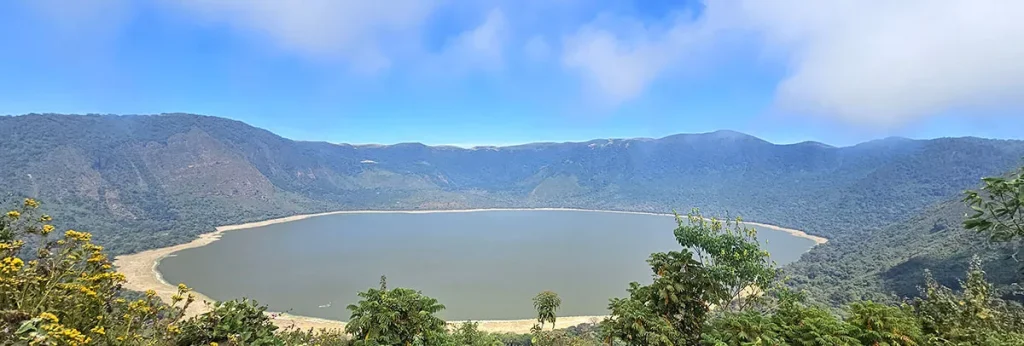
Our Blog

A Guide to Climbing Mount Meru, Tanzania

Introduction to Mount Meru Mount Meru (4,566 m) is a striking stratovolcano that dominates the landscape of Arusha National Park in northern Tanzania. Often referred to as Mount Kilimanjaro’s “little brother”, Meru may be smaller in size, but it offers an equally rewarding climb—and in some ways, even more demanding. As Africa’s sixth-highest mountain and Tanzania’s second-highest peak, Mount Meru is known for its dramatic cliffs, lush forests, and sweeping views of Kilimanjaro from the summit. The trail to the top leads through varied ecosystems, with the chance to encounter wildlife such as giraffes, buffalo, warthogs, baboons, and more, something rarely experienced on Kilimanjaro. While not as tall, Mount Meru’s route is steeper and more technical, requiring good fitness and some trekking experience. It’s often used as a high-altitude acclimatisation trek before attempting Kilimanjaro. Still, it also stands proudly as a challenging adventure in its own right, especially for those seeking fewer crowds and a more intimate wilderness experience. Why Climb Mount Meru? A Wilderness Trek with Wildlife Encounters Unlike most mountain climbs, your adventure begins right in Arusha National Park, meaning you start your ascent walking past giraffes, warthogs, and colobus monkeys grazing or swinging freely through the forest. This isn’t just a climb, it’s a walking safari!  Scenic, Serene, and Spectacular Mount Meru’s landscapes shift dramatically with altitude. The trail winds through dense rainforests, passes through open glades with giant fig trees, and climbs onto a knife-edge volcanic ridge, offering 360° views of the crater, ash cone, and the Great Rift Valley. The sunrise summit views of Mount Kilimanjaro glowing in the distance are nothing short of breathtaking. Perfect Kilimanjaro Acclimatisation Climbing Mount Meru is not just an adventure; it’s a strategic acclimatisation trek for those planning to summit Kilimanjaro. The altitude gain, daily hiking hours, and trail style mirror Kili’s early stages, offering a great warm-up. Getting to Mount Meru Mount Meru is located in Arusha National Park, just a 45-minute drive from Arusha town in northern Tanzania. The closest airport is Kilimanjaro International Airport (JRO), about 1–1.5 hours from Arusha, with international connections from Europe, the Middle East, and beyond. From Arusha, your operator will arrange transport to the Momella Gate, the starting point of the climb. Domestic flights also arrive at Arusha Airport (ARK) for those travelling within Tanzania. The Climbing Route: Momella Route Mount Meru is accessible only via the Momella Route, a four-day hike with hut accommodations. All treks require a park ranger escort due to the abundance of wildlife. Day 1: Momella Gate to Miriakamba Hut (1,500m to 2,514m) Your Mount Meru adventure starts at Momella Gate, the official entry point into Arusha National Park. This is where you register and meet your armed ranger, licensed mountain guide, and porters. The hike begins through lush savannah grasslands and lower montane forest, offering immediate wildlife sightings. It’s common to see giraffes, warthogs, buffalo, zebras, and bushbucks along the way. The trail meanders past scenic fig tree arches, waterfalls, and forest glades filled with birdsong and the calls of colobus monkeys. After approximately 4 to 6 hours of trekking, you arrive at Miriakamba Hut. This overnight rest point, situated at 2,514 meters, offers bunk-bed style lodging, solar lighting, toilets, and sweeping views of the Mount Meru crater below. Day 2: Miriakamba Hut to Saddle Hut (2,514m to 3,570m) On the second day, the trail climbs through dense upper montane forest, where the air grows cooler and the vegetation shifts to tree ferns, bamboo, and moss-covered branches. This stretch of the Momella Route is rich in birdlife, and you might catch glimpses of turacos, hornbills, and blue monkeys. Midway through the hike, you reach the scenic viewpoint of Mgongo wa Tembo, or Elephant Back Ridge, offering panoramic views across the Meru Crater and the distant plains. After a steady ascent of around 3 to 5 hours, you reach Saddle Hut, a peaceful alpine camp at 3,570 meters, nestled between Mount Meru’s summit and Little Meru. In the late afternoon, you have the option to hike to Little Meru (3,820m), a short but steep climb that provides stunning views of Mount Kilimanjaro to the east and is perfect for acclimatisation. This side trek helps prepare your body for the next day’s summit attempt. Day 3: Saddle Hut to Socialist Peak (4,566m) and back to Miriakamba Hut Summit day begins early, usually around 2:00 AM, as climbers leave Saddle Hut under the stars. The trail ascends steeply to Rhino Point (3,800m), then continues along a narrow volcanic crater ridge with jaw-dropping drop-offs. From here, the views of the Ash Cone inside the crater and the vast plains below begin to unfold. Climbers reach Cobra Point (4,350m) just before dawn. As the sky begins to lighten, the final push takes you to Socialist Peak, the summit of Mount Meru, at 4,566 meters. At sunrise, you’ll witness a surreal spectacle: Mount Kilimanjaro glowing on the horizon, the crater cliffs bathed in golden light, and the distant Great Rift Valley sprawling westward. After spending time at the summit, you begin your descent along the same route. You return first to Saddle Hut for a brief rest and hot breakfast, then continue your descent to Miriakamba Hut, where you will spend your final night on the mountain. Day 4: Miriakamba Hut to Momella Gate The final day is a relaxed descent from Miriakamba Hut back to Momella Gate. The trail winds through open forest, grassy meadows, and wooded glades, offering a last chance to spot wildlife and birds. Depending on the route taken, you may pass by waterfalls or take a shorter scenic path back to the park entrance. Upon reaching the gate, successful climbers receive a Mount Meru Summit Certificate, a proud memento of the incredible journey across this volcanic mountain, rich in both biodiversity and dramatic alpine scenery. Wildlife Encounters Along the Trail One of the most unique features of climbing Mount Meru is the immersive wildlife experience that begins the moment you set foot in Arusha National

Our Blog

How to Customise Your Safari in Tanzania

Customising your safari holiday in Tanzania depends somewhat on the length of time you have. Safari in Tanzania is generally split into four regions, known as circuits. We have the most popular Northern Circuit, the up-and-coming Southern Circuit and the somewhat remoter Western Circuit – and let us not forget Dar es Salaam and Zanzibar, which we include together as the fourth circuit. Our entire website, where appropriate, is organised into these four circuits. Staying for a few days in a Tanzanian City or only have a few days holiday? If you are stopping off in a Tanzanian city for a few days, you can efficiently plan or take short safari excursions from our suggested tours. Depending on which city you are staying in, you would then take excursions that are not too far away from there. For example, in Dar es Salaam, you would choose destinations in the southern circuit, e.g. Mikumi, Nyerere, Ruaha, Udzungwa, or Saadani National Parks. At a pinch, you could do a one-day safari to Mikumi, but it would be a rush; better two or even three days. Two or, better still, three days for Nyerere would work too. We can also arrange safaris in little-known destinations very close to Dar. Other southern circuit parks are Ruaha and the Udzungwa Mountains. If you are staying in Arusha, you can visit Arusha National Park, Lake Manyara, Tarangire, and Ngorongoro Crater in one day; however, two days would be better for Tarangire. In three days (or better still, four days including a chill out day) from Arusha, you could combine Tarangire N.P., Lake Manyara N.P. and Ngorongoro Crater. But with a few more days, you can add the wonderful Serengeti N.P. That would be the most popular destinations in the Northern Circuit, but there are more! Perhaps from Dodoma, you would choose the Western circuit, and in three to five days, you could visit the Gombe Stream National Park. But the Kitulo N.P. and Rubondo Island N.P. in Lake Victoria, which can just as easily be reached from Arusha, will need one or two days more. Have a week or two (or more) in Tanzania? Here you can afford (depending on budget) to choose from any of the safari circuits, or even decide to do more than one. However, for your comfort and to give you time to relax and get to know the area, sticking to one of the three primary safari circuits is perhaps the best option. All of those places mentioned in the top paragraph are at your disposal. With that bit of extra time, you can combine game drives with tribal visits, walking or canoeing safaris and even a trek in the mountains. Tanzania is your Oyster when you bring a little time with you! So talk to Kanuth, tell him how long you have, what your primary targets are (animals, tribes, places) and what your budget is (from backpacking through mid-range and luxury, or a mixture), and together you can plan an incredible safari in Tanzania. When combining the ranges of accommodation to suit your budget, lots of people find mid-range a good choice, especially for the first and last night, because you will have better (and private) bathing opportunities and a comfortable bed. Thus, you start and end your holiday refreshed. During the week(s), you might want to experience the real African bush in a public campsite or a backpacker lodge – you will meet lots of different people and nationalities and keep the budget down. Alternatively, Kanuth Adventure Safaris has connections to many luxury lodges. Please speak with our destination expert, Mr. Kanuth, now at 255 754 967 544 on WhatsApp, or send him an email to arrange a Skype session (or a similar alternative).

Our Blog

Lake Eyasi Travel Guide: Exploring the Beauty and Culture of Northern Tanzania

Introduction: Lake Eyasi is a shallow, seasonal lake situated in northern Tanzania’s Great Rift Valley, renowned for its stunning landscapes, diverse wildlife, and rich cultural heritage of local tribes. It is a vital part of the Great Rift Valley, contributing to the region’s geological and ecological diversity and offering a unique glimpse into the Earth’s natural history. Lake Eyasi’s unique features include its seasonal water levels, vibrant birdlife, and stunning desert-like landscapes. It is also home to the Hadza people, one of the last remaining hunter-gatherer tribes, making it a culturally rich and authentic travel destination for adventurers and eco-tourists alike. Geography and Environment: Lake Eyasi is located in northern Tanzania, southwest of the Serengeti and bordered by the Ngorongoro Conservation Area. Covering approximately 330 square kilometres, it is a shallow, seasonal lake whose size varies with rainfall. Ecologically, the lake sits within a semi-arid environment characterised by dry plains, sparse vegetation, and acacia trees. Its ecological setting supports a rich variety of birdlife and wildlife, including flamingos, herons, and migratory birds, creating a unique habitat that combines desert-like landscapes with essential biodiversity hotspots. Cultural Significance: The region around Lake Eyasi is home to fascinating and diverse tribes, most notably the Hadza hunter-gatherers and the Datoga pastoralists. The Hadza are one of the last remaining indigenous hunter-gatherer communities in Africa. They live a traditional lifestyle, relying on hunting, foraging, and gathering wild foods from the surrounding landscape. Their deep connection to the land and unique customs offer visitors a rare opportunity to learn about ancient ways of life that have persisted for thousands of years. The Datoga are pastoralists renowned for their expertise in cattle herding and metalworking. They maintain a vibrant cultural heritage, practising traditional ceremonies, crafts, and jewellery making. Their presence adds a colourful and artistic dimension to the region, providing insight into herding lifestyles and local customs. Together, these tribes enrich Lake Eyasi’s cultural tapestry, offering travellers authentic experiences and a chance to learn about their traditional practices and ways of life that have remained essentially unchanged for generations. Activities and Attractions: Birdwatching and wildlife viewing opportunities. Guided tours of the Hadza camps. Visiting local markets and learning about traditional crafts. Possible adventure activities like walking safaris or hiking. Conservation and Challenges: Environmental concerns at Lake Eyasi include fluctuating water levels due to seasonal changes and climate variability, which can impact local ecosystems and the livelihoods of surrounding communities. Overextraction of water resources and human activities such as farming and livestock grazing also pose threats to the habitat’s health. Additionally, habitat degradation and pollution may impact bird populations and wildlife that rely on the lake. Efforts are underway by local communities, conservation organisations, and government agencies to promote sustainable practices, protect vital ecosystems, and raise awareness about the importance of habitat preservation. Promoting eco-friendly tourism and responsible resource management is crucial to ensuring Lake Eyasi’s natural beauty and biodiversity are preserved for future generations. Travel Tips: Best time to visit: The best times to visit Lake Eyasi are during the dry seasons, from June to October and from December to February. During these months, the weather is generally sunny and less humid, making it ideal for wildlife viewing, cultural tours, and outdoor activities. The dry season also reduces water levels, attracting more birds and animals to the accessible lakeshore. Visiting during these periods ensures a more comfortable experience and better opportunities to observe the region’s unique wildlife and cultural traditions. How to get there: To reach Lake Eyasi, the nearest major airport is Kilimanjaro International Airport (JRO), located about 250 km southeast of the lake. From there, travellers can arrange guided tours or hire a private vehicle to transfer to Lake Eyasi, which typically takes around 4 to 6 hours by road. Alternatively, travellers can fly into Arusha Airport, then continue by road, which takes approximately 3 to 4 hours. Some visitors also choose to fly into the more distant Dar es Salaam Airport or Nairobi’s Jomo Kenyatta International Airport and then take a domestic flight or overland transfer to northern Tanzania. Once in the region, local roads and dirt tracks provide access to Lake Eyasi, and guided tours often include transportation from major cities like Arusha or Moshi for a convenient and smooth journey. Accommodation suggestions: For accommodation near Lake Eyasi, options range from eco-lodges to camping sites, catering to different preferences and budgets: Eco-lodges: Comfortable lodges and tented camps offer a blend of natural immersion and modern amenities. Many eco-lodges focus on sustainable practices and provide guided tours, cultural experiences, and scenic views of the surrounding landscapes. Camping: For a more adventurous experience, designated camping sites or mobile tents allow visitors to sleep under the stars. This option is ideal for nature lovers seeking an authentic, immersive experience close to wildlife and local communities. Some popular options include local eco-lodges run by community cooperatives, which support sustainable tourism and benefit the local tribes. It’s advisable to book in advance, especially during peak travel seasons, to ensure availability and the best experience. Tour Operator Recommendation Visiting Lake Eyasi offers a truly unique experience that combines breathtaking landscapes, rich biodiversity, and cultural immersion. Travellers have the opportunity to witness stunning wildlife and birdlife in a pristine, semi-arid environment while exploring the ancient traditions of the Hadza hunter-gatherers and Datoga pastoralists. The lake’s seasonal beauty, peaceful surroundings, and vibrant local cultures create an authentic, off-the-beaten-path adventure that immerses visitors in Tanzania’s natural and cultural heritage. It’s a destination that promises unforgettable memories and a deeper understanding of nature and indigenous traditions. For travellers looking to explore Lake Eyasi with ease and at a great value, Kanuth Adventure Safari is a recommended tour operator. We offer customizable safari packages, assist with accommodations ranging from eco-lodges to camping, and provide guided tours to make your experience seamless and memorable. Booking through Kanuth Adventure Safari can help you find better prices and ensure a well-organised trip tailored to your preferences.

Our Blog

A Comprehensive Guide for Tanzania Bird Watching Safaris

Overview Tanzania is a birdwatcher’s paradise, boasting over 1,100 bird species across a mosaic of landscapes from misty mountain forests and sunlit savannahs to lush wetlands and island shores. Whether spotting flamingos in soda lakes or listening for the rare Usambara akalat in mountain thickets, the country offers an unforgettable avian adventure. With resident and migratory birds, including more than 30 endemic species, Tanzania is one of Africa’s finest birding safari destinations. This guide explores the top birding hotspots, the best times to visit, practical tips, and what to pack for your bird watching journey. Where to Go for Tanzania Birding Safaris Serengeti National Park Serengeti National Park is celebrated for the Great Migration and large predators, yet its vast ecosystem makes it a phenomenal destination for birding. The park supports over 500 bird species, thanks to its diverse environments, including open grasslands, wooded savannahs, and riverine forests. Among the iconic birds found here are the Kori bustard, Secretary bird, and various species of vultures and raptors that dominate the skies. During the wet season from November to April, the Serengeti welcomes an influx of migratory birds, with colourful bee-eaters, swallows, and warblers adding to the vibrant birdlife. Birding is most rewarding early in the morning or late in the afternoon when many species are active and easily visible. Lake Manyara National Park Nestled at the Rift Valley escarpment base, Lake Manyara National Park is a compact yet remarkably diverse birding destination. The shallow alkaline lake is a seasonal home to thousands of flamingos, pelicans, spoonbills, and storks; the groundwater forest harbours hornbills, turacos, and the elusive crowned eagle. The park’s habitats support over 400 bird species, making it an ideal spot for waterbirds and forest dwellers. The wet season enhances birding opportunities, with breeding activity and an influx of migratory species. Arusha National Park Located just a short drive from Arusha town, Arusha National Park offers varied birding environments, including alpine meadows, montane forests, and freshwater lakes. The park is a stronghold for species like the Hartlaub’s turaco, Bar-tailed trogon, and Black and white casqued hornbill. Lake Momella attracts waterbirds, including Egyptian geese, herons, and flamingos. Arusha is ideal for short birding trips and is especially rewarding for those seeking forest species often missed in the drier parks. Tarangire National Park Tarangire National Park is renowned for its large elephant herds and offers superb birding opportunities. The park’s varied landscapes, including savannahs, swamps, and acacia woodlands, provide habitat for over 550 bird species. Key species include the Ostrich, Yellow-collared lovebird, and the rare and elusive Ashy starling. During the wet season, Tarangire’s swamps attract a variety of waterfowl and waders, such as the Lesser flamingo and the Great white pelican. The park’s birdlife is incredibly vibrant in the early morning and late afternoon, making these times ideal for birdwatching. Ngorongoro Conservation Area Ngorongoro is not only a geological wonder but also a superb birding region. The highland forests along the crater rim support montane species such as the Golden-winged sunbird and Tacazze sunbird, while the crater floor attracts waterbirds to its lakes and marshes. Crowned cranes, Augur buzzards, and Verreaux’s eagles are among the striking species regularly seen. Birding in Ngorongoro is enhanced by its scenic backdrop and the opportunity to combine birdwatching with big game viewing. Usambara Mountains The Usambara Mountains, part of the ancient Eastern Arc range, are among the most critical areas for endemic and forest birds in East Africa. These lush, mist-covered mountains are home to species found nowhere else, such as the Usambara weaver, Usambara akalat, and Banded green sunbird. The forests echo with the calls of rare species and offer a serene and intimate birding experience. Birding here is best done on guided walks with local specialists who can identify subtle calls and elusive birds hidden in the canopy. Lake Victoria Lake Victoria, Africa’s largest freshwater lake, offers rich birding experiences along its shores and islands. The lake’s ecosystems, including papyrus swamps, rocky islets, and sandy beaches, attract a wealth of waterbirds and wetland species. Birders can expect species like the Papyrus gonolek, Goliath heron, African openbill, and various kingfishers and cormorants. The lake’s quiet bays and nearby wetlands make it a peaceful birding destination, ideal for combining boat trips with shore walks. Rubondo Island and the Musoma shoreline are particularly productive spots for birdwatching around Lake Victoria. Nyerere National Park (formerly Selous Game Reserve) Nyerere National Park is Africa’s second-largest protected area and a treasure trove for birdwatchers. With its diverse habitats, rivers, lakes, miombo woodlands, and wetlands, the park supports over 440 recorded bird species. Common sightings include the Böhm’s bee-eater, White-fronted bee-eater, African spoonbill, Pel’s fishing owl, Pink-backed pelican, African skimmer, and Yellow-billed stork. The Rufiji River system is particularly productive for birding by boat, especially early in the morning or late in the day. Ruaha National Park Ruaha is Tanzania’s second-largest national park and arguably one of the top birding destinations in East Africa. Over 570 bird species have been recorded here, making it a must-visit for enthusiasts. The mix of miombo woodland and open savannah supports various species, from the spectacular Purple-crested turaco to the rare Eleanora’s falcon. Specialities of Ruaha include the Crested barbet, Ashy starling, Tanzanian red-billed hornbill, and Ruaha chat, some of which are near-endemics or restricted to south-central Tanzania. Udzungwa Mountains National Park Part of the Eastern Arc range, the Udzungwa Mountains are a hotspot of endemism and a dream for forest birders. This area harbours species found nowhere else in the world. Birders can seek out the Udzungwa forest partridge (one of the rarest birds in Africa), Rufous-winged sunbird, Dapple-throat, and Banded green sunbird. The forests are rich but require some hiking, making it ideal for more adventurous and fit birders looking for rare finds. Sought-After Bird Species in Tanzania Tanzania is a dream destination for birdwatchers because of its species diversity and several rare, endemic, and highly sought-after birds. The country offers thrilling opportunities to spot iconic and elusive species from

Our Blog

Cultural and Historical Tours in Tanzania

Cultural Experiences Tanzania’s cultural tours offer deeply enriching encounters with over 120 ethnic communities, each with its own language, customs, crafts, and way of life. From the iconic Maasai warriors of the savannah to the Swahili traders of the Indian Ocean coast, every region holds a story that reflects centuries of resilience, tradition, and identity. Cultural tourism in Tanzania is not only about observing, it’s about engaging. These experiences promote authentic connections, support local livelihoods, and play a crucial role in preserving intangible heritage. Visitors are invited to take part in a wide array of daily life activities including: Traditional dances and music that tell stories of ancestry and spirituality Farming and food preparation using indigenous methods and crops Bushcraft and hunting techniques from ancient hunter-gatherer societies Craft making, from intricate beadwork and weaving to wood carving and pottery Local cuisine experiences, such as tasting banana beer or grinding coffee by hand Storytelling and oral history, passed down across generations Each cultural tour provides not just a memory, but a transformative exchange. Through respectful interactions, travelers gain insight into Tanzania’s social fabric—experiencing not just where people live, but how they live, why they celebrate, and what they value. Popular Destinations for Cultural Tours in Tanzania Maasai Bomas and Villages – Ngorongoro & Monduli A visit to the Maasai communities near Ngorongoro and Monduli offers an up-close look at one of East Africa’s most celebrated cultures. Guests are welcomed into traditional Maasai bomas, circular homesteads made from mud and thatch, and learn about their semi-nomadic lifestyle around cattle herding. Visitors observe warrior dances, traditional songs, and the famous jumping competition. Tours include explanations of their attire, beadwork, and the significance of age-group rituals. Maasai guides often share knowledge of indigenous herbs and traditional healing practices, providing a window into their spiritual world. Lake Eyasi – Hadzabe and Datoga Tribes The cultural experience at Lake Eyasi introduces travellers to the Hadzabe, Tanzania’s last remaining hunter-gatherers, and the Datoga, traditional blacksmiths. Early morning excursions allow visitors to participate in hunting trips with the Hadzabe, using bows and arrows made on-site. Their bush survival techniques, language based on clicks, and simple shelters reflect a way of life unchanged for thousands of years. Nearby, the Datoga people demonstrate their metalworking skills, creating tools and jewellery through ancient forging techniques. The region’s serene lakeside and forested surroundings enhance the immersive cultural journey. Mto wa Mbu – A Cultural Crossroads of 120+ Tribes Mto wa Mbu is a vibrant and unique village where over 120 tribes across Tanzania coexist peacefully. Cultural tours here offer a multicultural experience, where guests explore banana plantations, rice fields, and bustling markets. Visitors can see traditional irrigation systems developed by local farmers, sample banana beer brewed in clay pots, and learn how such a diverse community thrives together. Walking or cycling through the village reveals daily life, from food preparation and storytelling to woodworking and art-making. Arusha Region – Ng’iresi and Mulala Villages Just outside Arusha town, the Ng’iresi and Mulala villages offer immersive tours led by the Waarusha and Wameru tribes. In Ng’iresi, visitors are introduced to sustainable farming techniques used on the slopes of Mount Meru and learn about traditional homesteads and healing plants. In Mulala, the Agape Women’s Group welcomes guests into their homes for cheese-making demonstrations, coffee roasting, and the preparation of local dishes. The surrounding hills provide scenic walks with stunning views of the Arusha landscape, blending cultural discovery with natural beauty. Marangu Village – Chagga Culture at Kilimanjaro’s Base Situated on the lush foothills of Mount Kilimanjaro, Marangu Village offers deep cultural insight into the lives of the Chagga people. Tours include visits to traditional Chagga homes, underground caves once used for protection during tribal conflicts, and ancient irrigation systems still in use today. Guests can interact with local blacksmiths, sample home-brewed banana beer, and enjoy performances of traditional songs and dances. A short hike to the Kinukamori Waterfall and a warm Chagga lunch round out this engaging cultural and nature experience.  Historical Landmarks and Sites Tanzania’s history is as deep as its landscapes are vast. From Stone Age discoveries to Swahili trading empires, German and British colonial rule, and spiritual cave sites, these landmarks reveal the nation’s complex and fascinating past. Stone Town, Zanzibar – UNESCO World Heritage Site Stone Town is the historical heart of Zanzibar City and one of the most culturally significant urban centres in East Africa. This UNESCO World Heritage Site showcases a blend of Arab, Persian, Indian, and European architectural styles, reflecting centuries of trade and cultural exchange across the Indian Ocean. Wandering through its maze-like alleyways, visitors encounter ornate wooden doors, sultan’s palaces, spice markets, ancient mosques, and colonial-era churches. Key sites include the Old Fort, House of Wonders (Beit al-Ajaib), and the Anglican Cathedral, built on the site of a former slave market. The Old Dispensary and Tipu Tip’s House tell stories of Zanzibar’s prominent figures and the Arab slave trade. Cultural experiences include Swahili music (Taarab), traditional dhow boat sailing, and local cuisine infused with clove, cardamom, and cinnamon—remnants of Zanzibar’s spice legacy. Bagamoyo – Slave Trade & Mission History Bagamoyo, meaning “Lay Down Your Heart”, is one of Tanzania’s oldest towns and a former key port for enslaved persons and ivory caravans from the interior to the coast. It was the last stop for many enslaved people before crossing the ocean to Zanzibar and beyond. The town holds deep historical significance with attractions such as the Old German Fort (Boma), the Catholic Mission Museum (which once hosted explorer David Livingstone’s body before burial), and the Kaole Ruins, an ancient Swahili settlement dating back to the 13th century. Visitors walk along historic streets once travelled by missionaries, traders, explorers, and colonial administrators. Today, Bagamoyo is also a centre for Swahili culture and art, home to the Bagamoyo College of Arts, where traditional drumming, dancing, and carving thrive. Kilwa Kisiwani & Songo Mnara – Medieval Swahili Ports (UNESCO World Heritage Sites) Located off the southern coast of

Our Blog

Travel Guide to Kitulo National Park

Welcome to God’s Garden – Kitulo National Park A wilderness worth exploring! The montane grassland and the Kitulo Plateau make this area a stunning place to visit. The lovely view of the plains with some flowers which are the most beautiful creations of the ALMIGHTY, created to spread smiles to mankind through their sweet smell and attractive appearance, including the birds, makes this place stay in someone’s heart forever. Vast rolling plains and grassland, butterflies, birds, plants and incredible views will also make your stay unforgettable. The meagre natural life in the park comprises the hypnotising plants, delightful birds and beautiful butterflies. Brief History of the Park The park’s history goes back to 1870, when Frederick Elton, an explorer, visited the area. In the 1960s, a large area was taken by the United Nations Food and Agriculture Organisation for the Wheat and Sheep Schemes. Since neither wheat nor sheep thrived in the region, in 1972 the area was turned into a dairy farm, which remains active. As a result of concerns from conservation bodies and various stakeholders, part of the farm, Livingstone and Nhumbe Forest Reserves, was declared Kitulo National Park on 16th September 2005 by government notice 279. Kitulo covers an area of 465.9 sq km and is a botanist’s fantasy with more than 350 types of vascular plants, including 45 terrestrial orchids. Local people allude to “Bustani ya Mungu”, which signifies “God’s garden” in Swahili. Best Time to Visit Kitulo National Park Wildflower Season (December to April) The wet season from December to April is ideal if you’re drawn to vibrant floral displays. During this period, the park, often called the “Serengeti of Flowers,” bursts into colour with over 350 plant species, including more than 45 varieties of orchids, blooming across its montane grasslands. This season also attracts migratory birds, making it a prime time for birdwatching. However, be prepared for cooler temperatures, ranging from 7°C to 18°C, and occasional rainfall, which can make some trails challenging to navigate. Dry Season (May to October) For those interested in hiking and wildlife viewing, the dry season from May to October offers clear skies and temperate weather. This period is ideal for exploring the park’s trails and observing animals congregating around water sources. However, note that from May to August, the park’s mountains and plains are often shrouded in mist and cloud, reducing visibility. How to get there The park can be accessed from Mbeya town, about 110 Km away via Chimala road and 70 Km via Isyonje road. It is about 90 Km from Songwe Airport. The park can only be reached by road. By Air: Through Songwe Airport, 90 km via Isyonje and 125 km via Chimala, a small town to Kitulo. By Road: Mbeya city-Isyonje- Kitulo is 70 kms: Mbeya city-Chimala-Kitulo is 103 kms: Njombe town-Ikonda-makete-Kitulo is 165 kms. By Railway: Through railway transport Tanzania-Zambia (TAZARA), Iyunga and Makambako stations. Songwe Airport is an airport in the southern highlands region of Tanzania serving the city of Mbeya and the nearby areas. It can accommodate commercial jet traffic. Air Tanzania, Precision Air, and Tropical Air provide domestic flight services.  Best Attractions in Kitulo National Park Kitulo Plateau The plateau is characterised by three main vegetation types, including: well-drained grassland on volcanic soils with species like Aster transaniesis, Kniphofia Grantii and others, seasonally or permanently in undated bogs with species such as Lobelia and Gladiolus. Rocky ridges and associated talus slopes on soil are also derived from metamorphic rocks with species like Moraea callista and Romulea companuloides. Flowers Flowers The park is one of the incredible flower gardens of the world, with over 40 species of ground orchids alone. Flowers come out in their thousands, making an unparalleled carpet of colour, especially from late November to April. Physical Features and Vegetation Kitulo National Park is floristically rich with at least 350 species of vascular plants documented so far from the plateau. Kitulo highlands appear to be significant geographical grounds for species typical of the Eastern and Southern Africa region. They are extremely rich in endemic and rare species that are not protected elsewhere in Tanzania. Mount Livingstone Forest Some of the tree species in the forest are Hagenia abyssinica, Ocotea usambarensis, Juniperus procera, and Khaya anthoceca. The forest is also characterised by mountain Bamboo (Sinarundinaria alpina). Kitulo is rich in flora species with 350 species of high plants recorded, including 45 species of terrestrial Orchids, of which 31 species are endemic to Tanzania, 16 are endemic to Kitulo and Poroto Mountain, and at least three species are endemic to Kitulo National Park. Two species are only known to be in Kitulo and the adjoining forest. The abundance of plants in the wet season has been described as the greatest flora marvel of the World. Nhumbe Valley This is often referred to as the jewel of the Park, where small streams emerge from the grassy hill sides, sometimes cascading down in little waterfalls, thus forming the headwater for the Nhumbe River, one of the main tributaries of the Great Ruaha River. A Juniper forest occupies the gap of the valley, one of the most extensive in East Africa. They tower to 50 m high and are the tallest junipers in the world. Nhumbe Waterfall Its height is approximately 100 meters. The waterfall is 20 km from Mwakipembo main gate and takes one hour to walk down the waterfall and up to the picnic site. You can cool your body there and take brilliant photos.  Mwakipembo Waterfall It is located along the road to Nhumbe valley, 4 km from Mwakipembo main gate, and its height is 8 meters. Orchid, everlasting, Erica, and Clematis uhehensis characterise the area. Kitulo National Park Wildlife Africa’s first new monkey species for over 20 years has been discovered in remote mountains in southern Tanzania. (Rungwecebus Kipunji), This long-forested primate was first discovered by a conservation biologist from the Wildlife Conservation Society (WCS) on the 2961 m (10,000 ft) Mt. Rungwe and Kitulo National Park flanks.

Our Blog

The Complete Guide to Udzungwa Mountains National Park

Complete Guide to Udzungwa Mountains National Park The park uniquely hosts some endemic flora and fauna that cannot be found anywhere on earth, hence called the “centre of endemism.” The pristine vegetation has a closed canopy cover, and woodland and moorland at higher altitudes. The park is honoured to be the Galapagos of Africa and one of the world’s few remaining “biodiversity hotspots”. Udzungwa is a magnet for hikers, with an excellent network of forest trails that include the popular half-day ramble to Sanje waterfall, which visitors are attracted to see primates like sanje mangabey and Iringa colubus Monkey, forest birds, amphibians, reptiles, plants and much more. Brief History of the Park The area was gazetted to be a National Park in 1992 with an area of 1990 sq km. The word “Udzungwa” originated from the word “Wadsungwa”, referring to one of the native sub tribes of the “Hehe” community who once lived on the lower slopes of the mountains. Udzungwa Mountains Climate The park receives Short rains from October to November, and the long wet season starts from November to April, when wild flowers flourish and there are plenty of butterflies. For bird watchers, December to February is their best time as most migratory birds nest in the park and are easily spotted. The maximum temperature is 310C in October, with the minimum at 21 0C in July. Udzungwa National Park Attractions Waterfalls Several waterfalls, including the famous Sanje waterfall, plunge 170 metres through a misty spray into the forested valley below. This waterfall is the highest in Tanzania’s national parks system. Other waterfalls include Prince Bernhard, Njokamoni, Mwaya, Sonjo, and Msolwa, which will spice up your visit. Reptiles  Several Reptiles and Amphibians, including the endemic Udzungwa lizards (Cnemaspis Udzungwae) and (Phrynobatrachus Udzungwensis), as well as endemic chameleons, are also available. • The Udzungwa is a primate park; currently, 11 species have been identified. Among them are two species found nowhere else, the Sanje Crested Mangabey (Chlorocebus galeritus sanjei) and Iringa Red Colobus Monkey (Colobus gordonorum). Butterflies Over 250 species of butterflies, including the endemic Charaxes Lucyae Mwanihanae, Papilio hornimanii Mwanihanae and Baliochilla Mwanihanae, have been identified, making udzungwa an ideal place for those who wish to see this paradise of butterflies. Natural Spring Natural springs on the upper stream of the catchment forest form various permanent rivers (Lofia, Msosa, Mwaya, Mkula, Rumemo, Sonjo, Ruipa) that flow and pour water into the famous Kilombero Valley. Visiting this spring and listening to water splashing on the rocks leaves a memory to remember. Cultural and Historical Sites Udzungwa Mountains National Park contains more documented cultural and historical sites than any other Tanzanian Park. Within the park, several historical and cultural sites offer the chance to explore the history of different tribes from the Southern regions of Tanzania. Many of these tribes inhabited Udzungwa Mountains National Park before its gazettment, but lived in a settlement adjacent to the park. These settlements are good examples of the continued migration of people within the area. Some must-see sights include the ancient Mwanaluvele salt caves on the park’s western side and the Magombelema caves; the locals used both during the colonial wars as hideouts. The Bokela and Mwanihana Mountains are found on the park’s eastern side and are sacred areas that the villagers still use as places of worship during times of hardship, such as famine, drought, and disease. Chavemba and Nyumbanitu are similar ritual places on the park’s western side. They are also excellent sites for tourism activities and trekking. The forest is also considered of great spiritual value to adjacent communities, home to numerous deities, false gods/goddesses. Bird species The park has 400 bird species, including migratory and non-migratory species, with two endemic to the park (Udzungwa forest partridge and Rufous-winged sunbird). Tropical Rainforest Universally considered the World’s Wettest Ecosystems lie in the Tropics, between the Tropic of Capricorn and the Tropic of Cancer. Comprehensively characterised by very high annual rainfall, high average temperatures and humidity, nutritious soil, and high levels of biodiversity (species richness). The forests have a magnificent view of a natural tropical rainforest that hosts approximately 2,500 different plant communities/ species of cultural, ecological, economic, historical, educational and medicinal values. The forests act as a major tourist attraction. They are best for hiking when experiencing a soundless forest walk surrounded by various flowers, birds, butterflies, frogs, snakes, chameleons, primates and a beautiful view of the numerous waterfalls that vacationers adore. ‘The consistent sunlight provides the essential energy necessary to power the forest via photosynthesis; Temperatures are generally moderated by cloud cover and high humidity. ’ Tourism Activities Hiking to the waterfalls and forest: Hiking in the forest while enjoying watching most primates, waterfalls, birds, reptiles, and amphibians makes your day. Hiking is mainly done throughout the year, but is ideal during the dry season. Mountain climbing: The park offers a chance to summit the highest peaks of Luhomero and Mwanihana while enjoying the scenic view of the lower slopes and farms in the Kilombero valley. Photographing and Filming: This activity can be done throughout the year. During short rains, photographic safaris can be more exciting in the park as it is the time when wild flowers flourish and there are abundant butterflies. Moreover, most migratory birds can be seen during this time. Cycling Tour: Bicycle touring takes self-contained cycling trips for pleasure, adventure or independence rather than sport, commuting or exercise. This tour can be made successful in collaboration with the tourism office. The tour can range from single-day trips to multi-day trips. Cycling tourism also refers to leisure trips where cycling is the primary purpose. In this context, the bicycle is not just a means of transport but an integral part of the travel experience. The strength varies from soft cycling, enjoying the scenery while gently pedalling on a bicycle, to hardcore cycling, where physical fitness is the primary goal.Meanwhile, cycling tourism is considered soft adventure or sports tourism. The tourist can ride straight to the local market,

Ultimate Guide to Hiking in Tanzania
Our Blog

The Ultimate Travel Guide to Katavi National Park

Katavi National Park is one of Tanzania’s last remaining wilderness frontiers—remote, raw, and rarely visited. Located in the far west of the country near Mpanda, this vast national park spans 4,471 square kilometres of untouched savannah, floodplains, rivers, and miombo woodlands. Established in 1974, Katavi remains off the beaten track and offers a profoundly authentic safari experience far removed from the crowds of northern Tanzania. Explore the magnificent landscapes in search of wildlife in a safari vehicle or set off on foot to discover the details of the bush. At Kanuth Adventures, we are genuinely thrilled to be part of your holiday, and we invite you to explore this hidden gem, where nature still rules and every safari feels like a private adventure. Brief history of the park According to local legend, the park is named after the Wabende spirit, katabi, who lives in a tamarind tree near Lake Katavi. Locals looking for blessings from his spirit still leave offerings at the foot of the tree. It was gazetted in 1974 with an area of 2,253 km2, followed by the annexation of 2,218 km2 in 1997, making a total area of 4,471 km2. Getting there By Air: Private flight that lands at Mpanda airport, Sitalike airstrip or Ikuu airstrip inside the park. Also, there is a public flight three times a week from Dar es Salaam. By Road: From either Dar es Salaam via Mbeya (1513km), Dar es Salaam via Tabora (1392km), Arusha via Tabora (1015.7km) or Mwanza via Tabora-Inyonga (741km) By Rail: It is also possible to reach Mpanda by train from Dar es Salaam via Tabora, then catch a public transport to Sitalike, where a game drive can be arranged. From Mpanda to Sitalike Gate, it is only 38 km. The Best time to visit Katavi National Park – Dry Season (June to October): The best time for wildlife viewing. Water sources shrink, and animals gather in large numbers. Roads are accessible, and game viewing is at its peak. – Green Season (November to April): The landscape turns lush and green. It’s an excellent time for birdwatching and scenery photography, though wildlife is more spread out, and road travel can be difficult. What Makes Katavi Special? Its remoteness and low visitor numbers create an unmatched solitude and exclusivity. This is one of the few places in Africa where you might drive for hours and not see another vehicle, just wildlife and broad horizons. During the dry season, the park’s river systems shrink to muddy pools, forcing animals to gather in extraordinary numbers. You can witness over a thousand buffalo in a single herd, see hippos crammed by the hundreds into drying waterholes, and experience the thrill of watching lions, leopards, and hyenas hunt as the tension of survival intensifies. Wildlife Highlights in Katavi National Park Katavi offers some of the most intense and unfiltered wildlife encounters in Africa. Key species include: Buffalo – Giant herds, sometimes over 1,000 strong Elephants – Large groups near rivers and floodplains Lions – Often seen hunting buffalo Leopards – Stealthy predators spotted in woodlands Hippos & Crocodiles – Crowded around shrinking pools Giraffes, zebras, topis, waterbucks, and impalas Rare sightings: Roan antelope, sable antelope, African wild dogs Key Attractions The volume of game in Katavi is outstanding. Huge herds of buffalo and vast lion prides duel daily, whilst hippos and crocodiles gather in pods and nests not found elsewhere in Africa. The huge hippo pool can accommodate at its peak, and nowhere else in Africa do crocodiles hibernate in numbers as dense as they do here. Flood plains, reeds and dense waterways are home to a colossal hippo and various birds. The forest canopies shroud her buffalo and elephants. This park is also home to the rare roan and sable antelope species, and it’s a must-see for visitors intending to explore the wilds of the continent. Buffalo, elephant and zebra are the most abundant. Each population boasts thousands and thousands of individuals, and herds of buffalo are often triple the size one would find in the Serengeti. Katisunga Floodplains These vast, golden plains are Katavi’s heart. They become a bustling wildlife hub in the dry season, hosting large numbers of buffalo, zebra, elephants, and predators. Katuma River and Seasonal Lakes The Katuma River, Lake Katavi, and Lake Chada attract wildlife during the dry season. Hippos jostle in tight pools, crocodiles lurk on the banks, and birds gather in colourful flocks. Crocodile Caves Located near the riverbanks, these caves are used by crocodiles during the dry season and are a unique geological and ecological feature of the park. Birdwatching Havens With over 400 bird species, including fish eagles, storks, kingfishers, and the rare Pel’s fishing owl, Katavi is a paradise for bird enthusiasts. Tamarind tree A tamarind tree near Lake Katavi holds significant cultural importance. Locals believe that the spirit of Katabi, a legendary hunter named after the park, resides within the tree. Visitors and locals often leave offerings at the tree’s base, seeking Katabi’s blessings.  Activities Exciting Game Drives Explore the untouched wilderness of Katavi on thrilling game drives led by expert guides from Kanuth Adventure Safaris. Morning and evening drives offer the best opportunities to witness the park’s dramatic wildlife interactions, buffalo herds in the hundreds, predators on the prowl, and elephants moving through golden plains. Our open 4×4 vehicles are ideal for photography and close encounters. Every game drive feels exclusive thanks to the park’s low visitor numbers. Walking Safaris For a deeper connection with nature, walking safaris in Katavi provide an unforgettable experience. Accompanied by an armed ranger and professional guide, you’ll explore the bush on foot, learning about tracks, animal behaviour, bird calls, and medicinal plants. It’s a chance to experience the wild up close and at ground level, far from the hum of engines. These walks offer a fresh appreciation of the ecosystem’s more minor but equally fascinating details. Photographic Safaris Katavi’s raw beauty and minimal crowds make it a paradise for photographers seeking untamed Africa.

Our Blog

The Big Five Safari in Tanzania – Detailed Guide

What are the Big Five? The Big Five originally referred to five of Africa’s most challenging and dangerous animals to hunt on foot: the lion, leopard, elephant, buffalo, and rhinoceros. The term comes from early big-game hunters, not from the animals’ size, but from the challenge and risk of tracking and hunting them. Today, the meaning has shifted; the Big Five are now the most iconic and sought-after animals to see on an African safari. For wildlife lovers and photographers, spotting all five in their natural habitat is a dream come true and a proper badge of safari adventure. Each member of the Big Five represents power, mystery, and the untamed spirit of Africa’s wild places. Together, they embody the heart and soul of the African wilderness. Lion – The King of the Savannah Scientific name: Panthera leo Character: Dominant, powerful, social Description:The lion is the most iconic of the Big Five — a symbol of strength and leadership. Males are instantly recognisable by their flowing manes, while females lead the pride’s hunting missions. Lions are the only genuinely social big cats, living in prides of up to 30 individuals. Their thunderous roar can be heard up to 8 km away. Best places to see: Serengeti National Park, Mikumi, Ruaha, Lake Manyara, Katavi, Saadani,Ngorongoro Crater, Tarangire, Nyerere (Selous) Leopard – The Ghost of the Trees Scientific name: Panthera pardus Character: Elusive, solitary, stealthy Description:Leopards are masters of camouflage and stealth, making them the most challenging Big Five animal to spot. With beautiful rosette-patterned coats and powerful builds, they move silently through trees and grasslands. They are primarily nocturnal and often haul their prey up into trees to avoid scavengers. Best places to see:  Serengeti National Park, Nyerere (Selous),Ruaha, Ngorongoro,Arusha,Mikumi,Katavi, Mkomazi Elephant – The Gentle Giant Scientific name: Loxodonta africana Character: Intelligent, emotional, massive Description:African elephants are the largest land animals on Earth, known for their immense size, floppy ears, and deep familial bonds. Elephants are highly intelligent and emotional, mourning their dead and passing down knowledge across generations. The best places to see are Tarangire National Park, Serengeti, Ngorongoro Crater, Selous, Udzungwa Mountains, Arusha National Park, Katavi, Ruaha, Mikumi, and Nyerere. Buffalo – The Fearless Fighter Scientific name: Syncerus caffer Character: Tough, unpredictable, resilient Description:The African buffalo, sometimes called “the Black Death,” is a powerful and unpredictable beast. They are notorious for standing their ground against predators, even lions, and move in large herds. Best places to see: Ngorongoro Crater, Serengeti, Tarangire,Nyerere, Ruaha,Katavi,Mikumi,Arusha National Park. Rhinoceros – The Ancient Armor Scientific name: Diceros bicornis (Black Rhino) Character: Solitary, aggressive when threatened, endangered Description:Rhinos are ancient creatures, resembling armoured tanks with thick, folded skin and prominent horns. The critically endangered Black Rhino is solitary and usually seen browsing on shrubs and trees. Best places to see: Ngorongoro Crater, Mkomazi Rhino Sanctuary Best Time to Spot the Big Five – Dry Season (June to October): The best time for Big Five sightings. Animals gather at rivers and waterholes, making them easier to find. Grass is short, and the weather is clear, improving visibility. – Green Season (November to May): The landscape is lush and full of life, and although animals are more scattered, it’s a magical time with fewer tourists and many newborn animals. Plan Your Big Five Safari with Us! If you plan to experience the Big Five in Tanzania, let us help you make it unforgettable! Kanuth Adventure Safaris we are specialises in tailor-made wildlife safaris that bring you close to Africa’s legendary Big Five. We’ll guide you through the best spots for thrilling sightings, expert guiding, and authentic African adventure. Contact us today at +255 754 967 544  and start planning your journey into the wild!

Our Blog

The Complete Guide to Ruaha National Park

About Ruaha National Park Ruaha National Park, located in the Iringa region of south-central Tanzania, is the country’s largest national park, spanning over 20,000 square kilometers. It offers a unique, off-the-beaten-path safari experience. Known for its rugged landscapes, diverse wildlife, and lower tourist traffic compared to northern parks, Ruaha is a hidden gem for nature enthusiasts. The park is named after the Great Ruaha River, which winds along its southeastern border and serves as a crucial water source for wildlife. It is a part of a larger ecosystem  that includes the Rungwa, Kizigo, and Muhesi game reserves, creating a vast, wild habitat for elephants, big cats, giraffes, and rare species like the African wild dog and various bird species. Wildlife in Ruaha National Park Ruaha National Park is renowned for its exceptional biodiversity and supports one of the most impressive concentrations of wildlife in East Africa. The park hosts a large population of elephants. It also has a significant number of big cats, including lions often seen in large prides leopards, and cheetahs. Other commonly sighted mammals include African wild dogs, hyenas, giraffes, zebras, greater and lesser kudu, sable and roan antelope, impalas, and buffalo. Ruaha is one of the few parks in Africa where both greater and lesser kudu can be seen. The Great Ruaha River and its surrounding areas attract a variety of animals during the dry season, providing excellent game viewing opportunities. In addition to mammals, the park is a sanctuary for more than 570 bird species, making it a top destination for bird lovers throughout the year. Best Time to Visit The dry season, from June to October, is the best time for wildlife viewing. Animals are easier to spot as they congregate around rivers and waterholes, and vegetation is sparse. The wet season, from November to April, transforms the landscape into a lush green expanse and is ideal for birdwatching and photography due to the presence of migratory birds and blooming flora. Getting There Ruaha can be accessed by road from Iringa, though the drive can be long and challenging, especially in the rainy season. Charter flights are more convenient and land at either Msembe Airstrip near the park headquarters or Jongomeru Airstrip, making access much easier for safari-goers. Key Attractions in Ruaha: – Great Ruaha River: The heart of the park and its most reliable wildlife viewing area. Hippos, crocodiles, and a variety of animals come here to drink, especially during the dry season. – Mwagusi Sand River: A dry riverbed that teems with wildlife during the dry season. Several renowned camps are located along its banks, offering prime viewing right from camp. – Baobab Forests: Towering, ancient baobabs punctuate the landscape, adding to Ruaha’s visual charm and ecological richness. – Remote Wilderness Areas (Ilonga, Jongomeru): These less-visited regions offer more secluded experiences, often accessible via fly-in safaris or extended game drives. – Rocky Outcrops & Escarpments: Ruaha’s escarpments and rock formations provide excellent vantage points for viewing landscapes and spotting birds of prey and small mammals like klipspringers. Top Activities(Things to do in Ruaha National Park) Ruaha offers a variety of engaging activities and scenic highlights that make it a top destination for wildlife lovers and adventure seekers: – Game Drives: Early morning and late afternoon drives are the best times to see Ruaha’s iconic wildlife, including elephants, lions, leopards, giraffes, and antelope. The park is especially famous for its large lion prides and diverse carnivore population. – Walking Safaris: Guided walks offer a more intimate look at the park’s ecosystem, including plant life, animal tracks, and small creatures often missed during vehicle safaris. These are led by armed rangers and experienced guides. – Bird Watching: With over 570 species, Ruaha is a birding hotspot. Birdwatchers can spot hornbills, fish eagles, kingfishers, and many migratory birds, especially between November and April. – Photography Safaris: The dramatic landscapes, ancient baobabs, and intense wildlife interactions make Ruaha a dream for photographers. – Cultural Tour: This includes a culture visit to local Hehe or Maasai villages outside the park, providing insight into traditional Tanzanian cultures, crafts, and lifestyles. Accommodation Options – Park Bandas: Basic government-run accommodations ideal for budget-conscious visitors.– Mid-Range Lodges: Comfortable lodges offering essential amenities, meals, and guided activities.– Luxury Camps: Upscale tented camps that provide premium comfort, expert guides, and a secluded wilderness experience. Booking ahead is recommended, particularly during peak season. Kanuth Adventure Safaris is here to help you experience it all. From suggesting the best travel dates and routes to arranging accommodation and experienced guides, we make the process smooth and worry-free. We can assist with the entire planning and booking process to Ruaha, your adventure starts here!

Our Blog

The Ultimate Guide to Mahale Mountains National Park

Nestled on the remote eastern shores of Lake Tanganyika, Mahale Mountains National Park is one of Tanzania’s most breathtaking and unique wildlife destinations. Introduction to Mahale Mountains National Park Established in 1985, Mahale was created primarily to protect its world-renowned population of wild chimpanzees. The park spans over 1,600 square kilometers of dense rainforest, rugged peaks, and golden beaches, offering a sanctuary where nature thrives untouched by modern development. The Mahale Mountains themselves are named after the Mahale people, a small indigenous group who once lived harmoniously within the forest before relocating to allow the area’s preservation. Their deep respect for nature is still felt today, embodied in the park’s pristine condition and profound spiritual atmosphere. Mahale is particularly famous for its pioneering chimpanzee research, which began in the 1960s under the leadership of Japanese scientists from Kyoto University. Their work not only contributed significantly to global primatology but also helped elevate Mahale’s status as a critical conservation area. Today, Mahale Mountains National Park offers visitors a rare opportunity to walk alongside wild chimpanzees, explore lush forest trails, and relax on the untouched shores of the world’s longest freshwater lake all in one unforgettable journey. With its remoteness, dramatic landscapes, and intimate wildlife encounters, Mahale remains a true hidden gem, inviting travelers to experience nature at its purest. At Kanuth Adventure Safaris, we are honored to guide you into this extraordinary wilderness, where every moment is a step deeper into the heart of Africa’s wild soul. Location and How to Get There Mahale lies on the eastern shoreline of Lake Tanganyika, far from the crowds and typical tourist paths, offering a true sense of remoteness. Getting There:– By Air: Chartered flights from Dar es Salaam, Arusha, or Kilimanjaro to Mahale Airstrip.– By Boat: Scenic boat transfers from Kigoma across the lake.– By Road: Multi-day road journeys combined with lake crossings, perfect for adventurous spirits. Kanuth Adventure Safaris handles all transfers, ensuring a seamless journey to this hidden paradise. Best Time to Visit Dry Season (May – October): Best time for chimpanzee trekking, with dry trails and easier wildlife spotting. Green Season (November – April): Lush landscapes and abundant birdlife; trekking is possible but more challenging. Highlights of Mahale Mountains National Park Chimpanzee Trekking Mahale offers one of Africa’s most extraordinary wildlife experiences  walking among wild chimpanzees in their natural habitat. The famous ‘Mimikere’ troop is well habituated to human presence, offering close, respectful encounters. Expect hikes through thick, emerald forests to find the chimps, where you can observe them grooming, playing, and foraging. Our experienced Kanuth Adventure Safaris guides enhance your trekking experience with expert knowledge and safety guidance. Lake Tanganyika A shimmering blue expanse, Lake Tanganyika is the world’s second-deepest and second-oldest freshwater lake. Here you can:– Swim in crystal-clear waters– Kayak along the forested shores– Snorkel among colorful fish– Enjoy sunset cruises arranged by Kanuth Adventure Safaris Mountains and Forest Trails The dramatic Mahale Mountains rise over 2,400 meters, covered in lush rainforest and bamboo groves. Trekking options range from gentle forest walks to challenging hikes leading to spectacular waterfalls and panoramic viewpoints. Wildlife in Mahale Besides chimpanzees, Mahale’s diverse ecosystem shelters:– Red colobus, red-tailed, and blue monkeys– Bushbucks and duikers– Bush pigs and leopards (rarely seen)– Over 350 bird species, from African fish eagles to colorful turacos The park’s biodiversity offers rich experiences for wildlife enthusiasts and photographers alike. Activities in Mahale Activities include:– Chimpanzee Trekking– Forest Hiking– Lake Activities– Bird Watching– Cultural Encounters with Tongwe villages Accommodation Options Kanuth Adventure Safaris partners with trusted lodges to provide exceptional stays, including:– Greystoke Mahale: Luxurious ‘barefoot’ beach luxury with wood and thatch bandas.– Kungwe Beach Lodge: Comfortable lodge offering a blend of adventure and relaxation.– Mahale Public Campsites: For adventurous, budget-conscious travelers. What to Pack – Light, breathable clothing– Long-sleeved shirts and trousers for trekking– Comfortable hiking boots– Sun protection (hat, sunglasses, sunscreen)– Camera and binoculars– Insect repellent– Waterproof bags for electronics– A spirit of adventure! Important Travel Tips – Chimp Trekking Permits: Required and arranged by Kanuth Adventure Safaris.– Physical Fitness: Some hikes can be strenuous — moderate fitness recommended.– Vaccinations: Yellow fever certificate required; malaria prophylaxis strongly advised.– Conservation Rules: Maintain a safe distance from chimpanzees, wear masks when near them, and follow your guide’s instructions to minimize disturbance. Explore our specially curated safari packages designed to complement your Mahale journey: 4 Days Mahale Chimpanzee Trekking Safari – Follow the footsteps of wild chimps deep into Mahale’s forests: https://www.kanuthadventures.com/wc03-4-days-mahale-mountains-safari/ 4 Days Mahale & Gombe Safari Combination – Visit two legendary chimpanzee parks in one unforgettable trip: https://www.kanuthadventures.com/wc01-4-days-gombe-fly-in-safari-chimpanzee-trekking-tour/ 7 Days Mahale and Ruaha Safari: https://www.kanuthadventures.com/wc02-mahale-chimpanzee-safari/

Our Blog

Complete Travel Guide to Serengeti National Park

Serengeti National Park is a breathtaking wilderness park where life unfolds on a massive scale. Located in northern Tanzania, Serengeti spans nearly 15,000 square kilometres of pristine savannahs, woodlands, and riverine forests, making it one of Earth’s largest and most iconic ecosystems. Serengeti derives from the Maasai word “Siringet”, meaning “endless plains.” And honestly, when you stand in the park’s heart, you see a golden sea of grass stretching to the horizon, dotted with acacia trees and teeming with life. Since its establishment in 1951, the park has become a UNESCO World Heritage Site and the core of the Serengeti-Mara ecosystem. It supports Africa’s greatest concentration of wildlife, including the world-famous Great Migration. Geography and Ecosystem The Serengeti is a mosaic of landscapes that support different wildlife habitats: ·       Southern Serengeti – Ndutu Plains Famous for the wildebeest calving season (January to March), these short-grass plains are nutrient-rich and attract predators like lions and cheetahs. ·       Central Serengeti – Seronera Valley Known as the heartbeat of the park, this area has permanent water sources and year-round wildlife activity. Leopard sightings along the Seronera River are frequent here. ·       Western Corridor – Grumeti River Dense woodland and river systems make this region perfect for river crossings during the migration in May–July. Watch out for giant crocodiles and elephant herds. ·       Northern Serengeti – Kogatende, Lamai Bordering Kenya’s Maasai Mara, this region has dramatic  Mara River crossings (July to October) and breathtaking scenery. It’s less crowded and ideal for luxury safaris.   Activities in Serengeti National Park Witness the Great Wildebeest Migration The Great Wildebeest Migration is the Serengeti’s crown jewel and one of the Seven Natural Wonders of Africa. Over 1.5 million wildebeest and hundreds of thousands of zebras and gazelles move in a massive circular route across the Serengeti ecosystem for fresh grazing. Depending on the time of year, you can witness calving in the Southern Plains, thundering herds in the Central Serengeti, or the dramatic river crossings at the Grumeti and Mara rivers, where crocodiles and predators lie in wait. This spectacle is emotional, thrilling, and unforgettable. Go on a Hot Air Balloon Safari For those seeking a magical and unique perspective, nothing compares to a hot air balloon safari over the Serengeti. Float silently above the golden savannah as the sun rises over the horizon. From the air, you can spot herds of elephants, prides of lions, and possibly the migrating herds moving below. After landing, enjoy a champagne bush breakfast in the wild, an experience that combines luxury, adventure, and breathtaking views in one unforgettable morning. Exciting Game Drives – Morning, Afternoon, and Full-Day Game drives are the heart of any Serengeti safari. With expert guides leading the way, you’ll explore the different regions of the park, each offering its unique landscapes and wildlife. Morning game drives provide the best chances to see predators on the hunt, while afternoon drives reveal herds of grazers and vibrant birdlife. For the truly adventurous, full-day drives allow you to venture further and spend more time tracking the animals you came to see. From lion prides to solitary leopards, every drive brings new surprises. Big Five and Predator Spotting Serengeti is one of the best places in the world to see the Big Five—lion, leopard, elephant, buffalo, and black rhino. Lions are commonly seen lounging under acacia trees or stalking prey on the plains, while cheetahs race through the grasslands, and leopards hide high up in the trees. You’ll also encounter large herds of elephants, wallowing hippos, and opportunistic hyenas. The Seronera Valley is especially rich with wildlife and offers excellent predator sightings year-round.  Photography and Filming With its dramatic landscapes, golden light, and diverse wildlife, the Serengeti is a paradise for wildlife photographers and filmmakers. Whether you’re capturing the dust clouds of a charging herd, a lioness on the prowl, or the vibrant hues of a lilac-breasted roller, the opportunities for stunning photography are endless. Some areas allow off-road permits for serious photographers seeking the perfect shot, which is ideal for professionals and content creators. Birdwatching Home to over 500 species of birds, the Serengeti is a year-round birding destination. From giant ostriches and secretary birds striding across the plains to colourful bee-eaters and raptors soaring above, bird enthusiasts will be thrilled by the diversity. The wet season (November to April) is gratifying for spotting migratory birds in their full breeding plumage. Explore the Moru Kopjes and Gong Rock The Moru Kopjes are ancient granite rock formations that rise from the plains and serve as scenic landmarks and hiding places for leopards and lions. This area is rich in Maasai history, and visitors can view the famous Gong Rock, engraved with traditional Maasai markings. The kopjes offer a dramatic backdrop and are often dotted with lounging lions enjoying the morning sun. Stargazing and Campfire Nights At night, the Serengeti sky comes alive with millions of stars, free from city lights or pollution. Whether in a luxury tented camp or a classic lodge, the evenings offer a peaceful chance to connect with nature. Gather around a bushfire, listen to the sounds of the African night, distant hyenas, and roaring lions, and watch the stars stretch from horizon to horizon. Visit the Maasai People One of the most authentic and enriching experiences is visiting a traditional Maasai boma (village). Located along the eastern and southern edges of the Serengeti, these communities welcome respectful travellers to learn about their way of life. Guests are introduced to age-old traditions, such as the iconic red shuka attire, intricate beadwork, and energetic warrior dances. You’ll hear stories passed down through generations, see how their homes are built from natural materials, and witness the strong community spirit that defines the Maasai lifestyle. You can take part in: Traditional dances and jumping ceremonies Guided walks with Maasai warriors, learning about local plants, animal tracks, and survival techniques Visits to local schools and women’s co-operatives, where crafts are made and sold Learning about livestock herding and family structures

Our Blog

The Complete Guide to Climbing Mount Kilimanjaro

Mount Kilimanjaro, Africa’s highest peak, offers diverse ecosystems and stunning landscapes, making it a must-visit destination for trekkers. Overview of Mount Kilimanjaro Mount Kilimanjaro is the highest peak in Africa, soaring to an impressive 19,341 feet (5,895 meters) above sea level. It is a dormant stratovolcano in Tanzania, comprising three distinct volcanic cones: Kibo, Mawenzi, and Shira. Kilimanjaro is famous for its breathtaking landscapes, diverse ecosystems, and unique flora and fauna, making it a popular destination for trekkers and adventure enthusiasts worldwide. The mountain is part of the Kilimanjaro National Park, which was designated a UNESCO World Heritage Site in 1987. Its ecosystems vary from lush rainforests at the base to alpine deserts and icy glaciers near the summit. The renowned Uhuru Peak, located on the Kibo cone, is the ultimate destination for climbers, offering stunning panoramic views of the surrounding landscape and beyond. Climbing Mount Kilimanjaro presents a unique opportunity to experience a wide range of climates within a single trek—from tropical temperatures at the lower slopes to freezing conditions near the top. Whether you seek a challenging adventure or a chance to witness incredible natural beauty, Kilimanjaro is an iconic climb that captivates travelers with its grandeur and allure. Climbing Routes Mount Kilimanjaro boasts several routes, each offering unique experiences, challenges, and scenic views. Here are the most popular climbing routes: Machame Route: Known as the “Whiskey Route,” it’s among the most popular choices due to its stunning scenery and challenging trek. The ascent takes about 6-7 days, allowing for proper acclimatization. Lemosho Route: This route is often praised for its breathtaking landscapes and relatively low traffic. Typically completed in 7-8 days, it offers a more gradual ascent and great acclimatization opportunities. Rongai Route: Starting from the north, this route is less frequented and offers a unique perspective. The trek takes about 6-7 days and is considered a more straightforward option with a gradual climb. Marangu Route: Also known as the “Coca-Cola Route,” this is the only route that offers hut accommodation. It usually takes 5-6 days, making it popular among those seeking a shorter trek, though it has a higher success rate due to less acclimatization time. Northern Circuit Route: The longest route (about 8-9 days) provides a comprehensive Kilimanjaro experience with incredible views and fewer climbers. It offers excellent acclimatization opportunities. Each route has its unique charm and difficulty level, making it essential for climbers to consider their experience, preferences, and physical fitness when choosing the best path to summit Kilimanjaro. Preparation Tips for Climbing Mount Kilimanjaro with Kanuth Adventure Safaris Climbing Mount Kilimanjaro with Kanuth Adventure Safaris ensures a well-organized and enjoyable experience. Here are essential preparation tips to help you get ready for your adventure: Physical Training: Begin a training regimen at least 2-3 months before your climb. Focus on cardiovascular fitness through hiking, running, cycling, and strength training for your legs and core. Acclimatization: Allow your body time to acclimatise to reduce the risk of altitude sickness. Choose a longer route that gives you more time at higher altitudes, or plan for extra rest days during your ascent. Gear and Equipment: Invest in quality hiking gear, including proper boots, clothing (layering system), a sleeping bag, and trekking poles. Familiarize yourself with all your gear before the trek. Packing Wisely: Create a comprehensive packing list, including personal medications, water purification tablets, high-energy snacks, and a first-aid kit. Pack lightweight and moisture-wicking clothing. Hydration and Nutrition: Stay hydrated before and during the trek, aiming for at least 3-4 litres of water daily. Nutrition is key; consume carbs for energy and maintain a balanced diet leading up to the climb. Research and Planning: Familiarize yourself with the routes, itineraries, and conditions of Kilimanjaro. Understand the wildlife, weather patterns, and local culture to enhance your experience. Mental Preparation: Prepare yourself mentally for the challenges of the climb, including potential discomfort. Positive thinking and visualization can help maintain motivation during your trek. Travel Insurance: Purchase travel insurance that covers high-altitude climbing, including emergency evacuation. This adds an essential layer of safety to your adventure. Choosing Kanuth Adventure Safaris: Opt for Kanuth Adventure Safaris for your climb to ensure expert guidance, quality support staff, and well-organized logistics. Their experienced guides are dedicated to enhancing your trekking experience, providing insight into the mountain’s ecology and culture. By thoroughly preparing for your trek and choosing Kanuth Adventure Safaris, you can improve your chances of a successful summiting experience on Mount Kilimanjaro while enjoying the majestic beauty of this iconic peak.   Packing List for Climbing Mount Kilimanjaro A well-thought-out packing list is crucial when preparing for your trek up Mount Kilimanjaro. Here’s a comprehensive packing list to ensure you have everything you need for a successful climb: Clothing Base Layer: Moisture-wicking long-sleeve shirts (x2) Insulation Layer: Fleece or down jacket for warmth Outer Layer: Waterproof and breathable jacket and pants (Gore-Tex recommended) Trekking Pants: Lightweight and quick-drying hiking pants (convertible pants are a plus) Shorts: Lightweight shorts for lower altitudes Thermal Underwear: Top and bottom for the summit night (x1 set) Socks: Warm, moisture-wicking hiking socks (x3-4 pairs) and liner socks (x2 pairs) Hat: Sun hat for daytime and warm hat for colder weather Gloves: Lightweight gloves for lower altitudes and warm, insulated gloves for summit night Gaiters: To keep dirt and moisture out of your boots Footwear Hiking Boots: Sturdy, waterproof, and well-broken-in trekking boots Camp Shoes: Lightweight sandals or sneakers for relaxation at camp Trekking Poles: Adjustable poles for support, which can help reduce strain on knees Sleeping Gear Sleeping Bag: Rated for temperatures below freezing (down or synthetic) Sleeping Pad: Insulated sleeping pad for comfort and warmth Personal Items Backpack: 40-50 litre backpack for daily trekking gear Daypack: Smaller pack for carrying essential items during treks Water Bottles: At least 3 litres of capacity (or a hydration bladder) Water Purification Tablets: For safe drinking water Personal Medications: Bring a supply of any necessary medications and a basic first-aid kit Sunscreen: High SPF for sun protection at high

Our Blog

Your Ultimate Guide to a 4-Day Budget Camping Safari

Your Ultimate Guide to a 4-Day Budget Camping Safari with Kanuth Adventure Safaris Are you ready for an adventure that combines breathtaking landscapes, incredible wildlife, and unforgettable experiences? Look no further than the stunning 4-day budget camping safari Kanuth Adventure Safaris offers. Journey through Tanzania’s most iconic national parks—Tarangire, Serengeti, and Ngorongoro Crater—and immerse yourself in the beauty of Africa’s natural wonders without breaking the bank. Overview of the Itinerary This budget-friendly safari takes you through three of Tanzania’s most famous wildlife destinations. Each day is packed with exhilarating activities, from game drives to cultural encounters, all while enjoying comfortable camping accommodations under the African stars. Day 1: Arusha to Tarangire National Park Your adventure begins in Arusha, where you’ll set off early in the morning. After a scenic 2-hour drive, you’ll arrive at Tarangire National Park, known for its large elephant herds and iconic baobab trees. Enjoy a packed lunch surrounded by nature before embarking on an afternoon game drive. Capture the thrilling wildlife sights in their natural habitat and settle down at your campsite for dinner and stargazing—a perfect way to start your safari. Day 2: Tarangire to Serengeti National Park After a delightful breakfast, head out for one last morning game drive in Tarangire. Keep your eyes peeled for lions, giraffes, and many bird species—afterwards, journey towards the world-famous Serengeti National Park, home to the Great Migration (seasonal). Arriving in the afternoon, you’ll enjoy a packed lunch amidst the vast plains before diving into an exhilarating game drive—camp overnight in the Serengeti, savouring dinner under the stunning night sky. Day 3: Serengeti Full Day Experience Wake up early for an unforgettable morning game drive in the Serengeti. Witness the stunning African sunrise and the bustling wildlife as you explore the park’s diverse ecosystems. After returning to camp for breakfast, prepare for a 3-4 hour drive to the Ngorongoro Conservation Area. Following lunch, immerse yourself in the local culture with an optional visit to a nearby Maasai village. Enjoy dinner and relax at your campsite, reflecting on the day’s adventures. Day 4: Ngorongoro Crater Exploration and Return to Arusha Your final day begins with a breathtaking descent into the Ngorongoro Crater, a UNESCO World Heritage site. Explore its unique ecosystem and search for the Big Five—lions, elephants, rhinos, leopards, and buffalo. Enjoy a picnic lunch surrounded by stunning landscapes before returning to Arusha, where your incredible safari journey concludes. Unique Features of Kanuth Adventure Safaris Kanuth Adventure Safaris goes above and beyond to offer an exceptional travelling experience. With customizable itineraries, experienced guides, and a commitment to sustainable tourism, you can explore Tanzania’s wildlife while supporting local communities and conservation efforts. Plus, their budget-friendly options ensure you don’t sacrifice quality for affordability. Traveler Preparation Tips Before embarking on your safari, keep these tips in mind: Packing Essentials: Bring lightweight, breathable clothing in neutral colours, a hat, sunglasses, sunscreen, and a refillable water bottle. Health Precautions: Consult your doctor about vaccinations and consider taking malaria prophylaxis. Don’t forget your medications! Respecting Wildlife: Always follow your guide’s instructions and protect yourself from animals. Book Your Adventure Today! Ready to experience the adventure of a lifetime? Kanuth Adventure Safaris is here to help you create unforgettable memories in Tanzania. Visit our website or call +255 754 967 544 to book your 4-day budget camping safari. Don’t miss out on this fantastic opportunity to explore Africa’s incredible wildlife! Conclusion A budget camping safari with Kanuth Adventure Safaris promises an incredible blend of adventure, nature, and cultural experiences. With its perfect combination of thrilling game drives and serene camping nights, this journey is designed for every nature lover. Pack your bags and prepare for the adventure of a lifetime in Tanzania!

Leopard
Our Blog

Discover Tanzania’s Wild Essence: 3-Day Budget Camping Safari!

🌍 Discover Tanzania’s Wild Essence! Join Our 3-Day Budget Camping Safari! 🦁 Are you ready for an unforgettable adventure in Africa? Experience the Serengeti’s stunning landscapes and rich wildlife and the breathtaking Ngorongoro Crater on our exclusive 3-Day Budget Camping Safari from Arusha! Best Time to book your 3-Days Budget Camping Safari: The ideal time to explore the Serengeti and Ngorongoro Crater varies based on wildlife experiences. Dry Season (June to October): Enjoy excellent wildlife viewing as animals gather near water sources, making them easier to spot. Rainy Season (January to April): Witness the incredible wildebeest migration! In January and February, the herds gather in the Ngorongoro Plains at Ndutu, giving birth to calves. By March and April, they move towards the centre of the Serengeti, providing breathtaking sights of this natural phenomenon. 🦁 Spot the Big Five! On this safari, you’ll have the opportunity to see the iconic Big Five: Lion: The majestic king of the jungle. Leopard: An elusive big cat known for its stunning spotted coat. Elephant: The largest land animal, known for its intelligence and strong family bonds. Buffalo: A formidable herd animal with impressive horns. Rhinoceros: A rare sight in Ngorongoro, known for its thick skin and large horn. 3-Day Budget Camping Safari in Serengeti & Ngorongoro Crater Safari Highlights: Day 1: Depart from Arusha and journey to the Serengeti. Enjoy a thrilling sunset game drive in the Seronera area. Overnight camping under the African stars! Day 2: Early morning game drive in Serengeti to catch the wildlife at dawn. Afternoon drive to Ngorongoro Crater rim with captivating game viewing en route. Visit a local Maasai community to experience their vibrant culture. Day 3: A full day of game driving inside the enchanting Ngorongoro Crater. Enjoy stunning views and diverse wildlife before returning to Arusha in the evening. For more details, please open this link All-Inclusive Package Includes: Comfortable camping accommodations All meals (breakfast, lunch, dinner) Park entrance fees 4×4 Safari jeep with pop up roof Experienced and knowledgeable driver Guide Experienced guide for insightful game drives Cultural visit to a Maasai village 👨‍🍳 Private Safari Cook for Fresh Meals: Indulge in delicious and freshly prepared meals by our dedicated private cook! Guests can request meals based on their preferences, ensuring a delightful culinary experience while you enjoy the beauty of the great outdoors. 🧳 What to Bring on your 3-Days Budget Camping safari: To ensure you have the best experience on your safari, please pack the following essentials: Clothing: Lightweight, breathable clothing and layered outfits for changing temperatures. Neutral colours work best for wildlife viewing. Footwear: Comfortable walking shoes, boots, and sandals for relaxing at the campsite. Sun Protection: Sunglasses, a wide-brimmed hat, and sunscreen to protect against the sun. Insect Repellent: To keep bugs at bay, especially in the evening. Camera: A good camera or smartphone for capturing stunning wildlife and landscapes. Binoculars: For closer wildlife viewing during game drives. Reusable Water Bottle: Stay hydrated while being eco-friendly. Personal Items: Toiletries, medications, and any personal essentials. 💲 Affordable Pricing for Our 3-Day Budget Camping Safari: This budget-friendly safari is tailored for adventurous travellers wanting to explore the beauty of Tanzania without breaking the bank. 🚀 Book Your Adventure Today! Spaces are limited for this exciting safari experience. Contact Kanuth Adventure Safaris to secure your spot and embark on the adventure of a lifetime! Call us at +255 754 967 544 or kanuthadventures@gmail.com  for inquiries and reservations. Visit our website at https://www.kanuthadventures.com for more details! Adventure awaits in Tanzania — don’t miss out! 🌟

Ngorongoro Crater Safari
Our Blog

5-Day Safari Adventure: Explore Mikumi and Nyerere National Parks from Dar es Salaam

5-Day Safari Adventure: Explore Mikumi and Nyerere National Parks from Dar es Salaam Join us for an unforgettable 5-day safari adventure as we explore two of Tanzania’s breathtaking national parks: Mikumi National Park and Nyerere National Park. This journey will take you through diverse landscapes, abundant wildlife, and the opportunity to witness Tanzania’s unique ecosystems firsthand. The best times to visit Mikumi and Nyerere National Parks The best times to visit Mikumi and Nyerere National Parks largely depend on wildlife viewing opportunities and weather conditions. Mikumi National Park: Dry Season (June to October): This is considered the best time for wildlife viewing as animals congregate around water sources, making them easier to spot. The weather is generally sunny and dry, with less vegetation obstructing views. Wet Season (November to May): While this period experiences lush landscapes and is great for bird watching, wildlife can be harder to track as animals disperse. The rainy months (March to May) can lead to road closures and less accessibility. Nyerere National Park: Dry Season (June to October): Similar to Mikumi, this is the prime time for visiting Nyerere National Park. The hot weather brings many animals to rivers and waterholes, providing excellent opportunities for game viewing. Wet Season (November to May): Wildlife viewing can be good early in the wet season, but heavy rains from March to May can make certain areas inaccessible. This time also offers a unique chance to see newborn animals, as many species give birth during this period. Summary: Best Time: June to October for optimal wildlife viewing in both parks. Considerations: Depending on your interests (wildlife, photography, birding) and what you want to experience, both wet and dry seasons have their unique appeals. Plan your visit according to these guidelines for the most enriching safari experience! 5-Day Safari Itinerary with Kanuth Adventure Safaris Day 1: Departure from Dar es Salaam to Mikumi National Park Morning: Leave Dar es Salaam early in the morning, journeying through scenic landscapes. Enjoy a breakfast stop along the way. Afternoon: Arrive at Mikumi National Park, where stunning views of the African savanna will welcome you. After lunch at a lodge or picnic, embark on your first-afternoon game drive. Expect to see elephants, giraffes, and various antelope species. Evening: Return to the lodge for dinner. Briefing on the activities for the following days will be provided. Day 2: Full Day in Mikumi National Park Morning: Enjoy an early breakfast before setting out for a full day of game viewing. Mikumi is known for its diverse wildlife, including lions, buffalo, and over 400 bird species. Lunch: Picnic lunch in the park. Afternoon: Continue exploring the park. Visit scenic viewpoints and waterholes to observe the wildlife coming to drink. Evening: Return to your lodge for dinner and relaxation. Opportunity for night game viewing if available. Day 3: Mikumi to Nyerere National Park Morning: After breakfast, take a morning game drive to maximize wildlife sightings before departing Mikumi. Afternoon: Drive to Nyerere National Park (formerly Selous Game Reserve), a UNESCO World Heritage Site known for its rugged wilderness. Check into your accommodation and have lunch. Evening: Enjoy a boat safari on the Rufiji River, where you can spot hippos, crocodiles, and a variety of waterbirds. Return to the lodge for dinner. Day 4: Full Day in Nyerere National Park Morning: Start your day with an exciting game drive. Nyerere is home to some of the largest populations of elephants in Africa, as well as lions and wild dogs. Lunch: Have a packed lunch to enjoy in the wild. Afternoon: Engage in more wildlife spotting, exploring the varied terrains, including rivers, woodlands, and grasslands. Evening: Return to the lodge for dinner and share stories of the day’s adventures. Enjoy stargazing under the African sky. Day 5: Return to Dar es Salaam Morning: Enjoy breakfast before a final morning game drive in Nyerere National Park. Capture those last stunning photographs of the wildlife and scenery. Afternoon: Depart for Dar es Salaam, stopping for lunch. Arrive in the city in the late afternoon/early evening. Inclusions: Transportation in a 4×4 vehicle with a rooftop for optimal wildlife viewing. Accommodation at lodges/camps as specified. Professional English-speaking safari guide. Meals as specified (B – Breakfast, L – Lunch, D – Dinner). Entry fees are for Mikumi and Nyerere National Parks. Bottled water during the safari. Exclusions: International flights and travel insurance. Any additional activities not specified in the itinerary. Personal expenses (souvenirs, drinks, etc.). What to Bring: Binoculars and a camera for wildlife viewing. Comfortable clothing and sturdy shoes for safari. Sunscreen, a hat, and insect repellent. Personal toiletries and medications. Conclusion: Embark on this journey of a lifetime with Kanuth Adventure Safari, where the wonders of the African wildlife await you. Book now to secure your spot for a safari that promises adventure, beauty, and unforgettable memories! For more information and to book your safari, please visit our website or contact us directly. We look forward to guiding you through this incredible experience! Why Book with Kanuth Adventure Safaris Expertise and Experience: With years of experience in organizing safaris in Tanzania, our knowledgeable guides are well-versed in the wildlife, culture, and landscapes of the regions we explore. Their expertise ensures you have a rich, informative, and safe experience. Customized Itineraries: We understand that every traveler is unique. Kanuth Adventure Safaris offers customizable itineraries to suit your interests and preferences, whether you want a focus on wildlife, photography, or cultural experiences. Small Group Sizes: By maintaining smaller group sizes, we ensure a more personalized experience. This allows for better interaction with guides and creates a more intimate safari atmosphere. Sustainable Tourism: We are committed to responsible and sustainable tourism practices. Our tours are designed to minimize environmental impact while supporting local communities and conservation efforts. Quality Accommodations: We carefully select comfortable and quality lodging options, whether they are lodges or camps, to enhance your safari experience while ensuring you have a cozy place to relax after a day of adventure. Inclusive Packages: Our

Dar es Salaam city
Our Blog

Explore the Wonders: Day Trip Adventures from Dar es Salaam

Discover Tanzania’s breathtaking beauty and cultural richness with our “Explore the Wonders: A Day Trip Adventure from Dar es Salaam.” This immersive tour combines stunning coastal scenery, thrilling wildlife encounters, and rich cultural experiences. Explore the historic town of Bagamoyo, meet diverse wildlife in Saadani National Park, and enjoy a vibrant city tour. Each moment is designed to create unforgettable memories, making this adventure the perfect getaway for nature lovers and culture enthusiasts alike. Why Day Trips from Dar es Salaam are popular? A person can enjoy a day trip tour from Dar es Salaam for several compelling reasons: Proximity to Attractions: Dar es Salaam is located near several captivating destinations, including national parks, coastal towns, and cultural sites, making it ideal for day trips. Diverse Experiences: Visitors can explore a mix of experiences in a single day—ranging from wildlife safaris in Saadani or Mikumi National Park, cultural exploration in Bagamoyo, or relaxing on beautiful beaches like those on Bongoyo Island. Convenience: Organized day trips offer the convenience of transportation, guided tours, and itineraries that maximize the experience without the hassle of planning logistics. Wildlife Encounters: Day trips provide opportunities for those interested in nature and wildlife to see diverse species in their natural habitats, particularly in nearby national parks. Cultural Insights: Many day trips include cultural sites and local interactions, immersing travellers in Tanzania’s rich history and traditions. Scenic Beauty: The surrounding regions feature stunning landscapes, from coastal vistas to lush hills, offering plenty of opportunities for photography and relaxation. Time Efficiency: Day trips allow travellers to experience the beauty and culture of the region without needing to commit to extended travel—perfect for those with limited time. Affordable Adventure: Compared to longer trips, day tours can be a more budget-friendly option, providing excellent value for an enriching experience in a relatively short time. Overall, day trips from Dar es Salaam are an excellent way to explore Tanzania’s natural and cultural treasures, making them appealing to both locals and visitors. Places to visit in a day trip from Dar es Salaam Embark on an unforgettable day trip with Kanuth Adventure Safaris, departing from the vibrant city of Dar es Salaam. Below are the areas of attraction where we can organise a day trip for you. Dar es Salaam City Tour: Begin by briefly exploring Dar es Salaam, visiting historical landmarks, local markets, and the vibrant arts. Learn about the city’s rich cultural heritage from our experienced guide. Bagamoyo: Head north to Bagamoyo, a historic coastal town known for its Swahili architecture and significance in the slave trade. Enjoy the serene beaches, visit the local museums, and capture the essence of this culturally rich town. Saadani National Park: Spend the afternoon in Saadani National Park, where the Indian Ocean meets wildlife. Experience an exciting safari drive, spotting elephants, giraffes, and diverse bird species in their natural habitat. The park offers a unique chance to see wildlife along the coast. Mikumi National Park or Nyerere National Park: If time permits, embark on a thrilling game drive in either Mikumi National Park or Nyerere National Park. Both are renowned for their vast savannas and abundant wildlife, including lions, zebras, and wildebeests. Pugu Hills: Conclude your day with a visit to Pugu Hills for a serene nature walk, offering stunning panoramic views over Dar es Salaam. It’s a perfect spot to unwind and enjoy the tranquillity of nature. Bongoyo Island or the picturesque Mbudya Island. Begin your adventure with a scenic boat ride across the azure waters of the Indian Ocean, where you’ll enjoy panoramic views of the coastline. After arriving at your destination, spend the day soaking up the sun on pristine beaches, exploring hidden coves, and swimming in crystal-clear waters. For the adventurous, there are opportunities for snorkelling among vibrant coral reefs teeming with marine life. Delight in a delicious beach picnic prepared just for you—or savour fresh seafood from local vendors. As the day winds down, relax and take in the stunning sunsets before returning to Dar es Salaam with cherished memories of your coastal getaway. This day trip combines relaxation, adventure, and natural beauty, making it an ideal escape for nature lovers and beach enthusiasts. Join us for an enchanting experience with Kanuth Adventure Safaris! Whether you’re seeking adventure or relaxation, this day trip from Dar es Salaam is designed to showcase the best of Tanzania’s coastal and natural splendour. Join Kanuth Adventure Safaris and immerse yourself in a day of exploration and discovery! Affordable Day Trip Packages with Guaranteed Fun Experience the best of Tanzania without breaking the bank with Kanuth Adventure Safaris’ affordable day trip packages! Our expertly crafted tours from Dar es Salaam are designed to provide incredible value while showcasing the natural beauty and cultural richness of the region. Whether you want to embark on a wildlife safari in Saadani National Park, explore the historic town of Bagamoyo, relax on the stunning beaches of Bongoyo Island, or hike the scenic Pugu Hills, our packages cater to all interests and budgets. Each trip includes comfortable transportation, a knowledgeable guide, and options for engaging activities—all at competitive prices you won’t find elsewhere. Book your adventure with Kanuth Adventure Safaris today and enjoy guaranteed fun and unforgettable experiences, all while staying within your budget. Discover Tanzania’s wonders without the worry of overspending!

Elephant
Our Blog

Nyerere National Park Safari Adventure: 3-Day Expedition from Dar es Salaam

Embark on an unforgettable 3-day safari adventure to Nyerere National Park, formerly known as Selous Game Reserve, one of the largest protected areas in Africa. This safari offers a unique blend of wilderness, wildlife, and breathtaking landscapes. You’ll have the opportunity to spot a diverse range of animals, including elephants, lions, hippos, and numerous bird species while immersing yourself in the pristine beauty of Tanzania’s natural heritage. Accompanied by experienced guides, this journey promises an exhilarating experience for wildlife enthusiasts and nature lovers. Why Nyerere National Park ? Nyerere National Park, formerly known as Selous Game Reserve, is a premier choice for a safari for several compelling reasons: Biodiversity: Nyerere is home to many wildlife, including elephants, lions, leopards, hippos, and numerous bird species. The park’s diverse ecosystems support this rich biodiversity, ranging from acacia woodlands to wetlands. Size and Wilderness: Covering over 30,000 square kilometres, Nyerere is one of the largest protected areas in Africa. Its expansive landscapes provide a sense of remoteness and an authentic wilderness experience, allowing visitors to escape crowds in more trafficked parks. Unique Activities: The park offers a variety of safari experiences beyond traditional game drives, including walking safaris and boat safaris on the Rufiji River. This allows for different perspectives and encounters with wildlife. Stunning Scenery: The park features beautiful landscapes, rivers, lakes, and diverse terrains. The scenery provides breathtaking photo opportunities and a tranquil environment for wildlife observation. Conservation Efforts: Nyerere National Park plays a significant role in the conservation and protection of wildlife and habitats in Tanzania. Visiting the park supports ongoing conservation efforts and community initiatives. Accessibility: While it feels remote, Nyerere is relatively accessible from Dar es Salaam, making it a practical choice for travellers looking for a safari experience without extensive travel. Less Crowded: Due to its size and relative remoteness, Nyerere National Park tends to attract fewer tourists compared to other parks, offering a more intimate wildlife experience. Overall, Nyerere National Park provides an exceptional blend of adventure, natural beauty, and wildlife, making it a must-visit destination for safari enthusiasts. Best Time to Visit Nyerere National Park The best time to visit Nyerere National Park is during the dry season, typically from June to October. Here’s a breakdown of the seasons to help plan your visit: Dry Season (June to October): Wildlife Viewing: Animals are easier to spot as they congregate around water sources, and the vegetation is less dense. Weather: Generally dry and cooler temperatures during the day. Nights can be chilly, especially in June and July. Activities: Ideal for game drives, walking safaris, and boat safaris. Shoulder Season (May and November): Wildlife Viewing: May (end of the rainy season) can still provide good wildlife sightings, though the landscapes are lush. November sees the return of short rains, which may affect accessibility and enhance wildlife activity. Weather: Mild temperatures with occasional rain. This can be a beautiful time to see the park in bloom. Wet Season (December to April): Wildlife Viewing: While the scenery is vibrant and lush, animal visibility may be reduced as they disperse into denser vegetation. Weather: Warm and humid with regular rainfall. This season is also suitable for birdwatching as migratory species are present. Activities: Some areas may become muddy or inaccessible, but the park offers a quieter experience with fewer tourists. In summary, the ideal time for wildlife viewing and outdoor activities in Nyerere National Park is during the dry season from June to October. However, each season has unique beauty and experience, depending on your preferences.   Nyerere National Park Sample Itinerary Day 1: Departure from Dar es Salaam to Nyerere National Park Morning: Depart from Dar es Salaam early in the morning via road or chartered flight. Midday: Arrive at Nyerere National Park—check in at your chosen lodge, tented camp or in our budget Nyerere Green Lodge Afternoon: Enjoy a guided game drive, exploring the park’s diverse ecosystems and spotting wildlife. Evening: Return to the lodge for dinner and share stories of the day’s adventures under the starlit sky. Day 2: Full-Day Safari Experience Morning: After breakfast, embark on a morning game drive. Look for wildlife and enjoy the beauty of the park. Midday: Stop for a picnic lunch in a scenic area within the park. Afternoon: Continue your safari with options for additional game drives, walking safaris, or boat safaris along the Rufiji River, depending on your interests. Evening: Return to the lodge for dinner and relaxation, perhaps enjoying a night game drive if interested. Day 3: Return to Dar es Salaam Morning: Enjoy one last game drive or a leisurely morning at your lodge after breakfast. Midday: Check out and begin your journey back to Dar es Salaam. Afternoon: Arrive in Dar es Salaam, marking the end of your incredible safari experience. Feel free to customize the itinerary based on specific interests, preferences, and available accommodation options. This adventure promises memories to last a lifetime! Nyerere National Park Additional Packages and Activities: When planning a safari itinerary that includes Nyerere National Park, you can enhance your experience by adding various activities and destinations. Here are some suggested packages and attractions that can be included: Selous Game Reserve (Nyerere National Park) Extensions: Walking Safaris: Spend a day or two on guided walking safaris for a more intimate experience with nature. Boat Safaris: Enjoy a peaceful boat safari on the Rufiji River, where you can observe wildlife from the water. Cultural Experiences: Visit Local Villages: Experience the local culture with guided tours to nearby villages, learning about the customs and traditions of the communities. Cultural Performances: Arrange for local music or dance performances during your stay for an enriching cultural immersion. Guided Night Drives: Include night drives (if offered) to explore the park after dark, providing a chance to see nocturnal wildlife. Adventure Activities: Fishing: Arrange for fishing trips on the Rufiji River for a relaxing day on the water. Other National Parks Nearly to National Park Mikumi National Park: A shorter distance from Nyerere Park, Mikumi offers

Lion
Our Blog

The Ultimate Safari Guide: Best National Parks in Tanzania

Tanzania is home to some of the most spectacular national parks in the world, offering breathtaking landscapes, diverse wildlife, and unforgettable safari experiences. At Kanuth Adventure Safaris, we provide expertly guided tours to the most iconic parks, ensuring you witness the true beauty of Africa. Whether you’re searching for the Big Five, witnessing the Great Migration, or exploring hidden gems, our safaris promise a once-in-a-lifetime adventure. Here’s a detailed guide to the best national parks in Tanzania: Why Choose Tanzania for a Safari? Tanzania is home to some of the most famous wildlife reserves in the world, boasting the highest concentrations of wildlife and vast, untouched landscapes. Here are some reasons why Tanzania is the ultimate safari destination: The Great Migration – Witness millions of wildebeest, zebras, and gazelles migrating across the Serengeti. Big Five Safaris – Experience sightings of lions, elephants, leopards, rhinos, and buffaloes. Diverse Ecosystems – From savannahs and forests to mountains and lakes, Tanzania offers a variety of habitats for wildlife. Rich Cultural Heritage – Interact with indigenous tribes like the Maasai and Hadzabe to learn about their traditional ways of life. Exclusive Safari Experiences – Choose from budget-friendly tours to luxury safari lodges with world-class services. Now, let’s dive into the best national parks in Tanzania for an unforgettable safari adventure. 1. Serengeti National Park – The Land of Endless Plains Serengeti National Park is one of the most famous safari destinations in the world, known for its vast open plains, large predator populations, and the legendary Great Migration. Every year, over 1.5 million wildebeest and zebras move across the park for fresh grazing land, closely followed by lions, cheetahs, and crocodiles. Beyond the migration, the Serengeti offers year-round wildlife encounters, making it a dream destination for nature lovers. Top Attractions: ✔ The Great Migration – One of the world’s most dramatic wildlife spectacles.✔ The Big Five – Lions, leopards, elephants, rhinos, and buffalos.✔ Hot air balloon safaris – A breathtaking aerial view of the Serengeti.✔ Seronera Valley – Prime location for predator sightings.✔ Mara River crossings – Witness wildebeest battling crocodiles. Best Time to Visit: January – March: Calving season in the southern Serengeti, with thousands of newborn wildebeest and intense predator activity. June – October: Peak dry season, ideal for general wildlife viewing. The Great Migration moves north, with Grumeti River crossings (June-July) and Mara River crossings (July-September). Best Safari Experience 8 Days Great Migration Luxury Safari 2. Ngorongoro Crater – A Natural Wildlife Haven Ngorongoro Crater is one of Africa’s most unique safari locations, boasting one of the highest concentrations of wildlife on the continent. The crater, formed by a collapsed volcano, acts as a natural enclosure, offering an excellent chance to see the Big Five in a single day. Permanent water sources make it a year-round safari destination, while the scenic views from the crater rim are breathtaking. Top Attractions: ✔ The Big Five – Spot all five iconic species in one place.✔ Lake Magadi – A seasonal soda lake attracting large flocks of flamingos.✔ Lerai Forest – Home to massive elephants and leopards.✔ Densest lion population in Africa – Strong, well-established pride.✔ Scenic crater views – One of the most photogenic safari locations in the world. Best Time to Visit: June – October: Dry season, offering easier wildlife spotting due to reduced vegetation. November – March: Green season, with lush scenery, fewer crowds, and fantastic birdwatching. April – May: Fewer tourists, but some roads may become muddy due to rain. Wildlife remains abundant year-round. Best Safari Experience 4 Days Manyara, Serengeti & Ngorongoro Safari 3.Tarangire National Park – The Elephant Paradise Tarangire National Park is a hidden gem, famous for its massive elephant herds, striking baobab trees, and rich biodiversity. Tarangire offers a quieter, more relaxed safari experience, unlike the more popular northern parks. During the dry season, the Tarangire River becomes a magnet for large concentrations of wildlife, creating spectacular game-viewing opportunities.   Top Attractions: ✔ Largest elephant herds in Tanzania – Sometimes numbering over 300.✔ Ancient baobab trees – Stunning landscapes filled with towering trees.✔ Seasonal migration – Wildebeest, zebras, and antelopes flood the park.✔ Over 550 bird species – One of Africa’s best birdwatching destinations.✔ Leopards, lions, and cheetahs are regularly spotted in the park. Best Time to Visit: June – October: Peak wildlife season as animals gather near the Tarangire River. November – May: Green season—fewer tourists, lush landscapes, and excellent birdwatching. Best Safari Experience Day Trip Safari to Tarangire National Park 4. Ruaha National Park – Tanzania’s Hidden Gem Ruaha, Tanzania’s largest national park, remains one of its least visited, offering an authentic wilderness experience. It’s a haven for predators, with one of Africa’s largest lion populations and cheetahs, leopards, and African wild dogs. Its mix of savannah, baobab forests, and rocky escarpments makes it one of the most scenic and diverse parks in Tanzania. Top Attractions: ✔ Huge lion pride – Some with over 20 members.✔ African wild dogs – A stronghold for this rare predator.✔ Great Ruaha River – A lifeline for wildlife in the dry season.✔ Diverse landscapes – A mix of rolling hills, baobab forests, and open plains.✔ Low tourist numbers – A remote and exclusive safari experience. Best Time to Visit: June – October: Dry season—easier to spot animals near the river and watering holes. November – May: Green season—fewer tourists, excellent birdwatching, and stunning landscapes. Best Safari Experience 6 Days Mikumi & Ruaha National Park Safari: 5. Mikumi National Park Mikumi National Park is situated in the Morogoro Region of Tanzania, bordered by the main highway connecting Dar es Salaam to the southern safari circuit. The park covers an area of approximately 3,230 square kilometres and features a diverse landscape that includes open savannahs, woodlands, and wetlands. It’s part of the larger Selous ecosystem, which provides vital habitats for many wildlife species. The park is known for its relatively flat terrain, making it accessible for game drives. Best Time to Visit:The ideal time to visit Mikumi National Park

Our Blog

Discover the Majestic Usambara Mountains: Nature’s Hidden Gem in Tanzania

Explore the breathtaking Usambara Mountains, a stunning range in northeastern Tanzania known for its rich biodiversity, lush landscapes, and unique cultural heritage. Nestled between the plains of East Africa and the Indian Ocean, the Usambara Mountains offer spectacular hiking trails, picturesque views, and an array of flora and fauna found nowhere else on the planet. Ideal for adventurers and nature enthusiasts, this hidden gem boasts charming villages, vibrant local traditions, and eco-tourism opportunities that invite you to connect with nature and experience the beauty of Tanzania. Why Visit the Usambara Mountains? Visiting the Usambara Mountains offers a multitude of reasons that appeal to nature lovers, adventure seekers, and those interested in cultural experiences: Stunning Scenery: The Usambara Mountains provide breathtaking views, with rolling hills, lush forests, and breathtaking valleys. The picturesque landscapes make it a perfect destination for photography and relaxation. Biodiversity: The region is home to a rich variety of flora and fauna, including endemic species not found anywhere else. Birdwatchers and nature enthusiasts will be particularly delighted by the diverse wildlife. Hiking and Trekking: The Usambara Mountains offer an extensive network of trails suitable for all skill levels. Hikers can explore scenic routes through forests, tea plantations, and charming local villages. Cultural Experiences: The area is inhabited by the Sambaa and Pare tribes, allowing visitors to immerse themselves in local culture. Experience traditional music, dance, and crafts, as well as delicious regional cuisine. Mild Climate: The mountainous region has a cooler climate compared to lower elevations, making it a pleasant escape, especially during Tanzania’s hotter months. Eco-Tourism Opportunities: Many lodges and tour operators in the area focus on sustainable tourism, allowing visitors to support local communities and preserve the environment while enjoying their stay. Peaceful Retreat: The Usambara Mountains provide a tranquil atmosphere, perfect for those looking to escape city life and unwind in nature. Adventure Sports: For the adventurous, activities such as mountain biking, bird watching, and cultural tours are readily available, providing a unique way to explore the area. Visiting the Usambara Mountains is an opportunity to connect with nature, culture, and the vibrant life of Tanzania in a truly unforgettable way. Best Time to Visit Usambara Mountains The best time to visit the Usambara Mountains is during the dry season, which typically runs from June to October. Here’s a breakdown of what you can expect during different times of the year: June to October (Dry Season): Weather: Mild temperatures and less humidity make for comfortable hiking conditions. Visibility: Clear skies provide stunning views of the landscapes and more opportunities for photography. Activities: Ideal for trekking, hiking, and wildlife watching, as the trails are less muddy and the flora is vibrant after the rains. November to April (Wet Season): Weather: This period experiences heavier rains, especially in March and April, which can make trails slippery and more challenging to navigate. Flora: The mountains are lush and green, which is a beautiful sight for those who enjoy vibrant landscapes. Bird Watching: The wet season attracts migratory birds, making it a great time for birdwatching enthusiasts. March to May (Transition Period): Weather: These months can be unpredictable, with some dry and some wet days. Accessibility: While some trails may be muddy, the scenery can be particularly beautiful with blooming flowers. Overall, the best time for a visit is during the dry season from June to October, but each season offers unique experiences depending on what you are looking for. Tour Activities in Usambara Mountains Kanuth Adventure Safari offers a range of exciting tour activities in the Usambara Mountains, catering to various interests and adventure levels. Here are some activities you can arrange: Guided Hiking Tours: Explore stunning trails with experienced local guides who provide insights into the area’s flora, fauna, and culture. Tailored hikes can range from easy walks to challenging treks. Village Tours: Experience local life by visiting traditional villages where you can interact with the community, learn about cultural practices, and enjoy authentic meals prepared by local families. Bird Watching: The Usambara Mountains are a birdwatching paradise. Guided tours focus on spotting endemic species and other migratory birds, perfect for bird enthusiasts. Nature Walks: Enjoy leisurely walks through lush forests and tea plantations, taking in the beautiful scenery and diverse wildlife along the way. Cultural Experiences: Participate in cultural activities such as traditional music and dance performances, craft workshops, or cooking classes to deepen your understanding of local customs. Mountain Biking: For adventure seekers, biking through the mountains offers a thrilling way to explore various trails and enjoy the scenic beauty at a faster pace. Eco-Tourism Projects: Get involved in local conservation efforts and eco-tourism initiatives that benefit the community and environment, allowing you to leave a positive impact during your visit. Camping and Overnight Treks: Experience the wilderness of the Usambara Mountains with camping trips that allow for stargazing and close encounters with nature. Wellness Retreats: Some programs may include yoga sessions or wellness retreats set against the serene backdrop of the mountains, promoting relaxation and rejuvenation. Photography Tours: Guided photography tours focus on capturing the stunning landscapes, vibrant communities, and rich wildlife of the Usambara Mountains. These activities can be customized based on your interests, duration of stay, and fitness level, making your visit to the Usambara Mountains with Kanuth Adventure Safari a memorable experience. Wildlife and Nature in the Usambara Mountains The Usambara Mountains are renowned for their rich biodiversity and stunning natural beauty, making them a haven for wildlife and nature enthusiasts. Here’s an overview of what you can expect regarding wildlife and natural attractions in the area: Wildlife Endemic Species: The Usambara Mountains are home to several endemic species, meaning they are found only in this region, including various bird and plant species. Bird life: Over 300 bird species can be observed, including unique birds like the Usambara Thrush, Usambara White-eye, and the Amani Sunbird. The diverse habitats attract both resident and migratory birds.
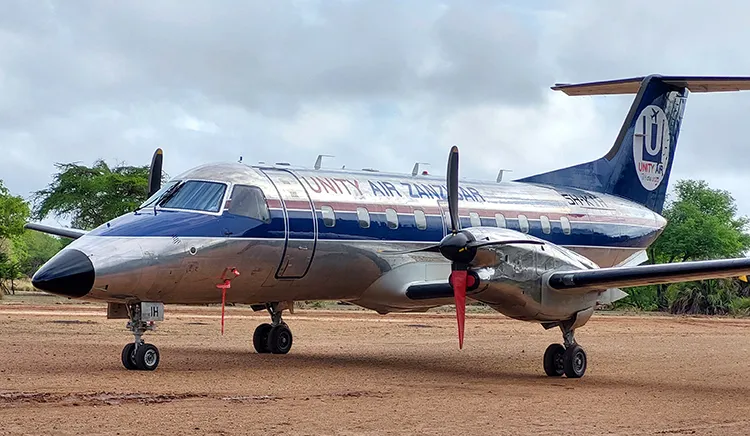
Our Blog

Explore the Wonders of Saadani National Park – A Hidden Gem in Tanzania

Explore the wonders of Saadani National Park, a hidden gem in Tanzania, with Kanuth Adventure Safaris. As the only coastal national park in the country, Saadani offers a unique blend of wildlife encounters and stunning beach landscapes that you won’t want to miss. Whether you’re eager to embark on a thrilling boat safari along the Wami River, enjoy a game drive in search of elephants and giraffes, or simply relax on the beautiful shores, Kanuth Adventure Safaris is here to craft the perfect adventure tailored to your desires. Join us to experience the rich biodiversity, historical significance, and conservation efforts within Saadani National Park. Book your unforgettable journey with Kanuth Adventure Safaris today and immerse yourself in the beauty of Tanzania! Park History Saadani National Park has a rich history and significance that adds to its appeal as a unique wildlife destination in Tanzania. Establishment: Saadani was officially designated as a national park in 2005, although it had been recognized as a game reserve since 1974. Its establishment aimed to protect the unique ecosystems and wildlife found in the area. Historical Significance: The park is located near the site of the historic Swahili trading port of Saadani, which played a crucial role in trade routes between Africa and the Arab world. The remnants of ancient trade settlements, including old ruins and structures, provide a glimpse into the region’s rich cultural heritage. Conservation Efforts: Since its designation, the park has been a focal point for conservation initiatives aimed at protecting its diverse wildlife and habitats. This includes efforts to combat poaching and promote sustainable tourism. Significance Biodiversity: Saadani National Park is notable for its unique blend of coastal and savanna ecosystems. It is home to a wide variety of wildlife, including elephants, giraffes, buffalo, and numerous bird species, making it a key area for biodiversity conservation. Coastal Ecosystem: The park’s location along the Indian Ocean is exceptional, as it offers both marine and terrestrial habitats. The mangrove forests and coastal beaches are critical for various species, including nesting sea turtles. Cultural Heritage: The proximity to cultural sites and local communities enriches the visitor experience by providing opportunities to learn about the local culture, traditions, and history. Visitors can engage in cultural tours that showcase the Swahili heritage. Eco-Tourism: Saadani’s combination of wildlife and scenic beauty contributes to eco-tourism in Tanzania. The park is essential for promoting sustainable tourism practices that benefit both the environment and local communities. Research and Education: The park serves as a valuable site for research and education on conservation and ecology, fostering greater awareness about the importance of preserving such unique landscapes. In summary, Saadani National Park holds historical, ecological, and cultural significance, making it a vital area for wildlife conservation and a fascinating destination for visitors seeking to connect with nature and history. Why Visit Saadani National Park? Visiting Saadani National Park is a unique experience for several compelling reasons: Coastal Adventure: Saadani is unique as it is the only national park in Tanzania that borders the Indian Ocean, allowing visitors to enjoy both wildlife and beautiful beaches. Diverse Wildlife: The park is home to a variety of animals, including elephants, buffalo, giraffes, wildebeests, and over 300 species of birds. This biodiversity offers excellent opportunities for wildlife viewing and photography. Unique Ecosystem: Saadani features a combination of lush savannahs, dense mangroves, and coastal habitats, providing a diverse environment for exploration and study. Boat Safaris: Enjoy the experience of a boat safari on the Wami River. Here, you can spot hippos, crocodiles, and various bird species, offering a different perspective of the park’s wildlife. Historical Significance: The park is located near historical sites, including old trading posts and Swahili ruins, offering a glimpse into the region’s rich cultural heritage. Sea Turtle Nesting: Depending on the season, you may witness sea turtles nesting on the sandy beaches, which is a remarkable natural event. Less Crowded: Compared to other Tanzanian national parks, Saadani tends to be less crowded, providing a more intimate and tranquil experience with nature. Conservation Efforts: Visitors can learn about ongoing conservation projects aimed at protecting the park’s unique ecosystem and its inhabitants, contributing to responsible tourism. Accessibility: Located near popular tourist destinations like Zanzibar, Saadani is easily accessible for travelers looking to combine beach and wildlife experiences. Adventure Activities: In addition to game drives and boat safaris, visitors can enjoy walking safaris, fishing, and relaxing on the beach, making it a versatile destination for all types of travelers. Saadani National Park offers a truly unique blend of wildlife experiences and coastal beauty, making it a must-visit destination for nature enthusiasts and adventure seekers alike. The best time to visit Saadani National Park largely depends on your interests and the experiences you wish to have. However, the ideal periods are generally: Dry Season (June to October): Wildlife Viewing: This is considered the best time for wildlife viewing. Animals congregate around water sources, making them easier to spot as vegetation is less dense. Weather: The weather is cooler and less humid, with clear skies, making it comfortable for outdoor activities. Shoulder Season (Late December to February): Baby Animals: This period often sees the birth of young animals, which provides unique viewing opportunities. Warm Weather: It can be warmer and humid, but it’s still a good time for wildlife viewing. Rainy Season (March to May): Lush Landscapes: This period features vibrant landscapes, with greenery and blooming flora, making it beautiful for photography. Fewer Tourists: There are generally fewer visitors, allowing for a more private experience, though some roads may become muddy and challenging. Important Considerations: Sea Turtle Nesting: If interested in sea turtles, the best time to see nesting activities is from late November to early February. Bird Watching: The rainy season can be great for bird watching as migratory birds arrive. Overall, the dry season is typically recommended for optimal wildlife experiences, but each season offers its own unique attractions. Consider your preferences and what you’d like to see when planning your visit to Saadani National
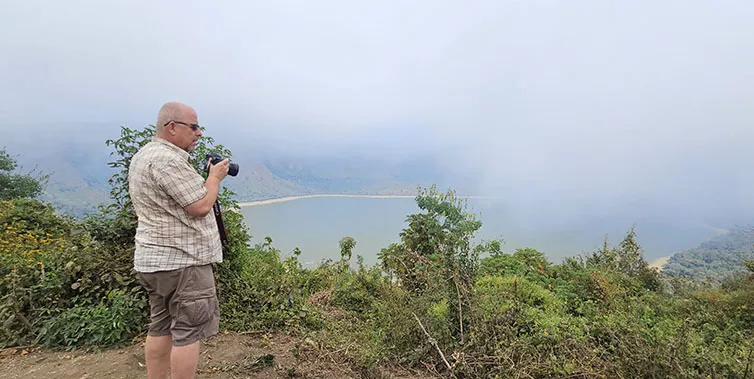
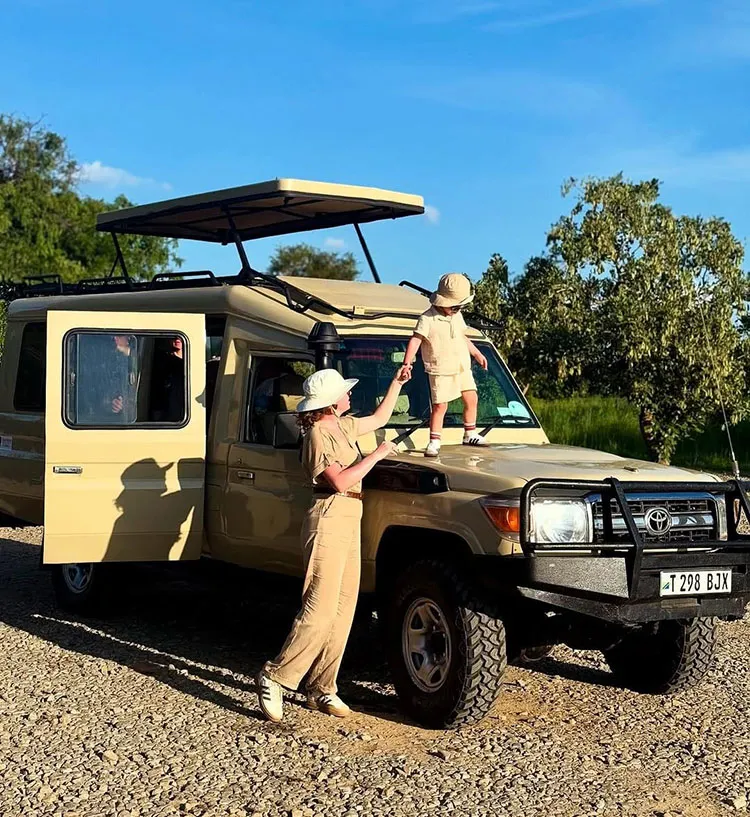
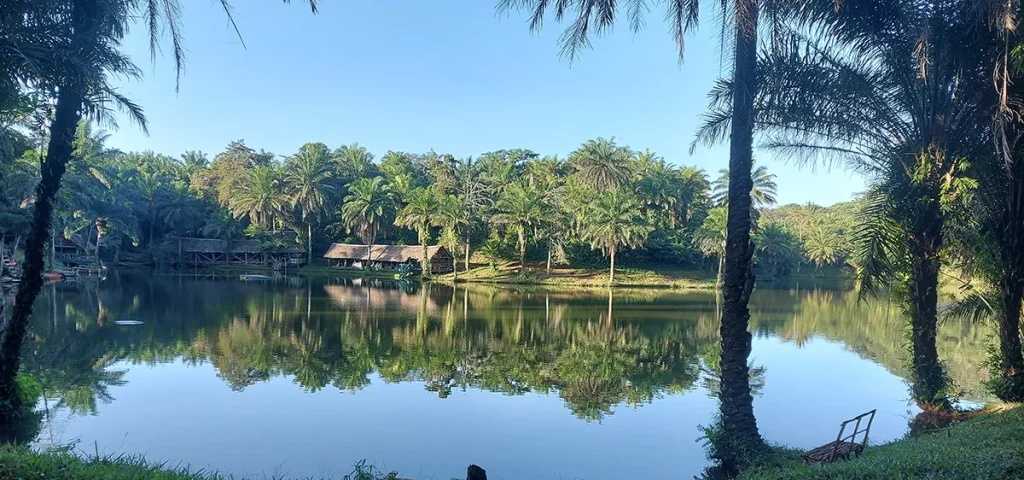
Scroll to Top