Author name: whiterhino

6 Days 5 Nights at Mikumi & Ruaha
Safari Packages

6 Days 5 Nights at Mikumi & Ruaha National Park

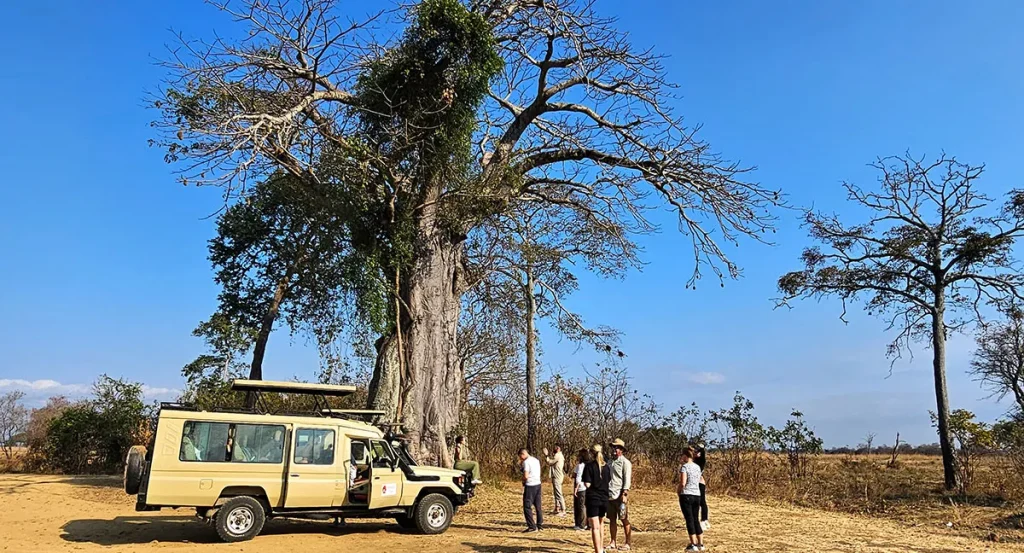
While most travelers crowd the northern parks, the true soul of Tanzania lies in the South. A 6-day safari to Mikumi and Ruaha National Park is designed for the traveler who wants fewer crowds and more predators. At Kanuth Adventures, we specialize in this “Southern Circuit,” combining raw wilderness with deep Maasai cultural immersion. 6 Days & 5 Nights at Mikumi & Ruaha National Park Safari Overview: Why This Itinerary? Feature Mikumi National Park Ruaha National Park Vibe “Mini-Serengeti” – Easy wildlife viewing. “Untamed Africa” – Rugged and remote. Best For Lions, giraffes, and Maasai culture. 10% of Africa’s lions, wild dogs, and elephants. Landscape Open Mkata Floodplain. Great Ruaha River and giant baobabs. Activity Highlight Night game drives & cultural boma visits. Walking safaris & riverbank sightings. Book Your Dream Safari Today Here Your 6 Days & 5 Nights at Mikumi National Park Detailed Itinerary Day 1: Dar es Salaam to Mikumi (The Maasai Welcome) Your adventure begins with a drive from Dar es Salaam to Mikumi. Before entering the park, we visit an authentic Maasai Boma. This isn’t just a photo op—you will learn about their traditional medicine, see their intricate beadwork, and participate in a welcoming dance. Stay: Camp Bastian or Stanley’s Kopje. Day 2: Full Day in Mikumi National Park Spend the day exploring the Mkata Floodplain. Mikumi is famous for its “Tree-climbing Lions” and the massive Eland (the world’s largest antelope). Pro Tip: In 2026, we highly recommend the Night Game Drive in Mikumi to see aardvarks and hunting leopards! Day 3 & 4: Into the Wilds of Ruaha On Day 3, we travel deeper into the heart of Tanzania to Ruaha National Park. Ruaha is the largest park in the country and feels like a prehistoric world. You will spend two full days tracking the park’s legendary lion prides and the rare Greater Kudu. Key Sight: The Great Ruaha River, where crocodiles and hippos battle for space. Day 3 & 4: Into the Wilds of Ruaha On Day 3, we travel deeper into the heart of Tanzania to Ruaha National Park. Ruaha is the largest park in the country and feels like a prehistoric world. You will spend two full days tracking the park’s legendary lion prides and the rare Greater Kudu. Key Sight: The Great Ruaha River, where crocodiles and hippos battle for space. Day 5: The Walking Safari & Evening Game Drive Experience the bush on foot. A walking safari in Ruaha allows you to smell the wild sage and see the “Little Five” that you miss from a vehicle. Finish the day with a sundowner overlooking the rift valley escarpment. Day 6: Final Morning & Return to Dar es Salaam After a final bush breakfast, we begin our journey back to Dar es Salaam, arriving in the evening with memories that last a lifetime. Check in Details and Plan your Tour FAQ: People Also Ask Is Mikumi better than Ruaha? Mikumi is better for seeing many animals quickly. Ruaha is better for a remote, exclusive experience with more predators. Can I see the Big Five in the South? You can see Lions, Leopards, Elephants, and Buffalo easily. Rhinos are rarely seen in these specific parks. How long is the drive? The drive from Dar to Mikumi is about 6 hours. From Mikumi to Ruaha is another 6 hours.

Our Blog

6 Nights 7 Days Tanzania Northern Circuit Safari

Tanzania is the heartbeat of African wildlife. When travelers dream of golden savannas, roaring lions, and the thundering hooves of the Great Migration, they are dreaming of Tanzania. The 6 nights 7 days Tanzania Northern Circuit Safari is the most iconic wildlife adventure on the planet. It combines four legendary destinations into one seamless journey through nature’s greatest masterpiece. This comprehensive guide will walk you through every detail of this life-changing experience. From the elephant-dotted plains of Tarangire to the volcanic wonder of Ngorongoro Crater, you will discover why millions of travelers consider this circuit the ultimate bucket-list adventure. Why Choose the Tanzania Northern Circuit Safari? The Northern Circuit is Tanzania’s crown jewel. Unlike other safari routes that require long travel days between parks, the Northern Circuit offers incredible wildlife density within a compact geographical area. This means you spend less time on dusty roads and more time watching cheetahs hunt, elephants bathe, and lions nurture their cubs. The four main parks of the Northern Circuit are: Tarangire National Park – Famous for massive elephant herds and ancient baobab trees Lake Manyara National Park – Home to tree-climbing lions and pink flamingo colonies Serengeti National Park – The world-famous endless plains hosting the Great Migration Ngorongoro Crater – A UNESCO World Heritage Site and natural wildlife sanctuary Book Your Dream Safari Today Here Day 1: You will transfer to Moshi Town. Day 2: You hike from Machame Gate to Machame Camp, which takes about 5 to 7 hours. Day 3: You trek from Machame Camp to Shira Camp, taking roughly 5 to 7 hours. Day 4: The route goes from Shira Camp to Barranco Camp over 5 to 7 hours. Day 5: You move from Barranco Camp to Karanga Valley Camp in about 4 to 5 hours. Day 6: The hike continues from Karanga Valley Camp to Barafu Camp for 6 to 7 hours. Day 7: This is the summit day, climbing from Barafu Camp to Uhuru Peak, also known as the Roof of Africa. Day 8: Finally, you descend from Mweka Camp to Mweka Gate, which takes 3 to 4 hours. Check in Details and Plan your Tour Best Time to Visit for Your 6 Nights 7 Days Tanzania Safari Dry Season (June to October) This is the peak safari season. Vegetation is sparse, making wildlife easier to spot. Animals congregate around water sources, and the Great Migration river crossings occur during this period. Expect cooler temperatures and higher prices. Wet Season (November to May) The landscape transforms into a lush green paradise. Baby animals are born, migratory birds arrive, and fewer tourists mean lower prices. The calving season in February is particularly spectacular. Migration Timing December to March: Southern Serengeti (calving season) April to May: Central Serengeti (heading north) June to July: Western Corridor (Grumeti River crossings) August to October: Northern Serengeti (Mara River crossings) November: Moving south again Frequently Asked Questions About Tanzania Safari Is a 7-day safari long enough? Absolutely. Seven days allows sufficient time to explore four major parks without rushing. You will have multiple game drives in each location and genuine opportunities to see all the Big Five. What animals will I see? The Northern Circuit offers excellent chances to see lions, leopards, elephants, buffalo, rhinos, cheetahs, giraffes, zebras, wildebeest, hippos, crocodiles, and hundreds of bird species. Is Tanzania safe for tourists? Tanzania is one of Africa’s safest countries for tourists. The people are welcoming, and safari areas are well-managed. Standard travel precautions apply. Do I need vaccinations? Yellow Fever vaccination is required if arriving from an endemic country. Recommended vaccinations include Hepatitis A, Typhoid, and Tetanus. Malaria prophylaxis is strongly advised. Can children go on safari? Yes! Many lodges welcome families with children. Some properties have minimum age requirements for game drives, typically around 5–7 years old. Family-friendly lodges offer pools and activities for younger travelers. What is the tipping etiquette? Tipping is customary in Tanzania. General guidelines suggest $15–20 per day for your guide and $5–10 per day for lodge staff. Click Here to Book Your Dream Safari Today The 6 nights 7 days Tanzania Northern Circuit Safari represents the pinnacle of African wildlife experiences. From the moment you arrive in Arusha until your emotional departure, every day brings new wonders and unforgettable memories. The Serengeti’s endless plains. The Ngorongoro Crater’s natural amphitheater. Elephants silhouetted against ancient baobabs. Lions teaching their cubs to hunt. These are not just travel experiences; they are life-changing moments that stay with you forever. Tanzania awaits. The animals are roaming. The sun is setting over the savanna. Your adventure begins with a single step.

Ultimate Guide to Hiking in Tanzania
Destinations

The Ultimate Guide to Hiking in Tanzania: From Kilimanjaro to Hidden Peaks (2026)

Tanzania has long been synonymous with the Great Migration and the white sands of Zanzibar. However, in 2026, a new trend is dominating the travel industry: High-Altitude Adventure and Eco-Trekking. With search interest for “Tanzania hiking” at an all-time high, travelers are looking for more than just a summit; they are looking for connection, biodiversity, and challenge. Whether you are an elite mountaineer or a weekend wanderer, Tanzania’s diverse topography offers some of the most unique trekking experiences on the planet. Why Tanzania is Africa’s Premier Hiking Destination Unlike many global hiking destinations, Tanzania offers “Vertical Biodiversity.” In a single week, a hiker can pass through tropical rainforests, heather moorlands, alpine deserts, and arctic ice caps. The Tanzanian government’s commitment to sustainable tourism in 2026 ensures that trails remain pristine and that your visit directly supports local communities and conservation efforts. Trail Name Peak Altitude Recommended Duration Best For Mount Kilimanjaro 5,895 m 6–9 Days Bucket-list “Roof of Africa” Mount Meru 4,566 m 3–4 Days Wildlife spotting & acclimatization Usambara Mountains ~2,300 m 2–5 Days Cultural immersion & greenery Udzungwa Mountains 2,576 m 1–3 Days Waterfalls and rare primates Ol Doinyo Lengai 2,962 m 1 Day (Night hike) Active volcano & unique geology 1. Mount Kilimanjaro: The Iconic Summit No guide to hiking in Tanzania is complete without the “Roof of Africa.” Standing at 5,895 meters, Kilimanjaro is the world’s tallest free-standing mountain. What’s new in 2026? The focus has shifted from “fastest ascent” to “highest success rate.” We recommend the Lemosho or Northern Circuit routes. These longer routes allow your body to adapt to the altitude naturally, following the “climb high, sleep low” philosophy. Pro Tip: Always check your operator’s 2026 certification with KINAPA (Kilimanjaro National Park Authority) to ensure fair wages for porters. Plan your Tour Today 2. Mount Meru: The “Social” Mountain Often overshadowed by its neighbor, Mount Meru in Arusha National Park is arguably more beautiful. It is a dramatic volcanic cinder cone that offers a horseshoe-shaped crater rim walk. The highlight of Meru is the wildlife. Because the trail starts in a national park, it is mandatory to hike with an armed ranger. It is common to see giraffes, buffaloes, and even elephants on the lower slopes. For many, the view of Kilimanjaro at sunrise from Meru’s Socialist Peak is better than the view from Kilimanjaro itself. 3. The Usambara Mountains: A Cultural Journey For those who prefer “Village to Village” hiking, the Usambaras in Northeast Tanzania are a dream. This is not about altitude; it is about atmosphere. Hike through ancient forests that are home to the endemic Usambara Violet and African Violets. You will pass through colorful markets and stay in local guest houses in towns like Lushoto. It provides a rare glimpse into the rural Tanzanian way of life that you won’t see from the window of a safari jeep. 4. Udzungwa Mountains: The Galapagos of Africa If you love biodiversity, the Udzungwa Mountains National Park is a must-visit. It isn’t a single peak but a range covered in primary rainforest. The hike to the Sanje Waterfalls is the most popular, featuring a 170-meter drop into a misty pool where you can swim. Keep an eye out for the Sanje Crested Mangabey, a primate found nowhere else on earth. Essential Preparation for 2026 To rank well in search engines and provide a professional service, your readers must be prepared for the realities of the trail. Tanzanian hikes are “non-technical,” meaning you don’t need ropes or ice axes. However, they are physically grueling. Hydration: In 2026, single-use plastic is strictly banned in National Parks. Bring high-quality reusable bladders. Footwear: Moisture-wicking socks and waterproof boots are non-negotiable. Tipping Culture: Tipping is a standard practice in the Tanzanian trekking industry. Budget roughly 10-15% of your trek cost for the mountain crew. Hiking in Tanzania is more than a physical challenge; it is a sensory journey. From the volcanic ash of Ol Doinyo Lengai to the rainforests of Udzungwa, the country offers a trail for every soul. As you plan your 2026 adventure, remember that the best view comes after the hardest climb.

Our Blog

The Best Weekend Getaways from Dar es Salaam

Top Short Trips for Relaxation, Adventure, and Nature Lovers Dar es Salaam is not only Tanzania’s bustling coastal city—it’s also the perfect launch point for unforgettable weekend escapes. Within a few hours of travel, visitors can enjoy tropical beaches, wildlife safaris, forested mountains, and historic coastal towns. Weekend getaways from Dar es Salaam are ideal for travellers who want to relax, explore, and reconnect with nature without taking long breaks from their daily routines. At Kanuth Adventure Safaris, we organise well-planned and stress-free weekend getaways from the city, giving travellers the chance to experience the best of Tanzania in a short but memorable time. Why Choose a Weekend Getaway from Dar es Salaam Dar es Salaam’s strategic coastal location makes it easy to access some of Tanzania’s most diverse destinations by road, ferry, or short domestic flights. Weekend getaways are perfect for busy professionals, couples, families, and adventure seekers who want meaningful travel experiences within a limited schedule. These trips offer a refreshing break from city life while remaining affordable and time-efficient. Top Weekend Getaway Destinations Zanzibar Island – Beach and Cultural Escape Zanzibar is an archipelago in the Indian Ocean, lying about 25–50 kilometres (15–30 miles) off the coast of mainland Tanzania in East Africa, close to the equator. The islands comprise two main islands, Unguja, commonly referred to as Zanzibar, and Pemba. Travel time from Dar es Salaam is approximately 1 hour by domestic flight or about 2 hours by ferry. Zanzibar is renowned for its historic Stone Town, a UNESCO World Heritage Site, as well as its stunning white-sand beaches, turquoise waters, spice farms, and excellent snorkelling and diving opportunities. Its short travel time and diverse attractions make it one of the most rewarding weekend getaways from Dar es Salaam. Mikumi National Park – A Classic Safari Experience Mikumi National Park is located in southern Tanzania and forms part of the greater Selous ecosystem. The park lies about 283 kilometres from Dar es Salaam, with a travel time of approximately 4–5 hours by road or 1 hour by domestic flight. Mikumi is known for its open savannah landscapes and abundant wildlife, including elephants, lions, giraffes, zebras, and buffalo. Its accessibility makes it one of the best safari options for a weekend trip. Saadani National Park – Safari by the Sea Saadani National Park stretches along Tanzania’s northern coastline between Dar es Salaam and Tanga. The park stands about 130 kilometres from Dar es Salaam, with an estimated travel time of 4 hours by road. Saadani is unique as the only national park in Tanzania that borders the Indian Ocean, allowing visitors to enjoy wildlife viewing alongside beach relaxation. This rare combination makes it an outstanding weekend destination. Bagamoyo – History and Coastal Charm Bagamoyo is a historic coastal town about 75 kilometres north of Dar es Salaam, with a travel time of approximately 1.5–2 hours by road. The town is rich in Swahili culture and history, featuring landmarks connected to the slave trade and German colonial era. Its relaxed atmosphere, cultural heritage, and peaceful beaches make it ideal for a short cultural getaway. Pugu Hills – A Nature Escape Close to the City Pugu Hills are located southwest of Dar es Salaam near Kisarawe District. It is one of the closest nature escapes, with a travel time of approximately 0.75–1 hour by road. Pugu Hills offers forest trails, scenic viewpoints, fresh air, and opportunities for hiking, canoeing and birdwatching. Pugu Hills is ideal for anyone wanting a peaceful escape from the city and a chance to reconnect with nature over a short weekend. Uluguru Mountains – Lush Forests and Scenic Hiking The Uluguru Mountains form part of the Eastern Arc Mountains. Travel from Dar es Salaam takes approximately 3–4 hours by road. The Uluguru Mountains are known for their lush forests, waterfalls, panoramic views, and cooler climate. This destination is ideal for hikers and nature lovers seeking an active weekend retreat surrounded by scenic landscapes and local mountain communities. Udzungwa Mountains National Park – Waterfalls and Biodiversity Udzungwa Mountains National Park is located in south-central Tanzania near Mikumi National Park. The park is approximately 350 kilometres from Dar es Salaam, with a travel time of 6–7 hours by road or about 1 hour by domestic flight, followed by a short drive. Udzungwa is famous for its dense forests, endemic wildlife, and impressive waterfalls such as Sanje Falls. It is an excellent choice for adventurous travellers who enjoy hiking and nature exploration. Wami Mbiki Game Reserve – Community-Based Wildlife Experience Wami Mbiki Game Reserve spans eastern Tanzania, within the Morogoro region. The reserve is about 150 kilometres from Dar es Salaam, with a travel time of approximately 3–4 hours by road. Wami Mbiki is managed through community conservation initiatives and offers an authentic wildlife experience with fewer visitors. Wildlife sightings may include elephants, giraffes, antelopes, and a wide variety of bird species, making it ideal for travellers seeking a quieter safari experience. Kilwa Kisiwani – History, Ruins, and Coastal Beauty Kilwa Kisiwani is located along Tanzania’s southern coastline in the Lindi region. The destination is approximately 325 kilometres from Dar es Salaam, with a road trip of 6–7 hours or a domestic flight of 1–1.5 hours, followed by a short boat transfer. Kilwa Kisiwani is a UNESCO World Heritage Site known for its ancient Swahili ruins, historic mosques, and palaces. Combined with its peaceful beaches and cultural significance, it offers a deeply rewarding weekend escape. Best Time for Weekend Getaways Weekend getaways from Dar es Salaam can be enjoyed year-round. The dry season from June to October is ideal for safaris and hiking due to cooler temperatures and clear skies. The months from December to March are perfect for beach destinations, while April to May offer lush landscapes and fewer crowds. Start Your Weekend Escape Today You do not need a long vacation to explore Tanzania’s incredible destinations. With the right planning and a trusted tour operator, a weekend is enough to create lasting memories. Start planning

Our Blog

Lemosho Route: The Best Path to the Summit of Mount Kilimanjaro

For climbers and adventure seekers looking for one of the most scenic, rewarding, and successful routes to the summit of Mount Kilimanjaro, the Lemosho Route stands out as a top choice. Known for its breathtaking landscapes, excellent acclimatisation profile, and high summit success rate, Lemosho offers an unforgettable journey to Africa’s highest peak. At Kanuth Adventure Safaris, we specialise in guiding climbers safely and responsibly along this iconic route, ensuring adventure and comfort at every step. Overview of the Lemosho Route The Lemosho Route approaches Mount Kilimanjaro from the western side, beginning at the Londorossi Gate. It traverses lush rainforest, vast moorlands, dramatic lava formations, and the stunning Shira Plateau before joining the southern circuit and approaching the summit via Barafu Camp. Because of its longer duration and gradual ascent, Lemosho is widely regarded as one of the best routes for acclimatisation, making it ideal for climbers who want to maximise their chances of reaching Uhuru Peak. Why Choose the Lemosho Route? Exceptional Scenery Lemosho is often described as the most beautiful route on Kilimanjaro. From dense rainforest and endemic wildlife to sweeping alpine vistas and panoramic views of the Shira Plateau, every day presents a new and awe-inspiring landscape. Higher Summit Success Rate Thanks to its longer itinerary (typically 7–8 days), the Lemosho Route allows the body more time to adapt to altitude. This significantly reduces the risk of altitude sickness and increases the likelihood of reaching the summit. Fewer Crowds (Early Stages) Unlike some of the more popular routes, Lemosho starts off relatively quiet. This gives climbers a sense of wilderness and solitude during the first few days of the trek Ideal for First-Time Climbers While still challenging, Lemosho is well-suited for climbers with good fitness levels, even if they have no prior high-altitude trekking experience. Typical Lemosho Route Itinerary (8 Days) Day 1: Londorossi Gate to Mti Mkubwa Camp (Rainforest Zone) Day 2: Mti Mkubwa Camp to Shira 1 Camp Day 3: Shira 1 Camp to Shira 2 Camp Day 4: Shira 2 Camp to Barranco Camp (via Lava Tower) Day 5: Barranco Camp to Karanga Camp Day 6: Karanga Camp to Barafu Camp Day 7: Barafu Camp to Uhuru Peak, then descend to Mweka Camp Day 8: Mweka Camp to Mweka Gate This itinerary is designed to enhance acclimatisation and give climbers the best possible chance of reaching the summit. Best Time to Climb the Lemosho Route The best months to climb Mount Kilimanjaro via the Lemosho Route are from January to early March, when conditions are generally warmer with clearer skies, and from June to October, which offer cooler temperatures and excellent visibility; although climbing is possible year-round, these periods provide the most favourable and reliable weather conditions for a successful and enjoyable ascent. Wildlife and Nature The western slopes of Kilimanjaro are rich in wildlife. During the early days of the Lemosho Route, climbers may encounter colobus and blue monkeys, as well as a variety of bird species—an experience unique to this route. Why Climb with Kanuth Adventure Safaris? At Kanuth Adventure Safaris, we believe that a successful climb is about more than just reaching the summit. It’s about safety, sustainability, and creating lifelong memories.  What We Offer: Experienced, certified mountain guides High-quality camping equipment Nutritious, energy-rich meals on the mountain Ethical porter treatment and fair wages Comprehensive safety protocols and altitude monitoring Personalised climb planning and support Our team is passionate about mountains and deeply knowledgeable about Kilimanjaro, ensuring you are in capable hands from start to finish. Is the Lemosho Route Right for You? If you are an adventure seeker who values scenic beauty, a well-paced ascent, and a higher chance of success, the Lemosho Route is an excellent choice. Whether you are a first-time climber or an experienced trekker, this route offers a balanced and rewarding Kilimanjaro experience. Start Your Kilimanjaro Journey Today Climbing Mount Kilimanjaro is a life-changing adventure and choosing the right route and operator makes all the difference. Contact Kanuth Adventure Safaris today to learn more about our Lemosho Route packages and begin planning your journey to the Roof of Africa. You can reach us via email at info@kanuthadvenures.com or contact us directly on WhatsApp at +255 754 967 544 for quick assistance and personalized support.

Our Blog

The Ultimate Guide to Trekking the Ngorongoro Highlands

When most travellers think of Tanzania, they picture the endless plains of the Serengeti or the majestic peak of Mount Kilimanjaro. Yet tucked between these famous landmarks lies a true hidden gem: the Ngorongoro Highlands. Trekking here leads you along peaceful, untouched trails, where you can discover dramatic volcanic landscapes, encounter diverse wildlife, and experience Maasai traditions in a way few ever do. Where Are the Ngorongoro Highlands? The Ngorongoro Highlands stretch along the eastern edge of the Great Rift Valley in northern Tanzania. This elevated region surrounds the world-famous Ngorongoro Crater and includes a series of ancient volcanoes, rolling green hills, dense forests, highland plains, and sparkling crater lakes. Unlike game drives inside the crater, trekking in the highlands allows visitors to explore the region on foot, offering an intimate connection with the land and its people. Getting There The Ngorongoro Highlands are reached by road, usually from Arusha, about 180 kilometres away and a 4–5 hour drive. The journey passes through beautiful countryside, small villages, and farmland, giving a taste of rural Tanzania. Most travellers fly into Arusha International Airport (ARK), which has connections from Africa and the Middle East. From there, you can reach the highlands by private car, 4×4, or an arranged transfer with Kanuth Adventure Safaris, who can ensure your trip starts smoothly. The highlands are also close to Serengeti National Park and Lake Manyara, making it easy to combine trekking with a safari. Why Choose Ngorongoro Highlands Trekking? Ngorongoro Highlands trekking is perfect for travellers seeking: Scenic walking safaris and hiking adventures Cultural interaction with the Maasai communities Fewer tourists and untouched wilderness A slower, more meaningful way to explore Tanzania This trek is ideal for adventure travellers, photographers, nature lovers, and anyone wanting a unique alternative to traditional safari itineraries.  Landscapes You’ll Encounter Volcanic Craters and Highlands The region is shaped by extinct volcanoes such as Olmoti, Empakaai, and Oldeani. Treks often pass along crater rims with breathtaking views of deep calderas and emerald lakes below. Lush Forests and Open Plains Expect a diverse mix of environments: montane forests, grassy highland meadows, acacia woodlands, and open plains grazed by wildlife and livestock alike. Crater Lakes Empakaai Crater, one of the highlights, features a stunning alkaline lake often filled with flamingos and surrounded by steep forested walls. Wildlife on the Trek Walking through the highlands, you may see zebras and wildebeest grazing on the open plains, as well as buffalo and eland moving through the grasslands. Smaller animals such as bushbuck and reedbuck are often spotted near forested areas, while baboons and blue monkeys are frequently seen along the trails. The area is also rich in birdlife, with many species, including birds of prey and flamingos, around the crater lakes. All treks with Kanuth Adventure Safaris are led with safety in mind and are accompanied by armed rangers where required, while fully respecting conservation rules and the natural environment. Cultural Encounters with the Maasai One of the most rewarding parts of trekking in the Ngorongoro Highlands is meeting the Maasai people, who have lived on this land for centuries. During the trek, you may visit traditional Maasai bomas and see how they live day to day. You will learn about livestock herding and the pastoral lifestyle that is central to Maasai culture. You may also enjoy local songs, dances, and stories shared by the community. These experiences help you understand Maasai traditions, clothing, and beliefs. All visits are respectful and community-supported, creating a genuine and meaningful cultural experience. Popular Ngorongoro Highlands Trekking Routes Olmoti Crater to Empakaai Crater One of the most popular routes, this trek takes you from Olmoti’s waterfall-filled crater to the dramatic Empakaai Crater rim, offering stunning views and varied terrain. Empakaai to Lake Natron For experienced trekkers, this longer route descends from the cool highlands into the remote, surreal landscapes of Lake Natron, near the active volcano Ol Doinyo Lengai. Highlands to Serengeti Some multi-day itineraries combine trekking with a walking transition toward the Serengeti ecosystem, blending hiking with classic safari experiences. Accommodation during the Trek Depending on your itinerary, accommodations may range from scenic wilderness campsites and comfortable tented camps to lodges near the crater highlands. Our trekking teams handle all logistics, including setting up tents, preparing meals, providing porters, and supplying all necessary camping equipment, so you can enjoy a comfortable, hassle-free experience even in the most remote areas. Best Time for Ngorongoro Highlands Trekking The best trekking seasons are: June to October: Dry season, cooler temperatures, clear views January to February: Short dry season with lush landscapes Trekking is possible year-round, though March to May can be wetter and more challenging. What to Pack for Your Ngorongoro Highlands Trek For your Ngorongoro Highlands trek, pack lightweight hiking clothes with layers, a warm jacket, a waterproof jacket or poncho, sturdy boots, a hat, and sunglasses. Bring a daypack with water, snacks, a headlamp, a camera, and binoculars, plus sunscreen, insect repellent, and any personal medications. Don’t forget your passport, travel documents, toiletries, and a small power bank. Kanuth Adventure Safaris provides tents, meals, and camping gear, so you only need the essentials. Final Thoughts Ngorongoro Highlands trekking offers breathtaking scenery, vibrant culture, and a sense of discovery that few destinations can match. Walking these ancient trails lets you connect with the land in a way no vehicle ever could. For those seeking a unique African adventure beyond the classic safari, Kanuth Adventure Safaris invites you to explore the Ngorongoro Highlands step by step, story by story. Get in touch with Kanuth Adventure Safaris today to learn more about our Ngorongoro Highlands trekking packages and start planning your unforgettable adventure. You can email us at info@kanuthadventures.com or reach us directly on WhatsApp at +255 754 967 544 for quick, personalized assistance and guidance.

Our Blog

The Solo Traveler’s Guide to Tanzania

Solo Travel in Tanzania: The Ultimate Guide for Independent Adventurers Tanzania is one of Africa’s most rewarding destinations for solo travellers. From iconic safaris and snow-capped Mount Kilimanjaro to palm-fringed beaches and vibrant local cultures, the country offers unforgettable experiences for those travelling alone. Whether you’re seeking adventure, reflection, or cultural immersion, Tanzania welcomes solo travellers with open arms. This guide covers everything you need to know, including safety, costs, transportation, destinations, and tips to plan your solo journey in Tanzania confidently. Why Tanzania Is Perfect for Solo Travelers Travelling solo in Tanzania is both enriching and manageable. While it may feel intimidating at first, many travellers find it surprisingly social and safe. Key reasons Tanzania works well for solo travel: Friendly and hospitable locals Strong sense of community and helpfulness toward visitors Established tourism infrastructure Easy to join group safaris and tours Diverse experiences in one country From backpackers to digital nomads and first-time solo travellers, Tanzania caters to all styles. Is Tanzania Safe for Solo Travelers? Yes — Tanzania is generally safe for solo travellers, including women, when basic precautions are taken. Safety Tips: Stick to reputable accommodations and tour operators Avoid walking alone at night in major cities Keep valuables secure and out of sight Use registered taxis or ride-hailing apps Trust your instincts Petty theft can occur in urban areas like Dar es Salaam or Arusha, but violent crime against tourists is rare. Solo female travellers often report feeling safe, especially when dressing modestly and being culturally respectful. Best Destinations in Tanzania for Solo Travelers Arusha – The Safari Gateway Arusha is the central hub for Tanzania’s northern safari circuit and an ideal starting point for solo travellers. The town has a lively, social atmosphere, making it easy to meet others and join shared safaris to the Serengeti, Ngorongoro Crater, and Tarangire. With plenty of hostels, cafés, and reliable tour operators, Arusha offers both convenience and connection. Serengeti National Park – A Once-in-a-Lifetime Experience The Serengeti is easily accessible to solo travellers through small-group safaris. Travelling this way keeps costs manageable while creating a shared experience with professional guides and fellow travellers. Game drives by day and communal camps in the evenings make the Serengeti both unforgettable and surprisingly social. Zanzibar – Beaches, Culture & Relaxation Zanzibar is ideal for solo travellers seeking a balance of culture and downtime. Stone Town’s history and food scene offer plenty to explore, while beaches like Nungwi and Paje provide a relaxed, traveller-friendly atmosphere. It’s a safe, walkable destination and a perfect place to unwind after a safari or climb. Mount Kilimanjaro – Solo, Supported While Kilimanjaro cannot be climbed independently, it remains a powerful solo experience. Joining a group climb provides expert guides, strong team support, and a shared sense of achievement. Many solo travellers consider reaching the summit one of the most rewarding moments of their journey. Moshi – Calm and Backpacker-Friendly Moshi, located at the base of Kilimanjaro, offers a slower pace and a welcoming environment for solo travellers. With coffee tours, day hikes, and a relaxed town centre, it’s an excellent place to rest, reflect, and connect with other travellers before or after a climb. Getting Around Tanzania as a Solo Traveler Transportation in Tanzania is affordable but can be an adventure. Options: Domestic flights: Fast and reliable for long distances Buses: Cheap but long journeys Dala-dalas: Local minibuses (budget-friendly, crowded) Private transfers: Best for comfort and safety For safaris and remote areas, joining a tour is the easiest option. Budgeting for a Solo Trip to Tanzania Tanzania can be as affordable or as luxurious as you choose. Daily costs depend primarily on whether you’re on safari, where park fees and guides increase expenses. Outside of safari days, food, accommodation, and transport can be very reasonable. Joining group safaris is the most effective way for solo travellers to keep costs manageable while still enjoying high-quality experiences. When to Visit Tanzania as a Solo Traveler The dry season from June to October is ideal for wildlife viewing and popular among travellers, making it a great time to meet others. January and February offer good weather with fewer crowds, while the rainy season from March to May brings lush landscapes and lower prices for those comfortable with occasional downpours. Final Thoughts Solo travel in Tanzania is both empowering and profoundly enriching. Whether you’re watching the Great Migration, trekking the Mountain Kilimanjaro, sharing stories around a campfire, or walking along a quiet beach in Zanzibar, Tanzania offers moments of connection with others and with yourself. If you’re considering your next solo adventure, Tanzania deserves a place at the top of your list. For bookings and inquiries, don’t hesitate to get in touch with us at info@kanuthadventures.com or via WhatsApp at +255 754 967 544

Our Blog

Discover Meru Forest: Arusha’s Hidden Natural Gem

Meru Forest (also known as Meru‑Usa Nature Forest Reserve) is a lush montane forest on the slopes of Mount Meru, near Arusha city in northern Tanzania. It’s part of the larger ecosystem connecting Arusha National Park and surrounding landscapes, and is a vital water catchment and biodiversity hotspot. If you’re planning a trip to northern Tanzania and want to experience something beyond the usual safari circuits, Meru Forest is the perfect destination. Just a short drive from Arusha, this vibrant forest offers an immersive escape into nature, filled with wildlife, waterfalls, and cultural experiences. In this guide, we’ll take you through everything you need to know to plan your visit, from how to get there and what to do to tips for an unforgettable experience. Why Visit Meru Forest? Meru Forest isn’t just a forest; it’s a living ecosystem that connects Arusha National Park and the surrounding communities. It’s an ideal destination for nature lovers, hikers, birdwatchers, and anyone who wants to experience Tanzania’s vibrant biodiversity away from the crowds. Here’s what makes it special: Lush Montane Forests: Tall trees, cascading streams, and misty valleys create an enchanting environment perfect for hiking and photography. Wildlife Encounters: From colobus monkeys and olive baboons to small mammals and reptiles, the forest is alive with wildlife. Birdwatcher’s Paradise: With over 300 bird species, it’s a haven for bird enthusiasts. Waterfalls & Streams: Explore the stunning Napuru Waterfall, a serene spot for swimming, relaxing, and capturing amazing photos. Cultural Experiences: Learn about the Wameru and Maasai communities, explore local villages, and discover traditional farming practices Getting There Meru Forest is easily accessible from Arusha city, making it a perfect day trip or weekend escape. By Air: Fly into Kilimanjaro International Airport (JRO), about 1–1.5 hours from Arusha. By Road: The forest is only ~30 km from Arusha (30–45 minutes). Take Sekei Road for waterfall access or Momella Road for a scenic approach. Transport Options: You can self-drive, take a taxi, or join a guided tour. A 4×4 is recommended if you plan to explore the rougher trails. Things to Do in Meru Forest Forest Walks and Hiking Meru Forest has several well-defined trails suitable for all levels of hikers. The Napuru Waterfall Trail is one of the most popular, leading visitors to a stunning 78-meter waterfall where you can enjoy photographs and even a refreshing swim. For those who prefer gentler walks, the forest loop trails offer a chance to spot wildlife and enjoy the serene environment. Hikes to Sambasha Hill provide panoramic views of the forest and the Arusha plains, making it a perfect spot for nature photography. Birdwatching Meru Forest is home to more than 300 bird species, making it a paradise for birdwatchers. Visitors can spot turacos, sunbirds, hornbills, and many other colourful and unique species. Birdwatching is especially rewarding in the early morning when the forest is quiet, and the birds are most active. Whether you are an amateur or experienced birder, the forest offers countless opportunities to enjoy and photograph the avian life. Wildlife and Nature Encounters The forest is teeming with wildlife, including monkeys, duikers, chameleons, and other small mammals and reptiles. Its dense vegetation provides shelter for insects, butterflies, and other invertebrates, adding to the biodiversity experience. Observing wildlife in their natural habitat is one of the highlights of visiting Meru Forest, and visitors often enjoy the thrill of spotting rare species along the trails. Eco and Cultural Tourism Meru Forest offers several eco-tourism and cultural experiences that enrich your visit. Guided conservation walks with local rangers provide insights into the forest’s ecology and conservation efforts. Visitors can also explore nearby villages to learn about local life, farming practices, and traditions. Traditional coffee farm tours and opportunities to sample local cuisine offer a deeper understanding of the region’s culture and heritage. Photography and Picnics With its beautiful waterfalls, streams, and scenic viewpoints, Meru Forest is ideal for photography enthusiasts. The soft light filtering through the forest canopy creates perfect conditions for capturing memorable shots. Visitors can also enjoy picnics in serene spots surrounded by nature, making it an excellent place for relaxation, reflection, and connecting with the environment. When to Visit Dry Season (June–October, December–February): Trails are easier to navigate, and wildlife is more visible. Rainy Season (March–May, November): The forest is lush and vibrant, though trails can be slippery. Where to Stay in Meru Forest Visitors to Meru Forest can choose from a variety of accommodation options depending on their preference and budget. Inside the forest, there are basic camping sites and a Rest House for those who want a closer experience with nature. For more comfortable stays, Arusha city offers a wide range of lodges and hotels, including Arusha Coffee Lodge, Mount Meru Hotel, and Ilboru Safari Lodge. These accommodations provide easy access to the forest and other attractions, such as Arusha National Park and Lake Duluti. Tips for Visiting Meru Forest Hire a guide: Local guides enrich the experience with insights on wildlife, plants, and culture. Wear sturdy footwear: Trails can be muddy, especially near waterfalls. Bring essentials: Water, snacks, insect repellent, and rain gear. Respect local culture: Always ask before photographing villagers or their homes. Support conservation: Stick to trails, avoid littering, and choose sustainable tour operators. 1-Day Meru Forest Escape Itinerary 7:00 AM: Depart Arusha 8:00 AM: Arrive at Meru Forest, start hike to Napuru Waterfall 12:00 PM: Picnic and birdwatching 3:00 PM: Cultural visit to a Tengeru village 5:00 PM: Return to Arusha For those with more time, a 2-day adventure could include overnight camping in the forest, exploring panoramic viewpoints, visiting Lake Duluti, and experiencing coffee farms. Final Thoughts Meru Forest is more than just a forest; it’s an immersive journey into Tanzania’s natural and cultural heritage. Its proximity to Arusha makes it accessible, yet it retains a sense of remoteness and adventure that travellers crave. Whether you’re hiking waterfalls, spotting rare birds, or interacting with local communities, Meru Forest promises a meaningful and unforgettable experience.

Our Blog

Plan Your Tanzanian Safari Well with Kanuth Adventures

Choose Your Destinations: Popular spots include Serengeti National Park for wildlife viewing, Ngorongoro Crater for breathtaking landscapes, and Tarangire National Park for its large herds of elephants. Decide on Safari Type: Options include game drives, walking safaris, hot-air balloon rides, and cultural tours to visit local tribes such as the Maasai. Set a Budget: Determine how much you are willing to spend. Kanuth Adventures can provide options ranging from budget camping safaris to luxury lodge experiences. Select the Best Time to Visit: The dry season (June to October) is ideal for game viewing. However, the wet season (November to May) can also be a good time to see migrating animals and lush landscapes. Plan for Logistics: Kanuth Adventures can arrange transportation, accommodations, and meals. Ensure you have all necessary permits and vaccinations (like yellow fever) in advance. Pack accordingly: Bring appropriate clothing for safari (lightweight, neutral colours), along with First and Last Nights in Tanzania. Unless you are on an absolute minimum budget, you may wish to start and end your journey (in Kiswahili, i safari means journey) in comfortable accommodation with good beds and showers, maybe even with a pool. Kanuth can propose to you the best solution for your budget. Take note of distances & take one or more “chill out” days. Kanuth Adventure Safari Team will advise you here, but there is no point in rushing from one remote destination to the next, then rushing around there before moving on to the next. Regardless of budget, there are lodges situated in the most beautiful of places, with incredible views, and there are some lovely little towns on the way, such as Mto wa Mbu in the north and Morogoro in the south, where you can really experience the colourful, everyday life of the local people. Visit their markets, talk to them in a bar or restaurant along their busy streets. With a day at a scenic lodge, where you can stroll through such a town, in between the hectic of full-day safaris, you will feel a part of Africa and can chill out alone with a view or by chatting with the locals. One or two of these days in between the long drives will enrich your souls. Vary your week(s) and the types of safari you choose Indeed, if you do have one or two chill-out days, then you may want to stay an extra day in one of those towns like Mto wa Mbu, where we can arrange for you a guided bicycle safari into a side arm of Lake Manyara (perfectly safe but with a multitude of birds and savannah game such as Thompson gazelle and Zebra). Or a walking safari with an armed guard in Lake Manyara N-P or Arusha N.P. In Mto wa Mbu and other lesser-known destinations, we at Kanuth Adventure Safaris can also arrange a culture tour in the town, including lunch with a family and perhaps a stop at the banana plantation to try their banana wine and beer. Or spend an afternoon in a remote Maasai village. Are you planning some days on the coast as well as inland safaris? If you intend to see Tanzania’s coastline and spend some time on the beaches of Dar or Zanzibar Island, then consider this:- It is purely a matter of taste, but what do you do first – beach or inland safari? It can be arranged either way. Most international airlines fly into Dar and on to Kilimanjaro or vice versa. So, if travelling the northern circuit, you can begin your tour at either end and fly back home from the other airport. Or inland flights with Precision Air are reliable and reasonably priced. It is only a matter of taste, but if you have never been to Africa before, we recommend beginning your tour on the coast and ending it with the inland safaris. You then have time to relax before the long game drive days, can acclimatise to the climate and change of culture and, best of all, when you return home, you have all those incredible game drive and personal, cultural experiences still fresh in your mind to take home; they will not be watered down by a week on the beach. Read about the four circuits, decide on one (or more) and discuss your plans with our Team. Soon, you will have an itinerary drawn up for you with an initial estimated price. From that, and with further discussion, you can finalise the details and even tailor it a bit more to fit your budget better. Depending on the size of your group, it might be cheaper to invite someone else along. If your trip is planned for four people and Kanuth has a six- or nine-seater vehicle available at that time, your budget could be reduced by one or more people – ask him before you finalise. Getting in touch… For more details about planning your safari to Tanzania, you can get in touch with us through: Official Website: Visit Kanuth Adventure Safaris’ official website to find contact information, including email addresses and phone numbers. Email: Send your inquiries or requests to the address listed on our contact page. Phone: Call our customer service number +255 754 967544 for immediate assistance. Social Media: Check our social media profiles for the latest updates and contact options. You might be able to send us a direct message as well.  https://www.facebook.com/KanuthAdventureSafaris Contact Form: Use any available contact forms on our website to submit your inquiries.

Our Blog

A Hot Air Balloon Safari Over the Serengeti Plains

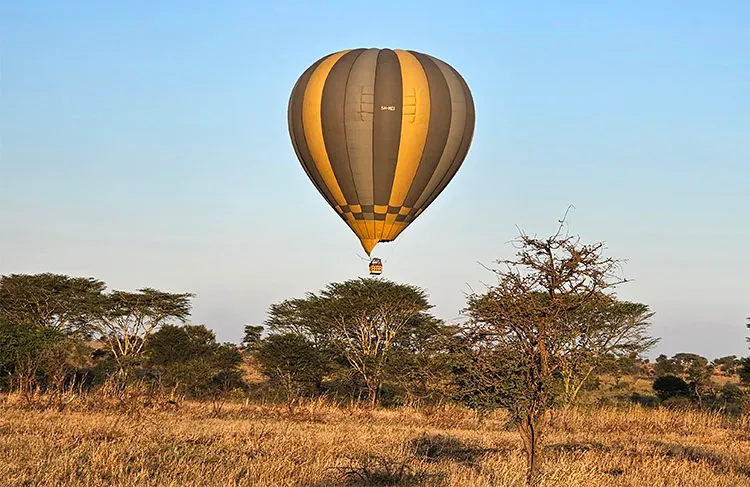
The Serengeti Plains are among the most iconic landscapes on the planet, vast, open grasslands that stretch endlessly toward the horizon, alive with wildlife and shaped by ancient migration routes. This is the heart of the Serengeti ecosystem, where the rhythm of nature is raw, powerful, and ever-present. A hot-air balloon safari over the Serengeti offers a breathtaking perspective that no ground-based safari can match. As the balloon gently rises into the first golden light of dawn, the plains awaken beneath you: herds grazing in the soft morning glow, predators returning from their nighttime hunts, and the landscape glowing in hues of gold and amber. This in-depth guide explains why a Serengeti balloon safari is so extraordinary, the best locations to fly over, when to visit, and how to plan your unforgettable journey with Kanuth Adventure Safaris. Best Locations for Hot-Air Balloon Safari in the Serengeti Plains The best place to enjoy a balloon safari in the Serengeti depends on the season and where the wildlife is gathered. Central Serengeti (Seronera) The Central Serengeti is the best year-round location for hot-air ballooning, offering reliable wildlife sightings in every season. Its diverse landscapes, ranging from open plains to river valleys and rocky kopjes, create a stunning and ever-changing aerial experience. Because so many animals remain here throughout the year, every flight offers a high chance of seeing lions, elephants, giraffes, and large herds of grazers from above. Ndutu (Southern Serengeti) From January to March, Ndutu is the ideal location as the Great Migration gathers here for the calving season. Thousands of wildebeest and zebras spread across the plains, attracting lions, cheetahs, and hyenas. The combination of newborn wildlife and open landscapes makes this one of the most dramatic places to fly. Northern Serengeti (Kogatende) Between mid-July and October, Kogatende becomes the prime area for balloon safaris. The Great Migration moves toward the Mara River, creating incredible views of massive herds on the move. From the air, guests may witness the buildup to the famous river crossings, a highlight of the entire migration. Western Corridor From June to October, the Western Corridor offers excellent ballooning as migrating birds pass through the Grumeti River region. The riverine forests, rolling hills, and open plains create a stunning backdrop for flights. With herds often spread along the riverbanks, this area offers dramatic, scenic wildlife viewing from above. Top of FormBottom of Form What to Expect During the Flight Balloon safaris usually start just before sunrise. You’ll watch the balloon being inflated, then gently lift off into the sky. From above, you can see wildlife and the plains stretching endlessly, all in peaceful silence. The gentle drift allows you to admire the landscape from every angle and take amazing photos. Flights last about an hour and offer incredible views of herds, predators, rivers, and kopjes. After landing, many operators provide a traditional champagne breakfast to celebrate the experience. It’s a magical way to start the day and a moment you’ll never forget. The Best Time to Experience a Balloon Safari in the Serengeti Plains The best time for a Serengeti balloon safari is from June to October, when the weather is clear, the mornings are cool, and wildlife viewing is at its best. This is also when you may catch parts of the Great Migration. However, balloon flights operate year-round, and the green season (November to May) is beautiful as well. Keep in mind that rain during this time can lead to occasional flight cancellations. Top Reasons to Experience a Serengeti Balloon Adventure It’s vast open plains, river valleys, kopjes, and acacia-studded savannas. From a hot-air balloon, these landscapes unfold in breathtaking panoramas, offering views that are impossible to capture from the ground. Watching the sun rise over this iconic wilderness adds layers of colour and depth, making the scenery unforgettable.  A Peaceful and Serene Experience Unlike game drives, balloon safaris are quiet and non-intrusive. The basket floats silently above the plains, allowing you to enjoy wildlife in a calm and undisturbed setting. This serenity heightens the sense of connection with nature and provides for reflective, magical moments high above the ground. Opportunities for Incredible Photography The elevated viewpoint and the balloon’s gentle drift create perfect conditions for photography. Whether you’re capturing wildlife, landscapes, or the dramatic sunrise, the lighting and perspective are unmatched. Balloon safaris offer a rare chance to take iconic aerial shots of one of Africa’s most famous ecosystems. A Once-in-a-Lifetime Adventure Floating over the Serengeti is not just a safari; it’s an unforgettable journey that combines adventure, wonder, and luxury. Few experiences in the world allow you to soar above such iconic wildlife and landscapes. For many travellers, it becomes the highlight of their entire African safari, leaving memories that last a lifetime. Book Your Serengeti Hot Air balloon Safari Today A hot-air balloon safari over the Serengeti Plains is an unforgettable journey into one of Africa’s most iconic wildernesses. As you drift silently above the golden grasslands at dawn, the landscape comes alive with wildlife and stunning natural beauty. Lions roam the plains, giraffes stretch gracefully across the horizon, and the rhythm of the Great Migration pulses through the land. This extraordinary experience awakens the spirit of adventure and leaves you with lasting memories of Tanzania’s breathtaking, untamed landscapes. Turn your dream of soaring over the Serengeti into reality with Kanuth Adventure Safaris. Our expert team will design a fully tailored itinerary, whether you’re travelling solo, as a couple, or with family. With years of experience and in-depth knowledge of the region, we ensure a seamless and unforgettable balloon safari. Reserve your spot now, especially during peak migration season, by contacting Kanuth Adventure Safaris at info@kanuthadventures.com and start your adventure over one of the world’s most iconic landscapes.

Scroll to Top