
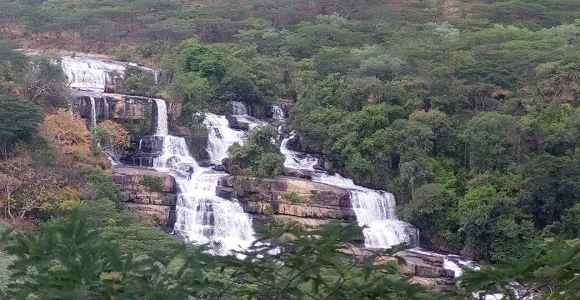
Known as “The Land of Waterfalls,” Mpanga Kipengere Game Reserve was officially established in 2002 and covers 1,574.25 km². The reserve lies at altitudes of 1,080 to 2,858 meters above sea level, offering a cool highland climate and spectacular scenery.
Located across Wanging’ombe and Makete districts in Njombe Region and Mbarali District in Mbeya Region, the reserve forms part of Tanzania’s Southern Highlands. It consists of the Kipengere, Mpanga, Lugala, and Chafukwe Mountains, featuring green peaks, sprawling plains, dramatic valleys, winding rivers, and stunning waterfalls.
The reserve’s main office is situated in Ilembula town along the Njombe–Mbeya road.
Getting There
Mpanga Kipengere can be reached by air or road. The nearest airports are Songwe Airport (Mbeya) and Iringa Airport, both connected to Dar es Salaam. From Mbeya or Njombe town, the reserve is accessible by 4×4 vehicle in approximately 3–5 hours, depending on road conditions.
Kanuth Adventure Safaris arranges private transfers, experienced guides, and all safari logistics to ensure a smooth and comfortable journey. The reserve can also be combined with Kitulo National Park, Lake Nyasa, or Ruaha National Park for a complete Southern Tanzania safari experience.
Why Visit Mpanga Kipengere Game Reserve?
Mpanga Kipengere is ideal for travellers seeking a remote and peaceful safari experience with dramatic scenery and diverse habitats. The reserve offers excellent opportunities for wildlife viewing and birdwatching within a unique highland ecosystem.
Unlike more visited parks, Mpanga Kipengere provides a sense of exclusivity and untouched wilderness, making it perfect for nature lovers, photographers, and adventurers looking to explore beyond Tanzania’s classic safari circuit.
Key Landscape Features
Mountains & Valleys
The region is dominated by the Kipengere and Chafukwe mountain ranges, which create panoramic ridges and dramatic, deep valleys. From elevated viewpoints, visitors can enjoy sweeping vistas across rolling highlands and toward Lake Nyasa. The rugged terrain gives the reserve its wild and untouched character.
Waterfalls & Rivers
Mpanga Kipengere is often called a “land of waterfalls.” Cascading waters such as Kimani, Nyaugenge, and Nyaluliva waterfalls flow through the mountains, especially during the rainy season. At the base of the Kimani River waterfall lies the famous “Love Pool,” a natural pool surrounded by lush greenery that adds to the reserve’s charm.
Vegetation
The habitat is a rich mix of afro-montane forest–grassland mosaics and mid-altitude miombo woodland. This blend of ecosystems supports a wide range of wildlife and bird species while creating constantly changing scenery throughout the reserve.
Unique Flora
The highlands are especially known for delicate endemic orchids and seasonal wildflowers that bloom across the grasslands. During the flowering season, parts of the reserve transform into colourful natural gardens, attracting botanists and nature enthusiasts alike.
Wildlife in Mpanga Kipengere Game Reserve
The reserve supports wildlife adapted to highland environments. Visitors may encounter buffalo, eland, zebra, bushbuck, reedbuck, and several smaller antelope species. Primates can also be spotted in forested areas.
Mpanga Kipengere is particularly rewarding for birdwatchers, with numerous highland and migratory species inhabiting its forests and grasslands. Because the area remains relatively undisturbed, wildlife sightings feel intimate and authentic.
All safaris with Kanuth Adventure Safaris are conducted responsibly, prioritising conservation, safety, and respect for the natural environment.
Safari Activities in Mpanga Kipengere
Hiking & Trail Walks
Mpanga Kipengere offers an intricate network of trails through its “brooding and primaeval” forests, dramatic valleys, and flower-filled highlands. Hikes range from short half-day walks to challenging multi-day expeditions, allowing visitors to fully immerse themselves in the reserve’s pristine landscapes. Along the trails, you’ll encounter waterfalls, rivers, and panoramic mountain views that showcase the region’s natural beauty.
Kimani Waterfall Excursion
A highlight for many visitors is the day hike to Kimani Waterfall, which plunges 70 meters into a picturesque jungle valley. The trek is scenic and rewarding, with lush forest surroundings and vibrant wildflowers. Swimming at the base of the waterfall adds a refreshing and adventurous element, making it a must-do activity in the reserve.
Mountain Biking
For adventure enthusiasts, mountain biking provides a thrilling way to explore the highlands. Trails wind through forested slopes, grasslands, and scenic valleys, offering both exercise and breathtaking views. Riding through the reserve offers a unique perspective on the terrain, unlike walking or driving.
Rock Climbing & Mountaineering
The reserve’s rugged mountains, including the Kipengere and Chafukwe ranges, offer exciting opportunities for climbing. Both beginners and experienced climbers can find suitable routes, from moderate scrambles to more challenging ascents. Climbing allows visitors to reach spectacular viewpoints and fully appreciate the region’s dramatic topography.
Cultural Visits
Visitors can explore the nearby Bena and Safwa communities to gain insight into local traditions, daily life, and agricultural practices. The reserve is also rich in history, with sites such as Chief Mkwawa’s hideout caves, iron smelting locations, and ancient grinding stones, allowing guests to connect with the region’s cultural heritage and past civilisations.
Bird watching
Mpanga Kipengere is a paradise for bird enthusiasts, with a variety of endemic and migratory species inhabiting its forests and grasslands. Guided birdwatching excursions help visitors spot rare highland species and learn about their habitats, behaviour, and ecological importance. Early morning trips are especially rewarding when birds are most active.
Scenic Photography & Nature Exploration
From waterfalls and escarpments to valleys and forests, the reserve offers endless opportunities for photography. Nature exploration allows visitors to appreciate the reserve’s unique flora, geological formations, and rivers while learning about its diverse ecosystems. These experiences provide depth beyond traditional wildlife viewing, making every visit memorable.
Accommodation
Mpanga Kipengere Game Reserve offers an unmatched camping experience for visitors who enjoy going “off the beaten track.” The scenic campsites offer dramatic views and include standard washroom facilities, a shaded kitchen area, a dining area, and a reliable water supply, making them perfect for stargazing and sharing meals in nature.
For those who prefer indoor lodging, a range of accommodation options for different budgets is available in nearby Makambako and Mbeya towns. Kanuth Adventure Safaris can arrange the best option to suit your needs.
Best Time to Visit
Mpanga Kipengere Game Reserve can be visited year-round. However, the best time to explore the reserve is from June to December, when most areas are easily accessible as river water levels decrease. During this period, visitors can comfortably reach many of the reserve’s key attractions and enjoy clearer routes throughout the landscape.
Final Thoughts
Mpanga Kipengere Game Reserve is one of Tanzania’s most scenic and least explored wilderness areas. With dramatic escarpments, a cool highland climate, and diverse wildlife, it offers a unique alternative to busier safari destinations.
For an authentic Southern Tanzania adventure, Kanuth Adventure Safaris invites you to explore Mpanga Kipengere and experience a side of Tanzania few travelers see.
Contact us at info@kanuthadventures.com or via WhatsApp at +255 754 967 544 for personalized guidance and safari packages.


