
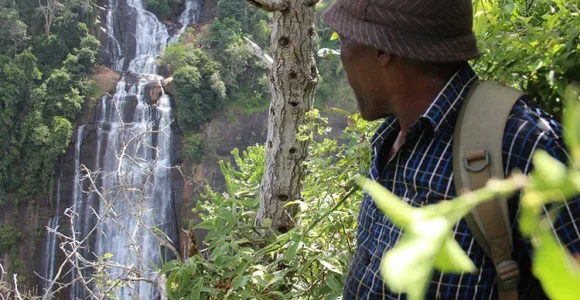
Hidden in the heart of the South Pare Mountains, Chome Nature Reserve is a sanctuary of ancient forest, steep ridges, and breathtaking views, offering a rare glimpse into one of Tanzania’s most remarkable highland ecosystems. Unlike the crowded game parks of the country’s north, Chome invites visitors into a quieter, more intimate encounter with nature, where misty forests, endemic wildlife, and the traditions of the Wapare people combine to create a truly unforgettable experience.
The best time to visit Chome
Dry season (June to October) and (December to February).
When trails are firm, visibility is high, and the forest is at its most inviting. While it may lack the crowds and safari drama of Tanzania’s northern parks, Chome Nature Reserve offers a profound, meditative, and deeply connected experience with both nature and culture. It is a place for hikers, birdwatchers, photographers, and travellers who value immersion over spectacle—a rare treasure in the mountains of East Africa.
Getting to Chome Nature Reserve.
The journey into Chome begins in the town of Same, winding along narrow roads and footpaths that climb steadily into the mountains. As you ascend, the landscape transforms: dry lowlands give way to lush terraced farms, and the air grows cooler and fresher. Villages perched along the slopes offer the first taste of local life, with children walking to school, women tending their banana and maize fields, and the faint sound of traditional music drifting across the valleys. From here, the trails lead into the forest itself, a place that feels almost timeless.
Chome Nature Reserve Wildlife highlight.
Chome Nature Reserve is celebrated for its biodiversity. As part of the Eastern Arc Mountains, one of the world’s oldest mountain ranges, it shelters a variety of flora and fauna found nowhere else. Towering trees draped with moss and lianas create a cathedral-like canopy, while the forest floor teems with ferns, orchids, and wild herbs. Birdwatchers in particular will delight in spotting the South Pare white-eye, an endemic species, along with other forest birds that flit quietly between branches. Monkeys move gracefully above, and the forest hums with the subtle rhythms of wildlife, offering an experience at once peaceful and exhilarating.
Activities at Chome Nature Reserve.
Trekking.
With trails that range from gentle walks through terraced farmland to more challenging hikes up to Shengena Peak, the highest point in the South Pare Mountains. As you ascend, the terrain transitions from cultivated slopes into dense montane forest, where moss-covered trees, streams, and ferns create a peaceful, almost mystical environment.
Birdwatching
Chome lies within the Eastern Arc Mountains, a biodiversity hotspot. Visitors can spot endemic species such as the South Pare white-eye, along with numerous other forest and highland birds. For wildlife enthusiasts, the forest also shelters monkeys, small antelopes, and an array of butterflies and insects, making even a slow, quiet walk richly rewarding.
Cultural engagement
Cultural encounters form an essential part of the Chome experience. Treks often begin in local villages where guides introduce visitors to the Wapare people, one of Tanzania’s oldest Bantu communities. Travellers can explore traditional irrigation systems, stone terraces, and sacred forest sites used historically for rituals. Along the way, it is common to meet local farmers, share stories, or participate in small village activities, creating a genuine connection with the people who have lived in harmony with these mountains for centuries.
Nature photography.
Naturally, a highlight here, as the combination of misty forest, terraced slopes, and panoramic mountain views provides endless opportunities for stunning landscape shots. Sunrise and sunset, primarily from higher trails like Shengena Peak, are particularly spectacular, painting the mountains and valleys in golden light.
Walking safari
For those seeking a slower, more meditative experience, Chome offers tranquil forest walks along streams and shaded glades, perfect for reflecting, birdwatching, or simply enjoying the serenity of one of Tanzania’s less-travelled natural treasures.
Wildlife observation
Chome is home to the South Pare white-eye, an endemic bird species, as well as other forest birds, monkeys, small antelopes, and a wide variety of insects and butterflies. These species attract birdwatchers and nature enthusiasts, providing excellent opportunities for wildlife observation and photography.
The distinctive features of Chome Nature Reserve.
Pristine montane forest within the Eastern Arc Mountains.
One of the world’s oldest and most biodiverse mountain ranges. What sets Chome apart is the combination of ancient, untouched forest ecosystems and endemic species. The reserve is home to rare and specialised flora and fauna, including the South Pare white-eye, a bird found only in this part of Tanzania, as well as numerous orchids, ferns, and other plants that thrive in the calm, misty environment.
Blend of natural and cultural heritage.
The forest contains sacred groves that the Wapare people historically used for rituals and community gatherings, integrating centuries-old traditions with the surrounding wilderness. The transition from terraced farmlands into dense, mystical forest, and then to the sweeping views from Shengena Peak, creates a layered experience of agriculture, forest, and highland panorama rarely found elsewhere.
Peaceful remoteness.
Finally, Chome’s tranquil, remote atmosphere is a unique characteristic in its own right. Unlike Tanzania’s major national parks, the reserve is largely untouched by tourism, offering hikers, birdwatchers, and nature lovers an intimate, immersive experience focused on quiet exploration, endemic wildlife, and cultural connection rather than crowds or safari spectacle.
Where to stay at Chome Nature Reserve.
Accommodation near Chome tends to be modest but welcoming, ranging from community-run guesthouses to small mountain lodges, many of which are perched on ridges with spectacular views of the surrounding hills. Nights are calm and quiet, filled with the distant calls of wildlife and the whisper of wind through the forest. Meals are often freshly prepared from local ingredients, emphasising seasonal vegetables, bananas, maize, and sometimes newly caught fish from nearby streams.
Planning your safari to Chome Nature Reserve.
To make the most of your journey, plan your visit during the dry months, choose accommodations that place you close to the forest trails, and design an itinerary that balances hiking, wildlife spotting, and cultural immersion. At Kanuth Adventure Safari, we guide you every step of the way, helping you select the perfect travel dates, trekking routes, and lodging to match your sense of adventure and budget. Ready to step off the beaten path and explore the hidden treasures of Chome Nature Reserve? Start your adventure today by contacting us, calling us on +255 754 967544 or visiting www.kanuthadventures.com.


